




OEM School Scissors: Safety and Style for Classrooms
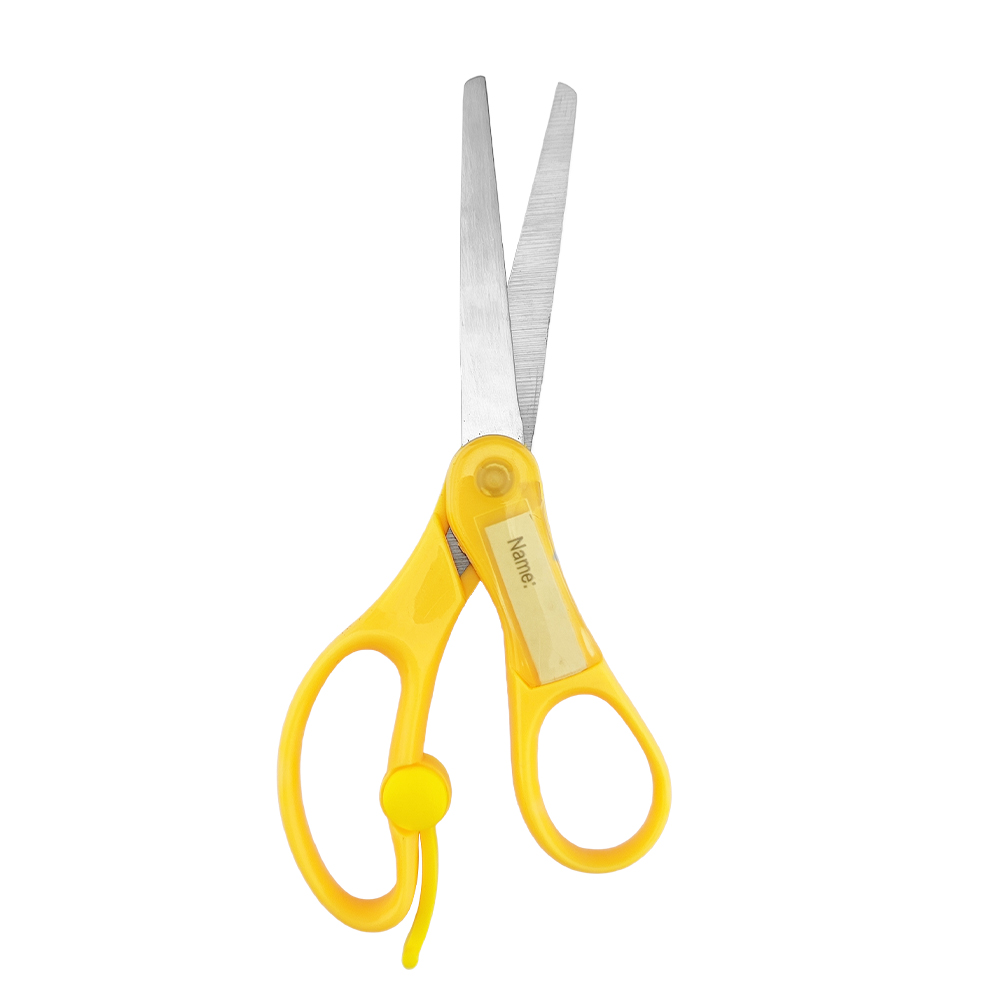
Choosing school scissors is not only a matter of color or price. For classrooms, art programs, stationery distributors, and education supply buyers, the right product needs to support safe use, daily handling, easy identification, and consistent quality across bulk orders. The original product presentation highlights several clear features: a 6 inch student scissors format, a vibrant yellow ergonomic handle, stainless steel blades, a blunt tip, and a name tag holder for personalization. Those details make the product especially relevant for young learners and organized classroom environments.

This guide rewrites the topic from a sourcing and product-selection perspective. It explains what buyers should evaluate before ordering OEM school scissors, how teachers may use them in real classrooms, and which commercial details should be confirmed directly with the supplier before purchase.
Key Takeaways
- OEM school scissors should balance child-friendly safety, comfortable handling, and reliable cutting for common classroom materials.
- The explicit product features include a 6 inch student size, yellow ergonomic handle, stainless steel blades, blunt tip, and name tag holder.
- Personalized name card scissors can reduce mix-ups in shared classrooms and encourage children to care for their own supplies.
- B2B buyers should ask suppliers about packaging, customization options, inspection standards, production lead times, and order requirements.
- No material grade, certification, MOQ, capacity, or compliance claim should be assumed unless the supplier provides written confirmation.
Why School Scissors Need Different Selection Criteria
Scissors used by adults in offices are not the same as scissors used by children in schools. In a classroom, the user may still be developing hand strength, fine motor control, and safe tool habits. That makes handle comfort, blade tip shape, size, and ownership labeling important product considerations.
The featured OEM school scissors are described as being designed for little hands, with a 6 inch size and ergonomic handle. For school procurement teams, that size category can be a practical middle ground: large enough for basic paper craft activities, but still manageable for students. The blunt tip is also a key classroom feature because it helps reduce the chance of accidental pokes during use, storage, and sharing.
Product Features to Review Before Bulk Sourcing
When evaluating school factory scissors, buyers should separate visible features from details that require supplier confirmation. The visible and stated features in the source are useful starting points, but a purchase decision should also include testing samples and asking precise questions.
| Selection Point | What the Source States | What Buyers Should Confirm |
|---|---|---|
| Size | 6 inch student scissors | Exact total length, blade length, and suitable age guidance |
| Handle | Yellow ergonomic handle for small hands | Available colors, comfort during repeated use, and left/right-hand options if needed |
| Blade | Durable stainless steel blades | Material grade, sharpness standard, corrosion resistance, and sample performance |
| Tip design | Blunt tip for child-friendly use | Tip radius, intended age group, and any applicable safety documentation |
| Identification | Name tag holder for personalization | Name card size, replacement label options, and printing or branding choices |
| OEM sourcing | Positioned as school factory scissors | MOQ, lead time, packaging, inspection process, and customization scope |
Safety and Comfort in Classroom Use
Safety is often the first concern for parents, teachers, and buyers serving education channels. A blunt tip does not remove the need for supervision, but it is a sensible design choice for young learners. Students may pass scissors across tables, place them in supply bins, or carry them between workstations. A rounded point can make those ordinary classroom movements less risky than a pointed craft scissor.
Comfort also affects safe use. If a handle is too large, too narrow, or difficult to grip, a child may compensate by holding the scissors awkwardly. The source describes the handle as ergonomic and sized for small hands, which is relevant for extended art projects and repeated cutting tasks. Before placing a bulk order, buyers should request samples and test them with common classroom materials such as paper, thin card, and yarn, if those are part of the intended use.
The Value of Personalized Name Card Scissors
The name tag holder is a simple but useful feature. In many classrooms, supplies are shared, moved, misplaced, or mixed between desks. Personalized name card scissors help teachers assign tools to students and help children recognize their own supplies quickly.
This feature is not only about convenience. It can support classroom routines. When students can identify their own scissors, they may be more likely to return them to the correct tray, keep them clean, and report if they are damaged. For distributors and school supply buyers, this detail can be a meaningful product difference when compared with plain scissors without a labeling area.
OEM and Wholesale Questions Buyers Should Ask
Because this topic concerns OEM school scissors and school factory scissors, sourcing questions are essential. Buyers should avoid assuming commercial terms or compliance details from a product description alone. Instead, ask the supplier direct questions and keep written records of answers.
- What handle colors, label designs, and packaging formats are available for OEM orders?
- Can the supplier provide pre-production samples before mass production?
- What is the minimum order quantity, and does it change with customized packaging or color?
- What inspection steps are used for blade alignment, handle fit, tip shape, and cutting performance?
- What is the expected production lead time for standard and customized orders?
- Can the supplier provide documents related to material, safety, or market requirements for the buyer's destination country?
These questions do not imply that any specific certification, test result, or capacity exists. They help buyers identify whether a supplier can meet the needs of schools, wholesalers, retailers, or education procurement programs.
Practical Use and Care Guidance for Schools
Even well-designed scissors need good classroom habits. Teachers can introduce scissors as learning tools rather than general toys, especially for younger students. A short demonstration on passing scissors handle-first, cutting only approved materials, and returning them to a storage container can reduce misuse.
Schools should also check scissors periodically. Look for loose pivots, bent blades, cracked handles, missing name cards, or residue that affects cutting. If a pair no longer cuts paper cleanly or no longer closes properly, it should be removed from classroom use. For hygiene and organization, labeled storage trays or student supply boxes work well with name card scissors.
FAQ
What makes these OEM school scissors suitable for classrooms?
The source highlights a 6 inch student size, ergonomic yellow handle, stainless steel blades, blunt tip, and name tag holder. These features are relevant for young learners and organized classroom supply management.
Are blunt tip scissors completely safe for children?
No scissors should be treated as risk-free. A blunt tip can help reduce accidental pokes, but children still need supervision, clear rules, and age-appropriate instruction.
Can the name tag holder be used for classroom organization?
Yes. The name tag holder supports personalization, making it easier to assign scissors to students and reduce mix-ups in busy classrooms.
What should B2B buyers confirm before ordering?
Buyers should confirm MOQ, lead time, packaging, customization options, sample availability, inspection process, material details, and any required documentation for the target market.
Do these scissors have certified material grades or safety approvals?
The source mentions stainless steel blades but does not provide a material grade, certification, or test result. Buyers should request written confirmation from the supplier if those details are required.
