





OEM Scissors Manufacturer: How to Source Kid, Student, and School Craft Scissors
Choosing an OEM scissors manufacturer is not only about finding a cutting tool that looks acceptable in a catalog. For school, stationery, craft, and educational supply buyers, the real goal is to select scissors that are appropriate for the intended age group, comfortable in daily use, consistent across production, and packaged for the target channel. Kid scissors, student scissors, and school craft scissors may appear similar, but buyers should evaluate them differently because the users, cutting tasks, and safety expectations can vary.
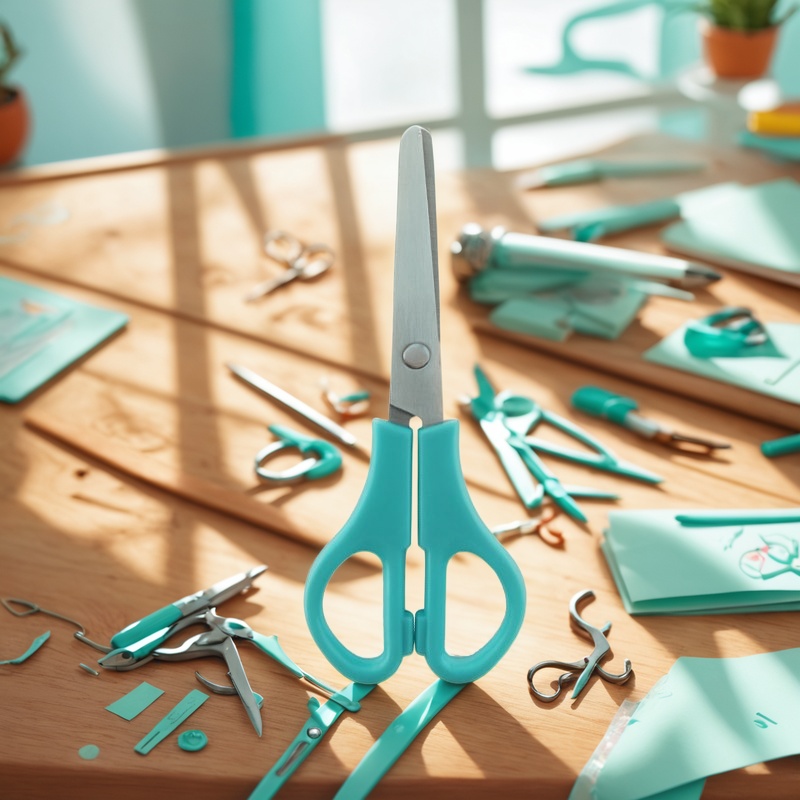
The original product information highlights several useful points: kid scissors with rounded-tip stainless steel blades, ergonomic turquoise handles, a pivot design for smooth operation, and ambidextrous handles for broader classroom use. These are valuable starting points, but B2B buyers should still confirm exact specifications, compliance needs, packaging details, and sample performance before placing an order.
Key Takeaways
- Match scissors to the user group: younger children, older students, or mixed classroom craft use.
- Ask the supplier to confirm blade material, tip style, handle design, and sample cutting performance.
- Do not rely on appearance alone; test comfort, pivot smoothness, durability, and packaging quality.
- For OEM orders, clarify branding, color options, labeling, carton packing, lead time, and inspection standards.
What an OEM Scissors Manufacturer Should Help You Define
An OEM scissors manufacturer should help translate a buyer’s market requirement into a practical product specification. For example, a school distributor may need blunt or rounded tips for younger users, while a stationery brand may need student scissors that feel more efficient for homework and art projects. A craft kit supplier may care more about consistent cutting on paper, cards, and lightweight craft materials.
Before discussing price, create a written specification sheet. Include the intended user age range, blade length or total product size if required, handle color, handle shape, packaging style, logo placement, barcode needs, and target sales channel. If any regulatory or school procurement requirement applies in your market, ask the supplier what documentation can be provided and verify it independently. Avoid assuming that a product automatically meets a standard unless the supplier provides relevant proof.
Kid Scissors: Safety and Comfort Come First
Kid scissors are designed for young users who are still developing hand control. The source article explicitly notes rounded-tip stainless steel blades and ergonomic turquoise handles. For buyers, the rounded tip is important because it reduces the risk associated with accidental poking during classroom or home craft use. Stainless steel blades are commonly selected for durability and cutting consistency, but buyers should still ask the supplier to confirm the exact blade specification and finish.
Comfort matters as much as the blade. Small hands need a handle opening that is easy to grip without forcing the wrist into an awkward position. If the product is intended for preschools, primary schools, or beginner craft kits, request samples and test them with the actual material range: standard paper, construction paper, thin card, and common classroom craft sheets. A safe-looking scissor that cannot cut cleanly may frustrate children and lead them to use excessive force.
Student Scissors: Balancing Control and Efficiency
Student scissors are generally intended for older children and teens who need more cutting efficiency for worksheets, art projects, and daily classroom tasks. The original article mentions a pivot design for smooth operation and ambidextrous handles. These details are especially relevant for school buyers because a smoother pivot can reduce hand fatigue during repeated cutting, and ambidextrous handles can simplify purchasing for classrooms with both right- and left-handed users.
When sourcing student scissors wholesale, ask how the pivot is assembled and how consistency is controlled during production. A pivot that is too tight can make cutting tiring; one that is too loose can reduce precision. Buyers should also check whether the handle shape remains comfortable during longer use. If the scissors will be part of a back-to-school range, request packaging samples as well as loose product samples, because shelf presentation and barcode accuracy can affect retail performance.
School Craft Scissors for Classroom and Kit Use
School craft scissors are often purchased in larger quantities for classrooms, activity centers, art programs, and DIY craft kits. The source content notes blunt tips and reliable performance on various materials, including paper and craft supplies. If the scissors are expected to cut fabric or thicker materials, buyers should verify this through sample testing rather than relying on a broad product description.
For group activities, consistency matters. Teachers and facilitators need scissors that behave similarly from one unit to another, especially when several students are cutting the same template. Buyers should ask whether the supplier can provide pre-production samples, production samples, and final inspection reports based on agreed criteria. The criteria may include blade alignment, handle defects, pivot smoothness, appearance, packing count, and carton marking.
Comparison Checklist for Sourcing Decisions
| Product type | Best-fit users | Features to verify | Questions to ask the supplier |
|---|---|---|---|
| Kid scissors | Younger children, beginner craft users | Rounded tips, comfortable small-hand grip, clean paper cutting | What is the blade material? Can you provide samples for age-appropriate testing? |
| Student scissors | Older children, teens, school use | Smooth pivot, ambidextrous handle, cutting control | How is pivot tension checked during production? Are handle colors customizable? |
| School craft scissors | Classrooms, activity kits, art programs | Blunt tips, batch consistency, packaging durability | What materials are suitable for cutting? What inspection criteria are used? |
| OEM branded scissors | Retail brands, distributors, private label buyers | Logo placement, color matching, labeling, carton marks | What files are needed for artwork? Can you confirm MOQ, lead time, and packing options? |
OEM Customization Points to Confirm
OEM scissors sourcing usually involves more than choosing a stock item. Buyers may need a custom handle color, branded packaging, printed logos, assortments, or a specific carton configuration. Because these commercial details can differ by order, they should be confirmed directly with the manufacturer rather than assumed.
- Product specification: Confirm blade material, blade finish, tip style, total size, handle material, and handle color.
- Branding: Ask about logo methods, artwork file formats, color matching, and approval samples.
- Packaging: Compare bulk pack, blister card, paper card, display box, or kit-ready packing if available.
- Quality control: Define acceptable appearance, cutting performance, pivot movement, and packing tolerances.
- Commercial terms: Ask for MOQ, sample cost, production lead time, payment terms, and shipping carton details.
How to Evaluate Samples Before Ordering
Sample testing should be practical and repeatable. Use the same materials your customers will use, such as copy paper, colored paper, construction paper, lightweight card, or craft sheets. Cut straight lines, curves, and small shapes. Note whether the blades catch, fold the paper, or require too much pressure. Check whether the handle remains comfortable after several minutes of use.
For school and child-focused products, also inspect the tips, edges, and overall finish carefully. Look for burrs, sharp handle seams, loose pivots, inconsistent color, or packaging defects. If the scissors will be sold under your brand, keep an approved sample and compare it with mass production before shipment.
Practical FAQ
What is the difference between kid scissors and student scissors?
Kid scissors usually prioritize rounded or blunt tips, smaller handles, and beginner-friendly control. Student scissors are often designed for older users who need smoother cutting and more efficiency for school projects.
Can an OEM scissors manufacturer make custom colors or packaging?
Many OEM suppliers can discuss customization, but available options depend on the product, order quantity, tooling, and packaging method. Buyers should ask for confirmed details, artwork requirements, and approval samples.
Should I request stainless steel blades?
The original product information mentions stainless steel blades for kid scissors. If this is important for your order, ask the supplier to confirm the exact blade material and provide samples for testing.
How do I reduce sourcing risk for school scissors?
Create a clear specification, test samples, confirm compliance needs for your market, approve packaging artwork, and define inspection standards before mass production.
What materials should school craft scissors cut?
At minimum, test the materials your customers expect to use, such as paper and common craft supplies. If you plan to market them for fabric or thicker materials, verify performance through sample testing first.
