




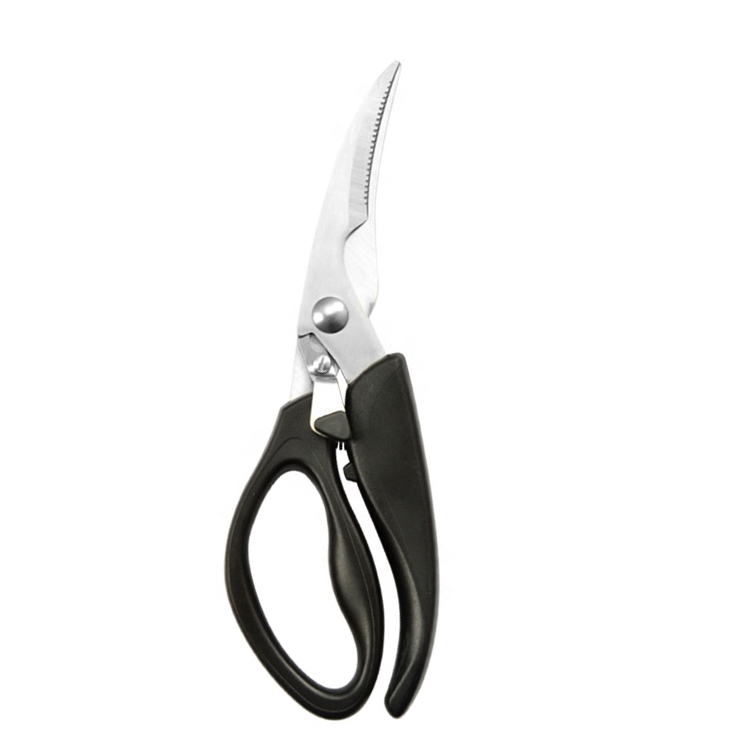
OEM Poultry Scissors Manufacturer: Sourcing Kitchen Shears for Wholesale
For retailers, kitchenware brands, distributors and promotional product buyers, poultry scissors are a practical item with steady everyday demand. They are used for trimming meat, cutting poultry joints, opening packaging, snipping herbs and handling other food preparation tasks where a knife may be less convenient. Choosing an OEM poultry scissors manufacturer is therefore not only about finding a product that looks good in a catalog. It is about matching cutting performance, user comfort, safety, packaging and quality control to the needs of your market.
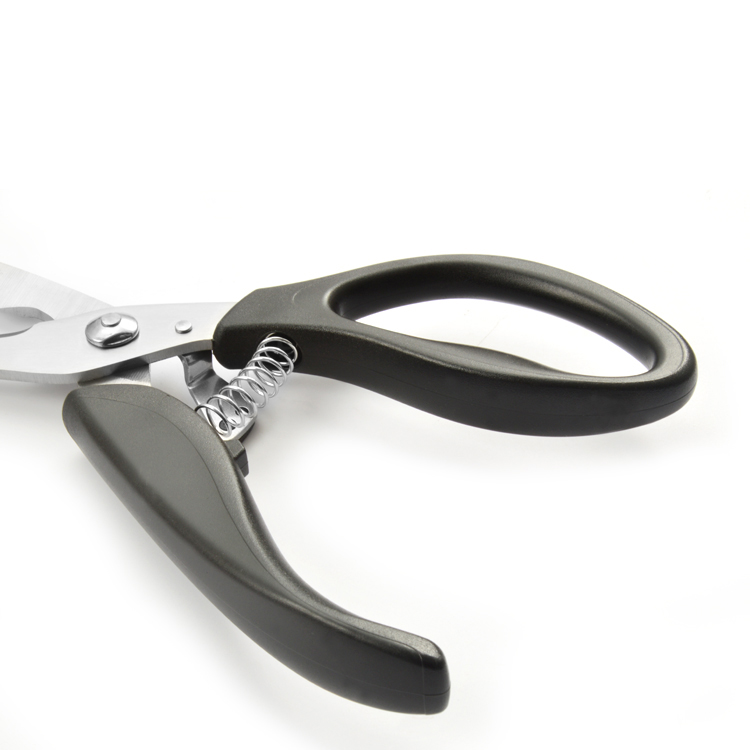
The original Bonet Houseware article described a kitchen scissors product with stainless steel blades, one smooth blade and one serrated blade, an integrated spring mechanism, ergonomic soft-grip handles and a latch lock for storage. Those are useful product features to evaluate when developing or sourcing poultry shears. This guide explains how B2B buyers can assess them, what to ask a supplier, and how to avoid common sourcing mistakes.
Key Takeaways
- OEM poultry scissors should be evaluated for cutting performance, grip comfort, safety locking and cleaning convenience.
- Do not assume material grade, compliance, MOQ, lead time or packaging options; confirm each point with the supplier.
- Samples should be tested on realistic kitchen tasks such as poultry joints, meat trimming, herbs and packaging.
- A clear specification sheet helps reduce misunderstandings before quotation, sampling and production.
What Makes Poultry Scissors Different from General Kitchen Scissors?
General kitchen scissors can handle many light tasks, but poultry scissors need additional strength and control. Cutting through chicken skin, cartilage and small joints requires a blade geometry that grips the food rather than sliding away from it. A serrated blade can help hold slippery surfaces, while a smooth blade can support cleaner slicing. The product described in the source article uses one smooth and one serrated stainless steel blade, which is a common configuration for kitchen shears intended for mixed food preparation tasks.
For a buyer, the important question is not simply whether the scissors are called poultry shears. Ask how the blade design supports the intended use. Will the item be marketed for home cooking, butcher-style preparation, restaurant kitchens, gift sets or supermarket private label? Each channel may require a different balance of blade thickness, handle size, packaging style and price positioning.
Core Product Features to Evaluate
When comparing OEM kitchen scissors, build your evaluation around measurable or observable features. The following points can be included in your supplier inquiry and sample inspection process:
- Blade construction: Confirm the stainless steel type, blade thickness, hardness target and edge finishing process instead of assuming a grade.
- Blade pattern: Compare smooth, serrated or mixed blade designs based on how the scissors grip poultry skin and cut herbs or packaging.
- Spring mechanism: A spring-assisted design can reduce hand strain during repeated cutting, but buyers should test durability and user feel.
- Handle comfort: Ergonomic soft-grip handles can improve control, especially when hands are wet or users are cutting tougher foods.
- Safety lock: A latch lock helps keep blades closed in storage. Check whether it is easy to operate but secure enough for normal handling.
- Cleaning design: Ask whether the scissors separate for cleaning, whether there are food traps around the pivot, and what care instructions are recommended.
Comparison and Sourcing Checklist
A structured checklist makes supplier comparison easier and reduces the risk of selecting a product based only on appearance. Use the table below when reviewing quotations or samples from an OEM poultry scissors manufacturer.
| Evaluation Point | What to Check | Questions to Ask the Supplier |
|---|---|---|
| Blade performance | Cutting through poultry skin, cartilage, herbs and packaging | What blade material, thickness and edge process are used? |
| Grip and ergonomics | Comfort, control and slip resistance during wet handling | Can handle color, texture or material be customized? |
| Spring action | Smooth opening, reduced hand fatigue and stable alignment | How is the spring tested during quality inspection? |
| Safety lock | Secure closure when stored in a drawer or retail package | Is the latch design adjustable or fixed for this model? |
| Packaging | Retail display, barcode area, instructions and branding space | What packaging formats are available for OEM orders? |
| Quality control | Sharpness, pivot tightness, finish, alignment and visual defects | What inspections are performed before shipment? |
OEM Customization: What Buyers Should Clarify Early
OEM sourcing often involves more than adding a logo. Depending on the supplier’s available tooling and production process, customization may include handle color, grip texture, blade finish, packaging artwork, instruction sheets or bundle configurations. However, buyers should not assume every option is available for every model.
Before requesting a quotation, prepare a basic product brief. Include target market, estimated order quantity, preferred packaging, branding requirements, intended retail channel and any required documents for your country or customer. If you need specific testing, labeling or compliance support, ask the manufacturer directly what they can provide and what must be arranged by the buyer or a third-party lab.
Sample Testing for Poultry Shears
Samples should be tested in conditions close to real use. A pair of shears may feel sharp on paper but perform poorly on slippery poultry skin. Create a simple test plan and use it consistently across suppliers. For example, test how the scissors cut raw poultry joints, trim excess fat, snip herbs, cut thin plastic packaging and remain comfortable after repeated open-close motions.
Also inspect the pivot. If it is too loose, the blades may separate and tear instead of cutting cleanly. If it is too tight, the user may experience fatigue. Check whether the latch lock stays closed during light shaking and whether the handles remain comfortable for different hand sizes. Document the results with photos or notes so that feedback to the supplier is specific.
Quality, Safety and Documentation Questions
Because kitchen scissors contact food preparation tasks, B2B buyers should be careful with product claims. Do not rely on assumptions about food-contact suitability, dishwasher use, corrosion resistance or regulatory compliance. Ask the supplier to state what the product is designed for and what documentation is available.
Useful questions include: What is the confirmed blade material? Are care instructions available? Is the item intended for dishwasher cleaning or hand washing only? What tests are performed for sharpness, opening and closing action, handle attachment and lock function? Can the supplier provide inspection reports, product photos before shipment or third-party testing if required by the buyer? Clear answers help protect your brand and reduce disputes.
Packaging and Retail Presentation
For wholesale and private label programs, packaging should communicate use and care without making unsupported claims. Poultry scissors can be packed for hanging retail display, boxed kitchenware sets, online fulfillment or promotional kits. The best option depends on your sales channel and damage-risk tolerance.
Ask whether packaging can include safe-use instructions, cleaning guidance, barcode placement, country-of-origin marking and multilingual text if needed. If the scissors have a latch lock or spring mechanism, packaging should hold the product securely so the blades do not open during transit. For e-commerce, consider whether the package protects the blade tips and prevents movement inside the carton.
Practical FAQ
What should I ask an OEM poultry scissors manufacturer first?
Start with the blade material, available customization, sample policy, packaging options, inspection process, lead time estimate and any documentation your market requires. Ask for details instead of relying on generic product descriptions.
Are serrated blades better for poultry scissors?
Serrated blades can help grip slippery poultry skin and meat. The source product uses one smooth and one serrated stainless steel blade, which can balance grip and clean cutting. Buyers should still test samples on real food preparation tasks.
Is a spring mechanism necessary?
It is not always necessary, but it can reduce hand strain during repeated cutting. If the product includes a spring, test whether it feels smooth, stays aligned and remains comfortable after repeated use.
Can I claim the scissors are dishwasher safe?
Only make that claim if the supplier confirms it and you have suitable evidence for your market. Otherwise, provide conservative care instructions and ask the manufacturer what cleaning method is recommended.
How do I compare quotations from different suppliers?
Compare the full specification, not just unit price. Review blade material, handle design, lock type, packaging, quality checks, customization scope, sample results and shipping terms before choosing a supplier.
Final Sourcing Advice
A good OEM poultry scissors program begins with a clear product brief and realistic testing. Features such as stainless steel blades, a smooth-and-serrated blade combination, spring-assisted action, ergonomic soft-grip handles and a latch lock can all add value when they match your target users. The right supplier conversation should turn those features into confirmed specifications, documented quality expectations and packaging that fits your sales channel.
For wholesale buyers, the safest approach is to request samples, test them against everyday kitchen tasks, confirm all commercial and compliance details in writing, and avoid unsupported claims. That process helps you source poultry shears that are practical for customers and manageable for your supply chain.
