




OEM Stationery Scissors: Practical Sourcing Guide for Buyers
OEM stationery scissors are small products, but they can have a large impact on a school, office, craft, or retail stationery program. Buyers are not only choosing a cutting tool; they are selecting a product that will be handled frequently, judged quickly, and compared with many alternatives on shelf or in procurement lists. A good sourcing process should balance cutting performance, comfort, appearance, packaging, and supplier reliability.
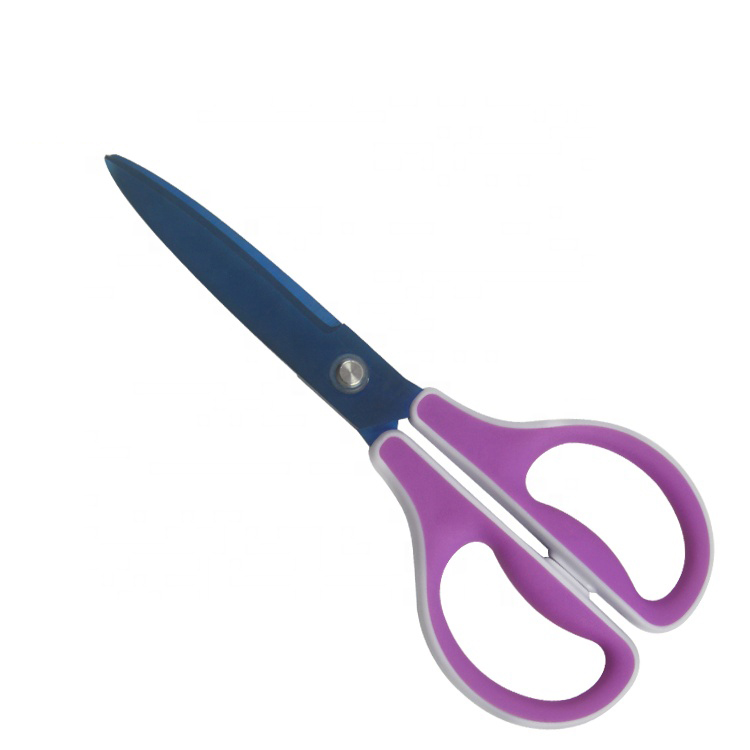
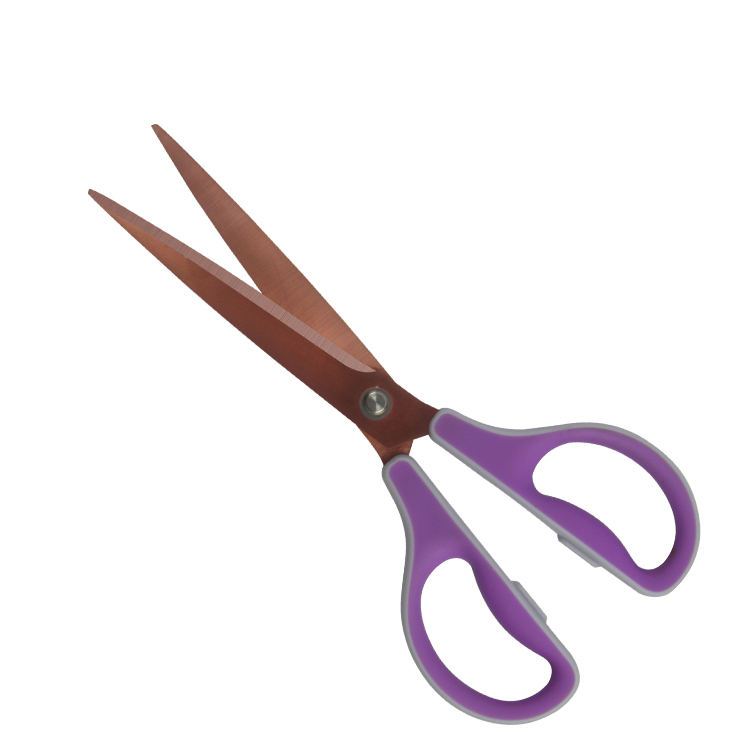
The original product description highlights a copper-hued blade finish and purple ergonomic grips. Those visible design details can help a stationery scissor stand out, but B2B buyers should also look beyond color. Before confirming an OEM project, clarify what materials are used, how the finish is applied, what customization is possible, and which quality checks can be documented by the supplier.
Key Takeaways
- OEM stationery scissors should be evaluated for cutting quality, handle comfort, appearance, packaging, and repeat-order consistency.
- Visible design options such as blade finish and handle color are useful, but buyers should request written specifications before approval.
- For a China stationery scissors supplier, ask direct questions about customization scope, samples, lead time, quality control, and export documentation.
- A pilot order or pre-production sample review can reduce risk before committing to a larger retail or institutional program.
What Buyers Should Define Before Sourcing
Start by defining the use case. Stationery scissors for office desks may prioritize clean paper cutting and a professional look. School scissors may require careful attention to size, tip shape, labeling, and age suitability. Craft scissors may need comfort for longer use and dependable alignment. Retail private-label programs may focus on visual appeal, barcode labeling, pack format, and assortment planning.
Buyers should prepare a short product brief before contacting a supplier. Include the target market, expected users, blade length or overall size if known, preferred handle color, packaging style, branding position, estimated order quantity, and any market requirements that must be met. If any detail is uncertain, mark it as a question instead of assuming the factory will choose correctly.
Design and Ergonomics: More Than Appearance
The current product description mentions copper-hued blades and purple ergonomic grips. These are useful styling features for a stationery category where many products look similar. However, design should support daily use. Handle openings should fit the intended user group, edges should not feel sharp against the fingers, and the grip material or finish should provide control without creating discomfort during repeated cutting.
For OEM development, ask whether handle colors can be matched to a brand palette and whether the blade finish is decorative, protective, or both. If a supplier offers multiple finishes, request physical samples rather than relying only on photos. Lighting, screen color, and image editing can make metallic finishes appear different from the final product.
Comparison Checklist for OEM Stationery Scissors
| Decision Area | What to Check | Questions to Ask the Supplier |
|---|---|---|
| Cutting Performance | Blade alignment, smooth opening and closing, paper cutting consistency | Can you provide samples from current production for testing? |
| Handle Comfort | Grip shape, finger space, surface feel, right-hand or left-hand suitability | Are different handle molds or sizes available for OEM projects? |
| Appearance | Blade finish, handle color, logo position, color consistency | Can colors be matched to a Pantone reference or approved sample? |
| Packaging | Retail card, blister, bulk pack, barcode, instructions, carton marking | What packaging formats do you currently support? |
| Quality Control | Inspection steps, defect standards, sample retention, batch traceability | What checks are performed before shipment, and can reports be shared? |
| Commercial Terms | MOQ, lead time, payment terms, tooling needs, reorder process | What changes affect MOQ, price, tooling cost, or production schedule? |
Working With a China Stationery Scissors Supplier
Sourcing stationery scissors in China can offer a wide range of customization choices, but the buyer should manage the process with clear documents. Do not rely only on a product photo or short message. Ask for a specification sheet that lists size, blade material, handle material, finish, packaging, carton details, and labeling requirements. If the supplier cannot confirm a detail, treat it as open until it is documented.
For OEM branding, confirm where the logo can be placed: on the handle, blade, packaging, insert card, carton, or user instructions. Each option may involve different costs, lead times, or minimum order quantities. If packaging artwork is needed, request the dieline early and confirm who is responsible for barcode generation, warning text, translation, and final print approval.
Sample Review and Quality Control
A sample should be reviewed like a working product, not only as a visual reference. Test how the scissors cut standard office paper, thicker paper, envelopes, and light craft materials if those uses are relevant. Check whether the blades meet evenly, whether the screw or pivot feels stable, and whether the handles remain comfortable after repeated use. Compare several samples from the same batch if available, because consistency matters for wholesale and retail programs.
Before mass production, consider approving a pre-production sample that includes the final handle color, blade finish, logo, and packaging. Keep one approved sample with the buyer and ask the supplier to retain one as well. This creates a practical reference if there is a dispute about color, finish, packaging, or workmanship after shipment.
Packaging and Retail Presentation
Stationery scissors are often sold in competitive retail aisles or online listings where the first impression matters. Packaging should protect the product, show the design clearly, and communicate the intended use. For office or school programs, simple and durable packaging may be more important than a premium look. For craft or giftable stationery ranges, color coordination and display format may have more influence.
Buyers should also think about logistics. Bulky packaging can increase carton volume and freight cost. Fragile packaging can create returns or shelf damage. Ask the supplier for carton dimensions, gross weight, inner pack quantities, and drop-test or transport handling information if available. Do not assume these details are standard across factories.
Supplier Questions Before Placing an OEM Order
- What sizes, handle styles, blade finishes, and packaging formats are already available?
- Which parts can be customized without new tooling, and which changes require tooling?
- What is the MOQ for each customization option, including color, logo, and packaging?
- How long do samples, pre-production approval, mass production, and shipment preparation usually take?
- What quality checks are performed during production and before shipment?
- Can the supplier provide product photos, packaging proofs, and inspection reports before dispatch?
Practical FAQ
What are OEM stationery scissors?
OEM stationery scissors are scissors produced for a buyer's brand, packaging, or specifications. The project may use an existing supplier design with custom colors and packaging, or it may require more detailed product development.
Can handle color and blade finish be customized?
Often they can, but the available options depend on the supplier's materials, production process, tooling, and order quantity. Buyers should request samples and written confirmation before approving a program.
What should I test in a stationery scissor sample?
Test cutting smoothness, blade alignment, handle comfort, opening and closing action, finish consistency, logo placement, and packaging durability. If the product is for school or retail use, review any market-specific labeling requirements with a qualified compliance adviser.
Should I choose the lowest-priced supplier?
Price matters, but it should be compared with quality control, consistency, communication, packaging accuracy, and after-sales support. A lower unit cost can become expensive if the product has high defect rates or packaging errors.
What information should I give a supplier first?
Provide the target market, intended users, expected order quantity, preferred design, branding needs, packaging format, destination country, and any known quality or documentation requirements. Clear briefs lead to more useful quotations.
Conclusion
OEM stationery scissors are best sourced through a structured process. The copper-hued blade finish and purple ergonomic grips shown in the original product image may provide a distinctive starting point, but successful procurement depends on more than appearance. Buyers should define the use case, request detailed specifications, test samples carefully, and ask practical supplier questions before committing to production. This approach helps create custom office, school, craft, or retail scissors that are attractive, usable, and aligned with the buyer's brand requirements.
