




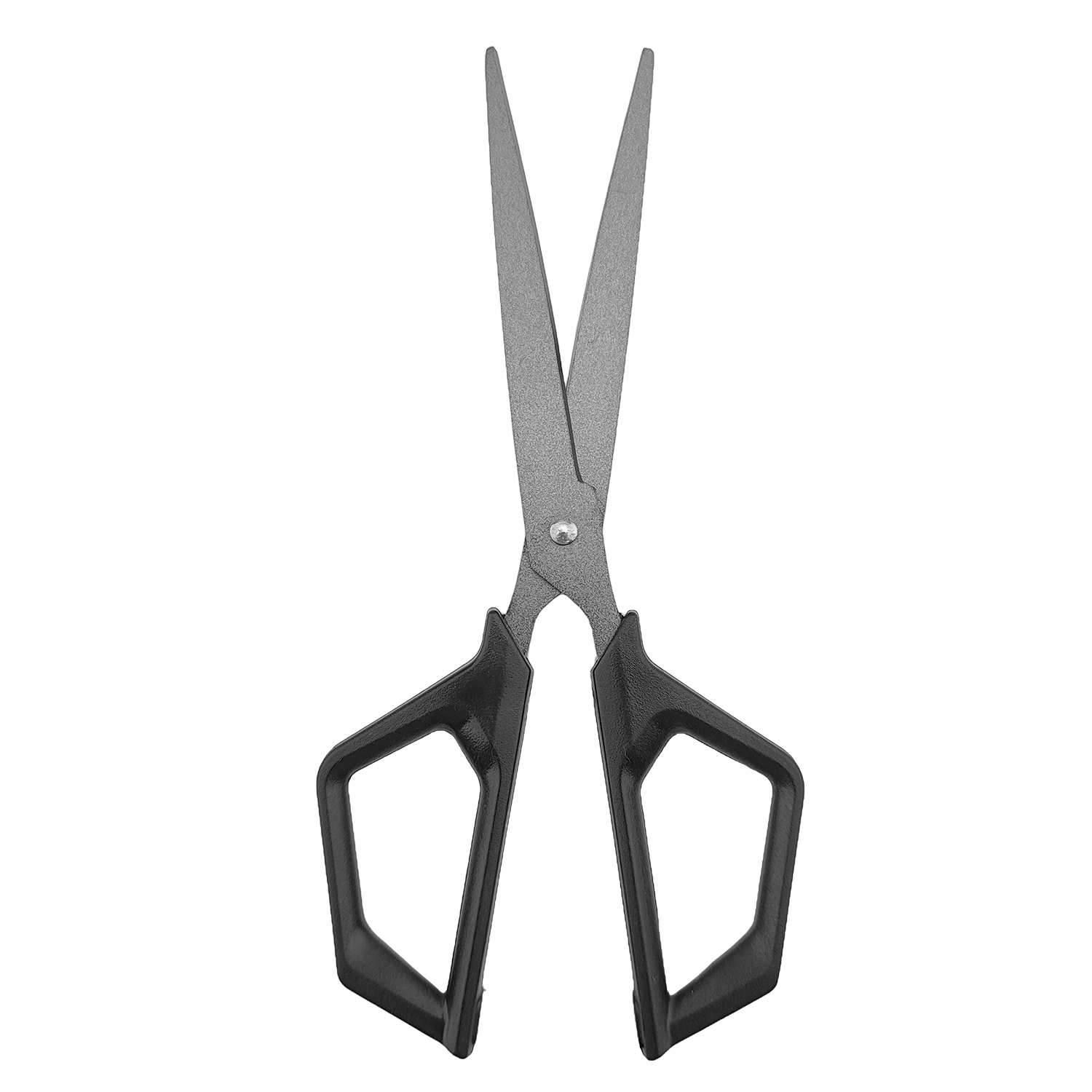
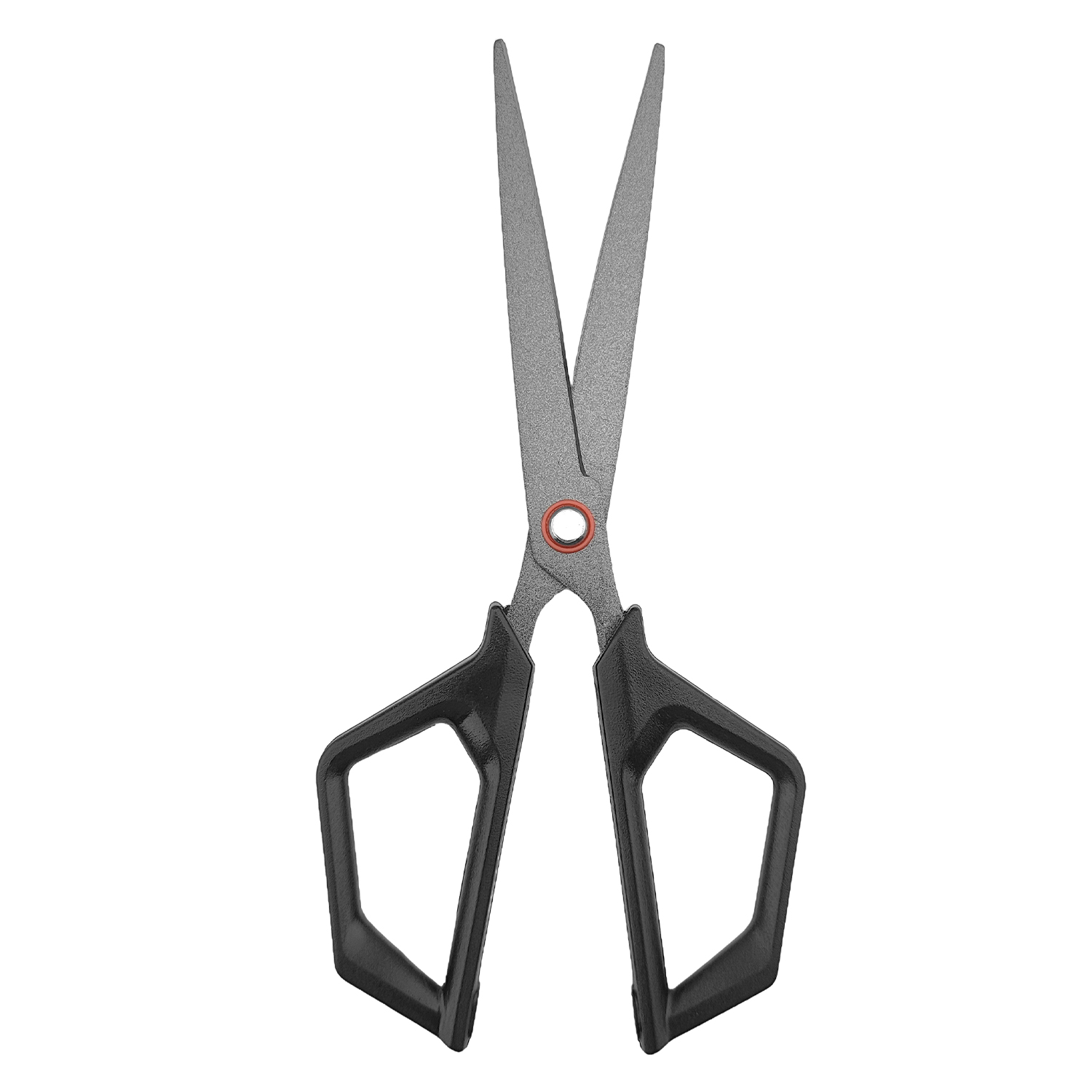
OEM Stationery Scissors: A Practical Sourcing Guide for Brand Buyers
OEM stationery scissors can be a useful addition for office supply brands, school product distributors, craft retailers, promotional product companies, and education-focused wholesalers. Instead of investing in your own production line, an OEM model lets you work with a manufacturer to create scissors under your brand name, with agreed requirements for design, packaging, labeling, and quality control.
The opportunity is clear, but sourcing scissors is not only about adding a logo. Buyers need to understand product positioning, user safety expectations, blade performance, handle comfort, packaging durability, and supplier communication. A reliable sourcing process helps reduce surprises before mass production and supports a more consistent product for retail, wholesale, or institutional buyers.
Key Takeaways
- Define the end user first: office workers, students, teachers, crafters, or promotional buyers may need different sizes and packaging.
- Customization can include handle color, blade length, finish, logo placement, and branded packaging, but each option should be confirmed with the supplier.
- Ask clear questions about samples, quality checks, packaging tests, lead times, and order requirements before committing.
- Compare suppliers using evidence, not only price: communication, sample consistency, and documentation matter.
Why Work with a Specialized Stationery Scissors Factory?
A specialized stationery scissors factory should understand the practical details that affect everyday cutting tools: blade alignment, sharpening consistency, handle comfort, fastening strength, and packaging protection. These details can determine whether scissors feel reliable in an office drawer, a classroom supply kit, or a retail blister pack.
For brand owners, the main advantage of OEM sourcing is focus. Your team can concentrate on sales channels, customer expectations, merchandising, and brand positioning while the factory handles production processes. However, buyers should not assume every factory offers the same capability. Ask whether the supplier regularly produces office or school scissors, what customization options are available, and how they manage inspection before shipment.
Define the Product Before Requesting a Quote
Many sourcing problems begin with an unclear request. If you only ask for “stationery scissors,” suppliers may quote different sizes, materials, handle designs, packaging types, and carton quantities. A precise brief makes quotations easier to compare and helps the supplier understand your market.
Before contacting a manufacturer, prepare a simple product brief that includes:
- Target user group, such as adults, students, craft users, or general office staff.
- Preferred scissor size or blade length, if already known.
- Handle color, shape, and comfort expectations.
- Logo and branding requirements, including print position and packaging artwork.
- Retail format, such as bulk pack, sleeve, blister card, or custom box.
- Destination market and any compliance or labeling requirements your company must meet.
- Expected order volume and launch timeline, stated as estimates if not final.
If you are unsure about technical details, ask the supplier to recommend common options for your sales channel. A good sourcing conversation should narrow choices, not create confusion.
Customization Options to Discuss
Custom scissors manufacturing can go beyond basic logo printing. Depending on supplier capability, buyers may discuss handle material and color, blade length, blade finish, logo placement, packaging layout, barcode labels, and carton markings. These options help align the product with your brand identity and retail presentation.
At the same time, each customization choice can affect cost, tooling needs, sample time, and production schedule. For example, a standard handle color may be faster to produce than a fully custom color. A new packaging design may require artwork approval and pre-production samples. A unique handle shape could involve tooling questions. Rather than assuming availability, ask the supplier what is standard, what is customizable, and what requires additional development.
Supplier Comparison Checklist
Price matters, especially in stationery and school supply categories, but the lowest quote is not always the safest choice. Use a structured checklist to compare potential OEM partners.
| Evaluation Area | What to Check | Questions to Ask |
|---|---|---|
| Product experience | Experience with office, school, craft, or stationery scissors | Can you show similar products or sample ranges? |
| Customization | Handle color, logo, blade finish, packaging, labeling | Which options are standard and which need extra development? |
| Samples | Pre-production sample quality and repeatability | How long do samples take, and what approvals are required? |
| Quality control | Cutting performance, assembly, appearance, packaging checks | What inspection steps are used before shipment? |
| Commercial terms | MOQ, lead time, payment terms, carton details | What are the order requirements for this exact design? |
| Communication | Response speed, clear documentation, issue handling | Who manages artwork, sampling, and production updates? |
Quality and Use Requirements to Clarify
Stationery scissors are simple products, but users quickly notice poor performance. Common complaints include rough cutting, loose joints, uncomfortable handles, misaligned blades, weak packaging, or inconsistent color. To reduce risk, define what “acceptable quality” means before bulk production.
Ask the supplier how they check sharpness, blade alignment, screw or rivet tightness, surface appearance, handle defects, logo accuracy, and packaging condition. If your buyers require specific test methods, labeling rules, or market compliance documentation, state that requirement early and ask the supplier what they can provide. Do not rely on general claims; request written confirmation and samples that match the final specification.
A Practical OEM Sourcing Process
A disciplined sourcing process helps both buyer and supplier avoid misunderstandings. The following sequence works well for many OEM stationery scissors projects:
- Create a product brief with user group, size, design, packaging, and target market.
- Request quotations from shortlisted suppliers using the same brief.
- Compare not only unit price, but also sample policy, customization limits, lead time, and communication quality.
- Review physical samples and test them for cutting comfort, appearance, and packaging fit.
- Confirm artwork, logo placement, colors, carton information, and any labeling requirements.
- Approve a pre-production sample before mass production when possible.
- Arrange inspection criteria and shipping documentation before the order is completed.
This approach is especially important for brands expanding into office scissors OEM for the first time. It gives your team a record of decisions and helps the manufacturer understand the final product you expect.
FAQ: OEM Stationery Scissors
What information should I send to an OEM scissors supplier?
Send the target user, preferred size, handle design, color, logo needs, packaging type, destination market, estimated order quantity, and timeline. If you have artwork or a reference sample, include it for discussion.
Can I customize both the scissors and packaging?
Often yes, but the exact options depend on the supplier. Ask which handle colors, logo methods, blade finishes, retail packs, and carton labels are available for the product you are considering.
How should I compare samples?
Check cutting performance on typical paper or craft materials, handle comfort, blade alignment, joint tightness, appearance, logo position, and packaging strength. Compare samples against the same criteria.
What commercial details should I confirm before ordering?
Ask about MOQ, sample cost, tooling or artwork fees if any, production lead time, payment terms, carton specifications, inspection process, and shipping documentation. Confirm these details in writing.
Are OEM stationery scissors suitable for brand expansion?
They can be, particularly for office supply, craft, education, and school product brands. Success depends on selecting the right product level, confirming quality expectations, and working with a supplier that communicates clearly.
