





OEM Student Scissors: Safe, Customizable, and in Demand
OEM student scissors sit in a practical category: they must be simple enough for classroom use, safe enough for younger users, and consistent enough for retailers, school suppliers, and promotional buyers. Demand is often driven by back-to-school purchasing, craft activities, homework needs, and everyday stationery replacement. For B2B buyers, the goal is not only to find a low-cost item, but to source scissors that fit the intended age group, sales channel, packaging plan, and quality expectations.
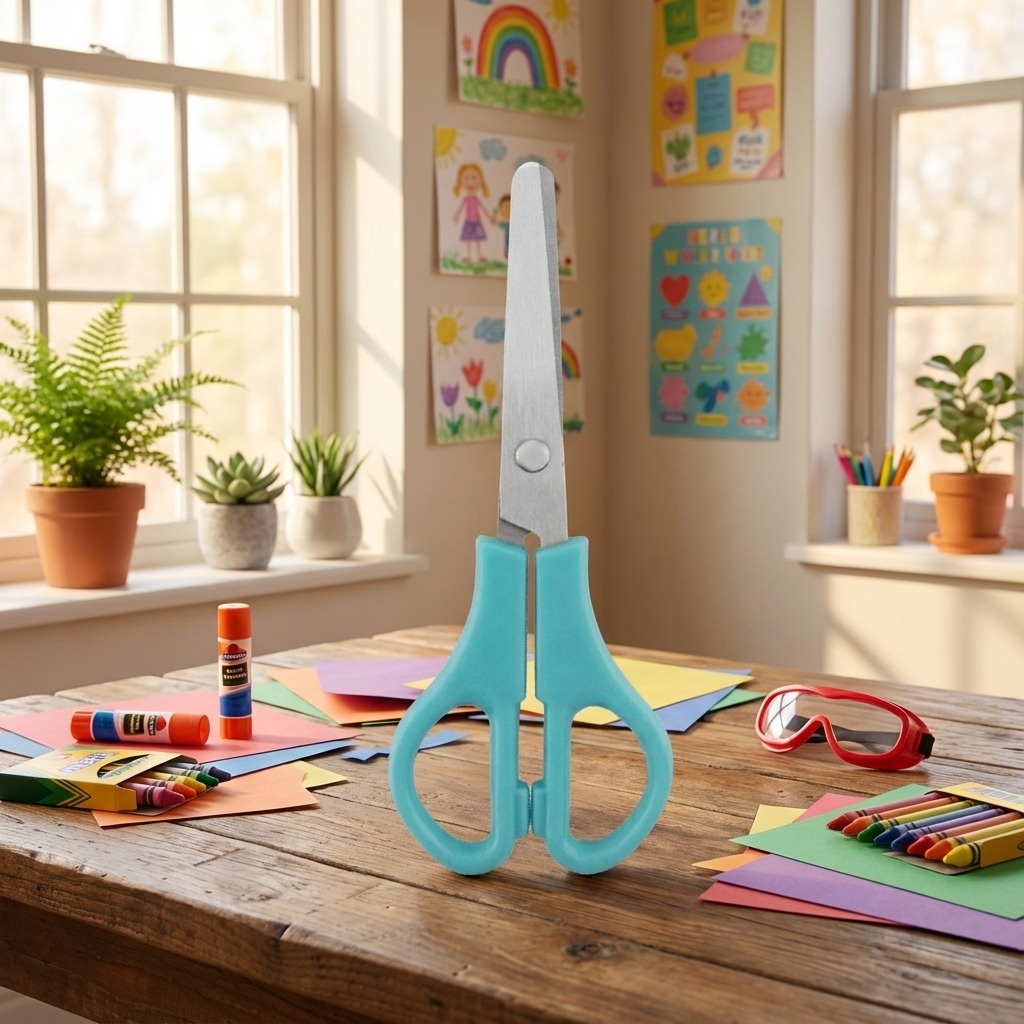
The original product focus highlights student scissors for educational and creative environments, with attention to safety, rounded or blunt tips, colorful design options, durability, and customization. This guide expands those points into a practical sourcing framework for importers, distributors, school supply brands, and retailers evaluating OEM or wholesale student scissors.
Key Takeaways
- Student scissors should be matched to the user group, especially classroom age range and supervision level.
- Rounded or blunt tips, comfortable handles, and reliable cutting performance are common buyer priorities.
- OEM customization may include color, logo, packaging, blade length, and handle design, but exact options should be confirmed with the supplier.
- B2B buyers should ask clear questions about materials, quality control, packaging tests, lead time, and compliance requirements for their market.
- A pre-shipment inspection and approved sample are useful steps before larger wholesale or private-label orders.
Why OEM Student Scissors Remain a Strong School Supply Category
Student scissors are used across classrooms, art rooms, home craft spaces, and stationery aisles. They are small, affordable, easy to display, and often purchased in multiples by schools or families. That makes them a steady product category for wholesalers and retailers, particularly during seasonal school supply cycles.
The appeal of OEM student scissors comes from flexibility. A buyer can develop an item for a budget stationery line, a colorful craft collection, a private-label school range, or a promotional pack. The same basic product can serve several channels if the specifications, packaging, and branding are planned correctly.
However, sourcing this product requires care. Student scissors are intended for younger users, so buyers should avoid treating them like a generic cutting tool. The product should be reviewed for safety-focused design, age suitability, and consistent production quality.
Core Product Features Buyers Should Evaluate
The original article mentions safety, precision, durability, child-friendly features, vibrant designs, rounded or blunt tips, ergonomic handles, and stainless steel blades. These are all relevant points to discuss with a scissors factory, but buyers should confirm every specification before placing an order.
Important product-selection questions include:
- What age range is the scissor design intended for?
- Are the tips rounded, blunt, or another shape?
- What blade material is used, and can the supplier document it?
- What blade length and total scissor size are available?
- Is the handle shape suitable for small hands and repeated classroom use?
- Are left-handed or ambidextrous versions available?
- How is cutting performance checked during production?
For student scissors, the product should cut common paper and craft materials cleanly without encouraging unsafe use. A scissor that is too dull can frustrate students, while one that is too sharp or poorly matched to the age group may not be appropriate for a school environment. Balance matters.
OEM Customization Options to Discuss with a Factory
Custom scissors manufacturing can help buyers create a product that fits a retail shelf, school tender, online listing, or private-label catalog. Common OEM discussion points include handle color, logo placement, packaging format, set quantity, and printed brand information. Some projects may also request adjustments to blade length, handle shape, or mixed-color assortments.
Because customization details vary by supplier, buyers should ask for a written specification sheet rather than relying on general descriptions. Useful details include product dimensions, blade material, handle material, color references, artwork requirements, packaging dielines, barcode placement, and carton packing information.
Logo and color accuracy should be checked through pre-production samples. If the item will be sold online, buyers should also request clear product photos and confirm whether packaging can show key usage information, warnings, or age guidance required by the destination market.
Comparison Checklist for OEM Student Scissors
| Evaluation Area | What to Check | Questions to Ask the Supplier |
|---|---|---|
| Safety-focused design | Rounded or blunt tips, smooth edges, suitable size | Which age group is this model designed for, and what safety features are included? |
| Cutting performance | Clean cutting on paper and light craft materials | How is cutting performance tested during production? |
| Materials | Blade and handle materials confirmed in writing | What materials are used, and can you provide documentation if required? |
| Customization | Colors, logo, packaging, blade length, assortment options | What OEM changes are available, and what affects cost or lead time? |
| Packaging | Retail card, pouch, bulk pack, classroom pack, carton strength | Can packaging be customized for retail, wholesale, or school supply channels? |
| Quality control | Approved sample, inspection criteria, defect handling | What inspection steps are used before shipment? |
Supplier and Factory Sourcing Guidance
When sourcing from a scissors factory or OEM supplier, the buyer should move from broad product interest to controlled specification. Start by sharing the target market, expected users, packaging channel, estimated order quantity, and any required compliance or labeling rules for your country. A good inquiry is specific enough for the supplier to recommend a suitable model or explain what needs to be customized.
Ask for samples before confirming mass production. A sample review should check hand feel, opening and closing smoothness, cutting consistency, tip shape, visual finish, logo position, and packaging accuracy. If multiple models are available, compare them side by side with the same paper or craft materials.
Do not assume that all student scissors meet the same standards. Requirements may vary by destination market, retail channel, and age classification. Buyers should ask suppliers what documents they can provide and should independently confirm what regulations apply to their own market. Avoid relying on vague claims such as “safe for kids” without checking the actual design and labeling.
Quality Control Before Wholesale Orders
For wholesale or private-label orders, quality control should be planned before production begins. The approved sample should become the reference point for production. Buyers may define acceptable tolerances for color, logo position, packaging, sharpness, handle finish, and carton condition.
Practical QC steps may include incoming material checks, in-process checks, final random inspection, and packaging review. For student scissors, inspectors should look for rough edges, loose rivets or joints, inconsistent opening action, damaged handles, poor printing, incorrect colors, and packaging mistakes. Cartons should also be reviewed if the product will be shipped long distance or stored through a seasonal selling period.
If your order is for schools, government tenders, or major retail programs, ask the supplier early about documentation, sample approval timing, and inspection support. These details can affect delivery schedules.
Packaging and Channel Planning
Packaging should match the sales channel. A retail store may need hanging cards or display-ready packs. An online seller may prefer compact packaging that protects the scissors during delivery. A school distributor may want bulk packs or classroom sets that are easy for teachers to store and distribute.
Clear packaging information can reduce customer service issues. Consider whether the package should show the age range, basic use guidance, brand information, barcode, product size, and safety warnings required by the destination market. For OEM orders, request packaging artwork proofs and physical samples before approving production.
Practical FAQ
What are OEM student scissors?
OEM student scissors are scissors produced for a buyer’s brand, packaging, or specification. They are commonly used for school, craft, stationery, and retail supply programs.
What features should buyers prioritize?
Buyers should prioritize age suitability, rounded or blunt tips where appropriate, comfortable handles, consistent cutting performance, durable construction, and packaging that fits the sales channel.
Can student scissors be customized?
Often, yes. Possible customization may include handle colors, logo placement, packaging, assortments, and some design details. Exact options depend on the supplier and should be confirmed in writing.
Should I request samples before ordering?
Yes. Samples help confirm hand feel, cutting performance, tip shape, finish, packaging, and logo accuracy before mass production begins.
What should I ask a scissors factory before placing an order?
Ask about available models, materials, size options, customization limits, packaging formats, lead time, quality control process, inspection support, and any documents needed for your target market.
Final Thoughts
OEM student scissors are a practical product for school supply and craft markets, but successful sourcing depends on clear specifications and careful supplier communication. Buyers should confirm safety-focused design details, customization options, materials, packaging, and quality control steps before committing to wholesale production. With a structured sourcing process, student scissors can be developed into a reliable private-label or retail item that meets classroom, home, and craft-use expectations.
