




OEM Tailor Scissors Manufacturer: Quality & Customization Guide
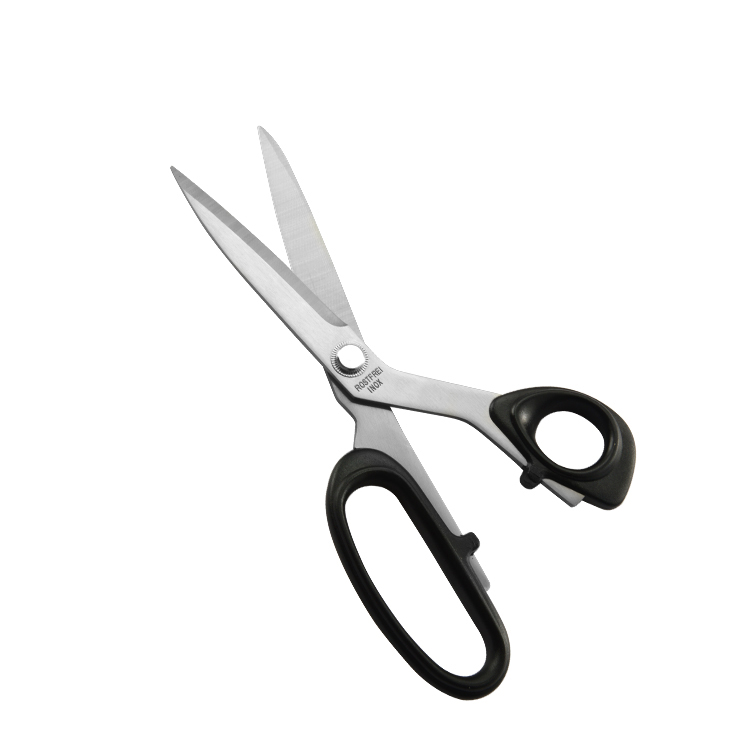
Choosing an OEM tailor scissors manufacturer is not only about finding a factory that can produce scissors. For wholesalers, sewing tool brands, retailers, and promotional buyers, the better question is whether a supplier can help turn a target product idea into consistent, repeatable bulk supply. Tailor scissors are practical tools used by professional sewing shops, garment makers, alteration services, craft users, and home sewing customers, so small differences in comfort, balance, packaging, and finish can affect buyer satisfaction.
The original article introduced OEM tailor scissors, customization, and bulk supply. This rewritten guide expands those points into a more useful sourcing checklist. It explains what to compare, which customization details to clarify, and what questions buyers should ask before placing an order. Because specifications, materials, test methods, prices, minimum order quantities, and delivery schedules vary by supplier, those details should be confirmed directly instead of assumed.
Key Takeaways
- OEM sourcing is best suited for buyers who need tailor scissors aligned with a brand, market, packaging plan, or price position.
- Customization can include blade length, handle design, finish, logo placement, packaging, and assortment strategy, but each option should be confirmed with the supplier.
- Bulk buyers should evaluate samples, consistency, packaging durability, inspection process, lead time, and reorder stability.
- A clear specification sheet reduces misunderstanding and makes quotations easier to compare across suppliers.
What OEM Tailor Scissors Manufacturing Means
An OEM tailor scissors manufacturer produces scissors according to a buyer’s requested design, branding, packaging, or commercial requirements. In some cases, the buyer may choose from an existing product and customize only the logo or packaging. In other cases, the buyer may request changes to the handle, blade length, color, surface finish, carton quantity, or retail presentation.
For B2B buyers, the main value of OEM manufacturing is control. A retailer may want a recognizable private-label sewing tool line. A distributor may need a dependable bulk tailor scissors supplier for repeated replenishment. A brand owner may want custom tailor scissors that fit a certain customer segment, such as professional sewing users, schools, tailoring shops, or general household sewing kits.
Customization Options Buyers Should Clarify
Customization is often the reason buyers search for an OEM partner, but the term can mean different things. Before requesting a quotation, prepare a short specification document. It should describe the intended use, target customer, expected retail channel, and any required visual or packaging preferences.
Common customization points to discuss include:
- Scissor size or blade length, if the supplier offers multiple options.
- Handle shape, color, comfort details, and whether left-hand or right-hand options are available.
- Logo method, logo position, and whether logo samples can be reviewed before mass production.
- Packaging type, such as hanging card, blister pack, box, sleeve, or bulk pack.
- Assortments for retail sets, sewing kits, or promotional programs.
- Carton packing, barcode needs, labeling language, and shipping mark requirements.
Do not assume a supplier can provide every customization option. Ask which changes are standard, which require tooling or additional setup, and which may affect lead time or unit cost.
Quality Factors That Matter in Tailor Scissors
Quality in tailor scissors is usually judged through practical use. Buyers should look beyond appearance and ask how the scissors feel when cutting fabric, thread, paper patterns, or sample materials relevant to the target market. Smooth opening and closing, stable alignment, comfortable grip, and clean cutting edges are all important indicators.
When reviewing samples, check several pieces instead of only one. A single good sample does not prove bulk consistency. Open and close each pair repeatedly, inspect handle edges, look for visible finish defects, and test cutting performance on appropriate materials. If the scissors are intended for professional tailor use, ask the supplier what sample testing or inspection steps they can support before shipment.
Material grade, hardness, coating, blade treatment, and compliance details should not be guessed. Request written confirmation from the supplier if such information is important for your market, packaging claims, or import documentation.
Supplier Comparison Checklist
| Area to Compare | What to Ask | Why It Matters |
|---|---|---|
| Product range | Which tailor scissors sizes and styles are available? | Helps match the product to professional, retail, or household sewing users. |
| Customization | Which logo, handle, color, and packaging options are supported? | Prevents design plans that the supplier cannot produce efficiently. |
| Samples | Can pre-production or branded samples be provided? | Allows buyers to evaluate comfort, finish, and cutting performance before bulk order. |
| Bulk consistency | How is product quality checked during production and before shipment? | Reduces the risk of variation across cartons or repeat orders. |
| Commercial terms | What are the MOQ, lead time, payment terms, and packing details? | Supports accurate costing, planning, and customer delivery commitments. |
Bulk Supply Planning for Retailers and Distributors
Bulk tailor scissors sourcing requires more than a low quotation. Buyers should think about inventory flow, packaging damage risk, carton dimensions, replenishment cycles, and how the product will be displayed or sold. A pair of tailor scissors may be sold as a single sewing tool, included in a sewing kit, added to a textile supply catalog, or supplied to uniform, craft, and alteration businesses.
Before confirming an order, ask for packing photos, inner box and master carton information, estimated gross weight, and labeling options. If your customer requires barcodes, warning labels, language versions, or retailer-specific carton marks, provide those details early. Late packaging changes can delay production or create extra cost.
For repeat business, also ask how long the selected model, color, and packaging design can remain available. A supplier’s ability to support repeat orders is often more important than a one-time sample success.
How to Prepare a Better RFQ
A well-prepared request for quotation saves time and improves supplier responses. Instead of asking only for “best price,” include the product use case, expected quantity, packaging preference, target market, and required delivery timing. If you already have a reference sample or drawing, share clear photos and measurements. If you need a private-label product, specify logo size, artwork format, and packaging artwork status.
- Define the target user: tailor shop, sewing student, craft buyer, home sewing user, or retailer assortment.
- List preferred size, handle design, finish, color, and packaging.
- Ask which specifications can be confirmed in writing.
- Request sample timing, sample cost, and whether branded samples are possible.
- Confirm MOQ, production lead time, carton packing, and shipping documents needed.
Practical FAQ
What should I check first when choosing an OEM tailor scissors manufacturer?
Start with product fit, sample quality, customization ability, and communication clarity. A supplier should be able to explain available options and answer questions about packing, lead time, and inspection before you commit to bulk supply.
Can tailor scissors be customized for a private-label brand?
Often, yes, but the available methods depend on the supplier. Ask about logo placement, packaging artwork, color choices, sample approval, and whether any tooling or setup cost applies.
How do I judge sample quality?
Check cutting smoothness, blade alignment, handle comfort, visible finish, opening and closing action, and consistency across multiple samples. Test on materials that match your expected customer use.
What commercial details should I confirm before ordering?
Ask about MOQ, unit price basis, sample terms, lead time, packaging, carton size, payment terms, inspection process, and whether specifications can be documented for the purchase order.
Should I choose the lowest-priced supplier?
Not automatically. Compare total value, including sample reliability, packaging quality, communication, repeat order support, and the supplier’s ability to meet your required specification consistently.
Final Sourcing Advice
OEM tailor scissors can be a strong product category for buyers who need customized cutting tools for sewing, tailoring, retail, or distribution channels. The best sourcing results come from clear specifications, careful sample review, and direct questions about what the manufacturer can reliably provide. Treat the supplier conversation as a technical and commercial evaluation, not only a price request. That approach helps reduce surprises and supports a more stable private-label or wholesale scissors program.
