




Office Scissors Factory: Precision & Customization
An office scissors factory is more than a place that makes simple cutting tools. For stationery brands, office suppliers, promotional product buyers, and wholesale distributors, the right factory partner can affect product consistency, user comfort, packaging quality, and long-term reorder reliability. Office scissors are used for opening packages, trimming documents, preparing presentations, cutting labels, and light craft tasks, so buyers need products that feel dependable in daily workplace use.
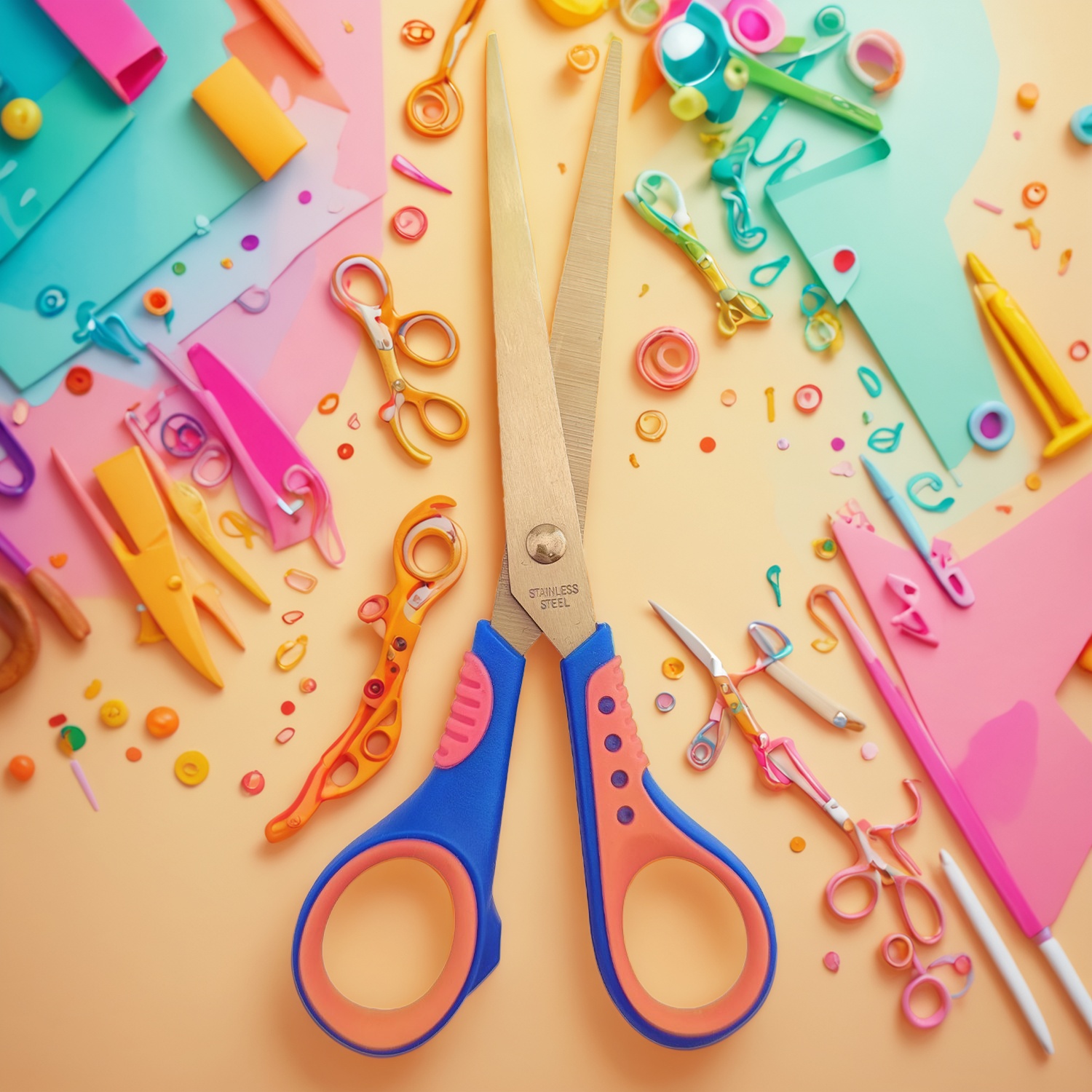
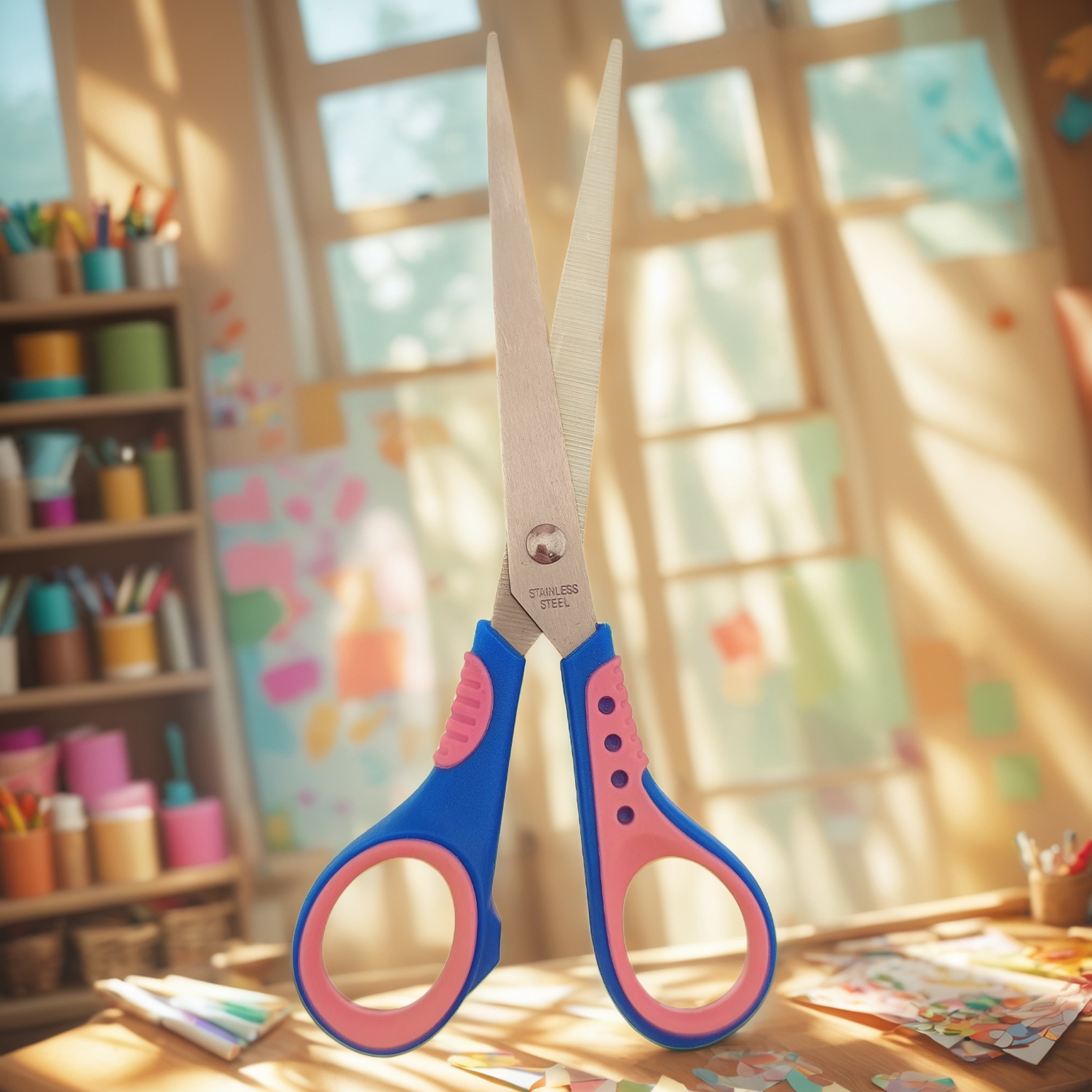
The original product focus includes office scissors with sharp stainless steel blades, ergonomic handles in blue and pink, an ambidextrous design, rust-resistant materials, and silicone grips for a non-slip hold. These features are useful starting points, but B2B buyers should still confirm the exact specifications, samples, testing standards, packaging, and customization limits before placing an order.
Key Takeaways
- Office scissors should be evaluated for cutting performance, comfort, safety, and repeat-use durability.
- Customization can include handle colors, blade lengths, branding, and packaging, but available options should be confirmed with the supplier.
- For OEM or wholesale sourcing, request samples and written specifications before approving bulk production.
- Do not rely only on product photos; check grip feel, blade alignment, edge sharpness, and packaging quality.
What Makes Scissors Suitable for Office Use?
Scissors for office use must handle frequent, varied tasks without feeling awkward or unsafe. In a workplace, users may cut printer paper, envelopes, thin cardboard, packaging tape, labels, or presentation materials. A clean cut matters because frayed paper edges, uneven trimming, and sticky blade movement can slow down routine work.
Sharp stainless steel blades are a practical feature because they help produce clean cuts and reduce dragging through paper. Ergonomic handles also matter, especially in shared offices where scissors may be used repeatedly throughout the day. The Scissor Supreme described in the original product information includes ergonomic handles in blue and pink and is designed to reduce hand fatigue during extended use. That makes comfort an important purchasing criterion, not just a design preference.
How to Evaluate an Office Scissors Factory
When sourcing from an office scissors factory, buyers should move beyond a basic product listing and evaluate the supplier’s process. Ask how the factory controls blade alignment, handle molding consistency, blade sharpness, grip attachment, and final inspection. These details affect whether every unit in a shipment performs the same way.
It is also important to clarify whether the supplier is a manufacturer, trading company, or mixed operation. Each model can work, but the buyer should understand who controls production, who handles quality checks, and who is responsible if a batch does not match the approved sample.
- Request a physical sample before confirming an order.
- Ask for written product specifications, including blade length and handle material details.
- Confirm whether colors shown in photos can be repeated in bulk production.
- Review packaging options for retail, office supply, or promotional distribution.
- Ask what inspection steps are used before shipment.
Customization Options for Office Scissors
Office scissors customization can help a buyer match a product to a brand, channel, or user group. The original article notes customization such as selecting blade lengths or handle colors for branding purposes. This can be valuable for office supply catalogs, private-label stationery lines, school and workplace bundles, or promotional campaigns.
Common customization questions include whether the factory can provide specific handle colors, logo placement, printed packaging, hang cards, barcode labels, or bundled sets. If the product is intended for both right-handed and left-handed users, an ambidextrous design should be confirmed during sample review. The Scissor Supreme is described as ambidextrous, which can make it easier to specify for shared office environments.
Buyers should avoid assuming that every visual detail can be customized without affecting cost, production time, or minimum order requirements. Instead, ask the supplier to provide a clear customization sheet showing available options, sample lead time, production lead time, and artwork requirements.
Feature Checklist for B2B Buyers
The table below can help purchasing teams compare samples from different office scissors suppliers. Use it during sample testing, quotation review, or internal product approval.
| Evaluation Point | Why It Matters | Question to Ask the Supplier |
|---|---|---|
| Blade sharpness | Supports clean cutting of paper, envelopes, and light packaging. | How is blade sharpness checked before shipment? |
| Blade material | Stainless steel blades are noted for the product and should be verified. | What material is specified for the blade in the quotation? |
| Handle comfort | Ergonomic handles can reduce fatigue during repeated office use. | Can you provide samples for comfort and grip testing? |
| Grip control | Silicone grips can provide a non-slip hold for safer handling. | Is the grip material and finish consistent across production batches? |
| Customization | Colors, blade lengths, and branding may support private-label programs. | Which customization options are standard, and which require special approval? |
| Packaging | Packaging affects retail presentation, shipping protection, and barcode use. | What packaging formats are available for wholesale or retail channels? |
Sample Testing Before Bulk Orders
Before placing a wholesale or OEM order, sample testing is essential. A product can look attractive in photos but feel different in daily use. Test the scissors on common office materials such as printer paper, envelopes, thin cardboard, labels, and presentation sheets. Check whether the blades meet smoothly from pivot to tip and whether the cut remains clean after repeated use.
Comfort should also be tested by more than one person. Since office scissors are often shared, the handle should feel stable for different hand sizes. If the product is promoted as ambidextrous, ask both right-handed and left-handed users to try it. For silicone grips, check whether the grip feels secure and whether it creates a controlled hold without feeling sticky or loose.
Packaging, Branding, and Wholesale Planning
Packaging is a major part of office scissors sourcing. A distributor may need bulk cartons for office supply contracts, while a retail buyer may require individual packaging with product information and barcode placement. Promotional buyers may focus on logo visibility and color matching. Each use case should be discussed before production starts.
For branding, provide the supplier with artwork files, color references, packaging text, and any required warnings or labeling instructions. Do not assume the factory will create compliant packaging for a specific market unless that service is clearly agreed. If legal or regulatory requirements apply in your sales region, ask the supplier what documentation they can provide and confirm details with your own compliance team.
Common Sourcing Mistakes to Avoid
One common mistake is choosing scissors only by unit price. Low cost can become expensive if the blades are misaligned, the handles are uncomfortable, or the packaging is unsuitable for the sales channel. Another mistake is approving production from digital images without a signed or sealed reference sample. For customized office scissors, a confirmed sample helps prevent disputes over color, grip texture, logo position, and packaging layout.
Buyers should also avoid vague specifications. Instead of asking for “good office scissors,” define the intended use, preferred blade length, handle color, packaging type, branding needs, and inspection expectations. Clear specifications help the supplier quote accurately and help the buyer compare offers fairly.
Practical FAQ
What should I ask an office scissors factory first?
Start with product specifications, available samples, customization options, packaging choices, production lead time, and quality inspection process.
Are stainless steel blades important for office scissors?
The original product information identifies sharp stainless steel blades, which are useful for clean cuts in everyday office tasks. Buyers should confirm the exact blade specification in writing.
Can office scissors be customized for a brand?
Yes, customization may include blade lengths, handle colors, and branding-related details. Confirm what is available, what requires tooling or artwork approval, and what affects lead time.
Why does an ambidextrous design matter?
Shared office tools are used by different people. An ambidextrous design can make one scissors model more practical for both right-handed and left-handed users.
How can I reduce sourcing risk?
Request samples, test them in real office tasks, approve written specifications, confirm packaging, and ask the supplier how final inspection is handled before shipment.
