




Office Scissors Manufacturer: Practical Sourcing Guide for Buyers
Choosing an office scissors manufacturer is not only about finding a cutting tool that looks acceptable on a desk. For wholesalers, stationery brands, office supply distributors, and procurement teams, the decision affects product consistency, user comfort, packaging presentation, and repeat purchasing. Office scissors are simple products, but small differences in blade finish, handle shape, size range, and quality control can change how customers perceive the item.
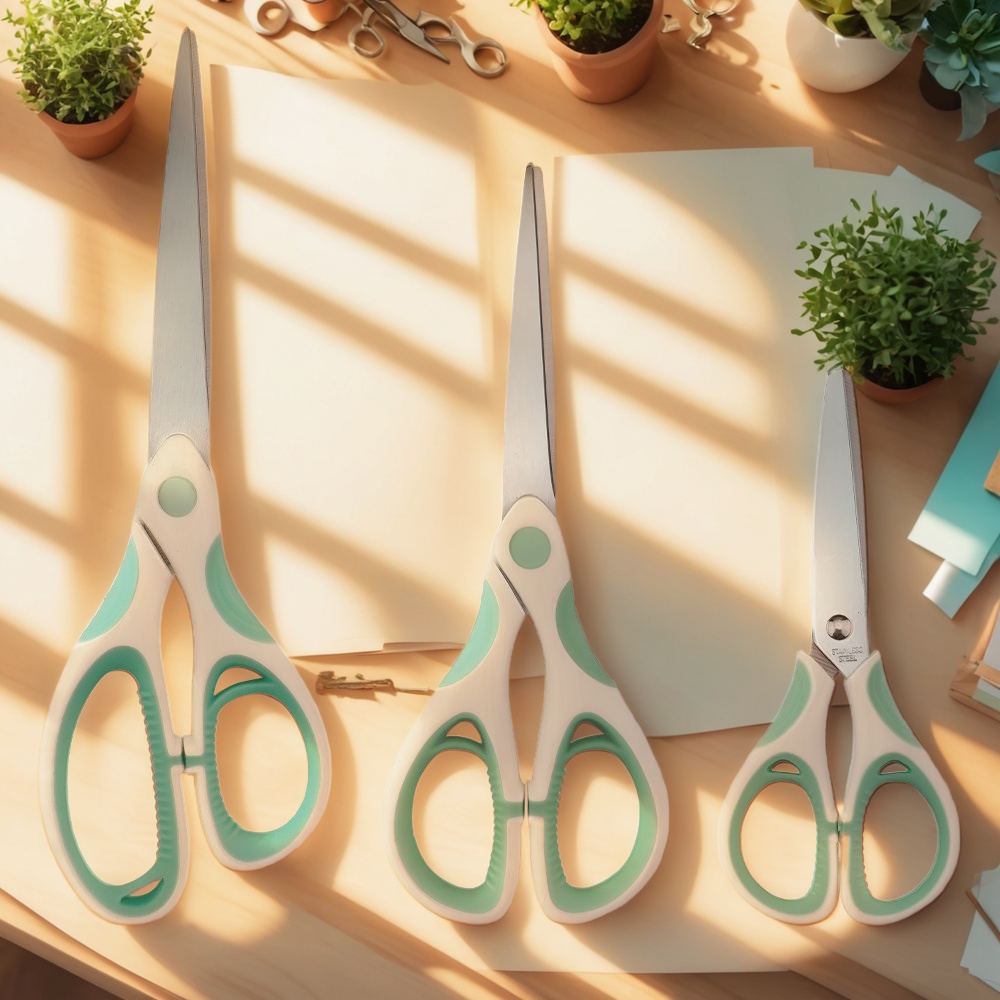
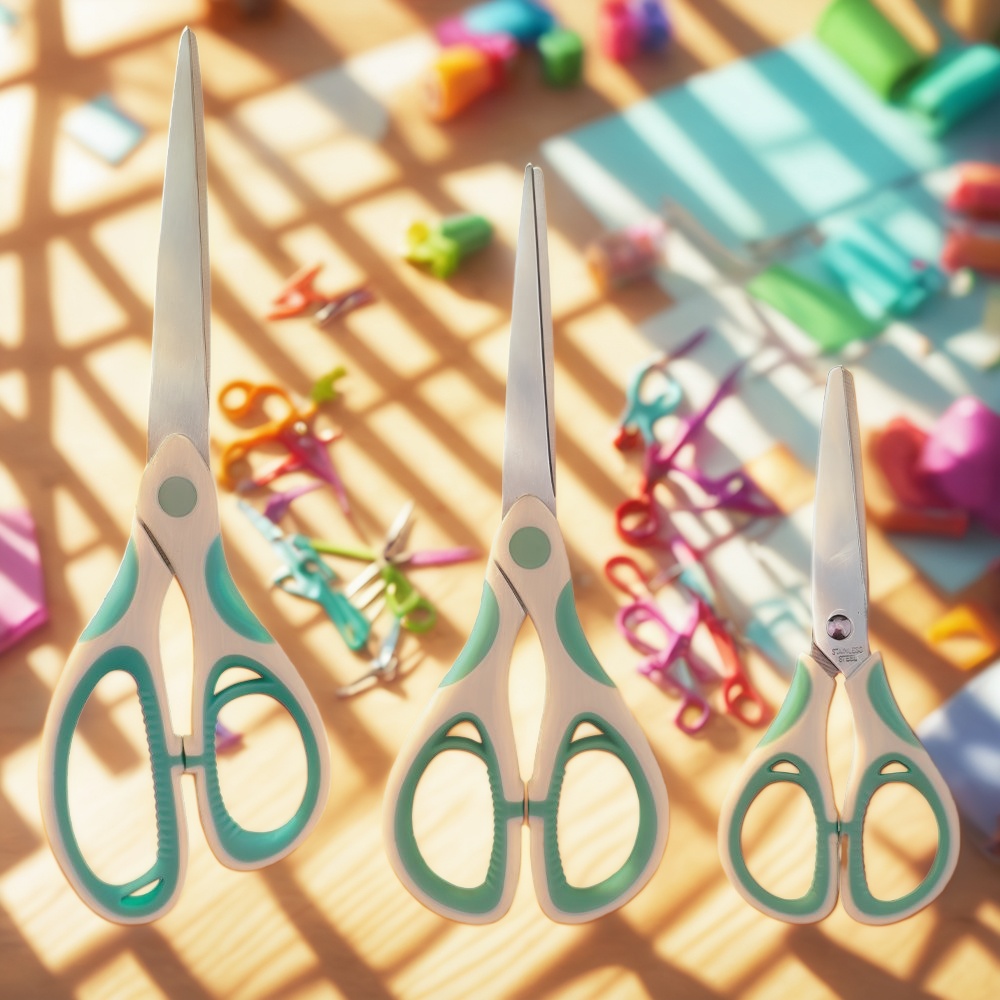
The original product introduction highlights a set of office stationery scissors with high-grade stainless steel blades, ergonomic handles, a mint green and white design, soft-grip comfort, and small, medium, and large size options. This guide expands that information into a practical sourcing framework so buyers can compare suppliers more clearly and avoid vague claims during procurement.
Key Takeaways
- Office scissors should be evaluated by blade performance, handle comfort, size range, packaging, and quality consistency.
- A three-size assortment can support general office work, crafting, document preparation, and detailed cutting tasks.
- Buyers should ask suppliers direct questions about materials, inspection standards, customization, lead time, and packaging options.
- Do not rely only on appearance; request samples and test them on common office materials before placing a larger order.
What Buyers Should Expect from an Office Scissors Manufacturer
A capable office scissors manufacturer should be able to explain how its products are designed, produced, inspected, packed, and delivered. For B2B buyers, the goal is not just to purchase scissors once, but to build a stable supply program that supports consistent resale or internal distribution.
When contacting a supplier, ask what materials are used for the blades and handles, how sharpness and alignment are checked, whether the scissors are available in different sizes, and what packaging formats can be supplied. If the supplier offers OEM or private label service, confirm what can actually be customized: color, logo placement, packaging artwork, assortment mix, or carton labeling. Commercial details such as MOQ, lead time, payment terms, and sample availability should be confirmed directly because they vary by order and supplier.
Office Scissors Innovations That Matter in Daily Use
Many product listings describe scissors as innovative, but buyers should look for practical improvements that users can feel. The original article mentions high-grade stainless steel blades designed for clean cutting through materials such as paper, fabric, and cardboard. It also describes ergonomic mint green and white handles with a comfortable, non-slip grip intended to reduce hand fatigue during repeated use.
For office environments, useful innovation usually appears in four areas: blade sharpness, grip comfort, size selection, and durability. A sharp blade helps reduce tearing on paper and improves control on light craft materials. A comfortable handle matters when staff are cutting labels, forms, packaging, or presentation materials for long periods. Size variety allows users to choose a compact scissor for detail work or a larger one for longer straight cuts.
Comparing Office Stationery Scissor Options
The original product description refers to a trio of scissors in small, medium, and large sizes. This format can be useful for retailers, promotional packs, school and office supply bundles, or corporate stationery programs. The table below shows how buyers can think about the role of each size when evaluating samples.
| Option | Best Use Cases | Buyer Checklist |
|---|---|---|
| Small scissors | Detail cutting, labels, coupons, light craft work, desk drawers | Check tip control, handle comfort, and whether the size suits adult users or mixed users. |
| Medium scissors | General office cutting, paper, envelopes, forms, and routine stationery tasks | Test blade alignment, smooth opening and closing, and comfort during repeated cuts. |
| Large scissors | Longer cuts, presentation materials, light cardboard, and larger sheets | Confirm stability, grip security, and whether the blade length matches your market needs. |
Blade and Handle Features to Review Before Ordering
Blade quality is one of the first things buyers should test. The source article states that the scissors use high-grade stainless steel blades, but buyers should still request clear material details from the supplier. Ask whether the blade material, thickness, finish, and edge treatment can be specified in writing. For private label or wholesale orders, it is also useful to ask how the supplier checks sharpness and whether inspection criteria can be included in the purchase agreement.
Handle design should be reviewed with real users whenever possible. The original product description notes ergonomic handles, a mint green and white appearance, and a soft-grip feel. During sample testing, check whether the grip works for different hand sizes, whether the thumb and finger loops feel comfortable, and whether the handle material becomes slippery during long use. A good-looking handle is valuable, but comfort and control are more important for repeat customers.
How to Evaluate a Supplier for OEM, Wholesale, or Retail Programs
For B2B sourcing, a supplier conversation should move beyond product photos. Before choosing an office scissors manufacturer, prepare a short evaluation list and use the same questions with each potential supplier. This makes quotations easier to compare and reduces misunderstandings.
- Request physical samples in the exact sizes and colors under consideration.
- Ask what blade and handle materials are used, and whether alternatives are available.
- Confirm available packaging styles, such as individual packing, sets, display boxes, or retail cards.
- Ask whether logos, colors, barcode labels, or carton marks can be customized.
- Discuss MOQ, production lead time, sample lead time, and whether these change by customization level.
- Ask how the supplier handles incoming material checks, in-process inspection, and final inspection.
- Clarify how defective products, shipment shortages, or packaging errors are handled.
Buyers should avoid assuming that every supplier can support the same customization, documentation, or packaging requirements. If compliance documents or market-specific tests are required, ask the supplier what they can provide and verify the documents independently.
Sample Testing Tips for Office Scissors
Sample testing does not need to be complicated, but it should be consistent. Test each scissor on the same materials: copy paper, envelopes, thin cardboard, and any other materials your customers commonly cut. Look for clean cutting, smooth blade movement, secure handle connection, and comfortable use over multiple repetitions.
Also inspect the product visually. Check for burrs, uneven blade edges, loose screws, color inconsistency, rough handle seams, and packaging damage. If ordering a three-size set, compare whether the color, finish, and branding are consistent across all sizes. Small inconsistencies can become larger problems in retail or wholesale distribution.
Practical FAQ
What should I ask an office scissors manufacturer before requesting a quote?
Ask for blade material, handle material, available sizes, packaging options, customization choices, MOQ, sample policy, lead time, and quality inspection process. Provide your target market and packaging needs so the quotation is relevant.
Are small, medium, and large scissors all necessary?
Not always. A three-size set is useful when customers need a versatile stationery assortment. If your market mainly buys general office supplies, a medium size may be the core item. Use sample feedback and sales channel requirements to decide.
How can I judge whether office scissors are comfortable?
Test them with several users and repeat cutting tasks for a few minutes. Pay attention to finger pressure, grip stability, handle edges, and whether the scissors feel balanced during both short and long cuts.
Can office scissors be customized for private label orders?
Many suppliers may offer some level of customization, but the details differ. Ask specifically about logo printing, handle color, packaging design, barcode labeling, carton marks, and any MOQ changes linked to customization.
Should I rely on product photos when choosing a supplier?
No. Photos help with initial screening, but samples are essential. Physical testing is the best way to confirm blade performance, handle comfort, finish quality, and packaging suitability before committing to a bulk order.
