




Office Scissors Manufacturer: Sourcing Guide for Buyers
Office scissors are small tools, but they affect daily work in schools, companies, print rooms, craft areas, and stationery retail. For B2B buyers, choosing an office scissors manufacturer is not only about selecting a blade and handle color. It is about matching the product to the target user, checking consistency across batches, and understanding what questions to ask before placing a wholesale or OEM order.
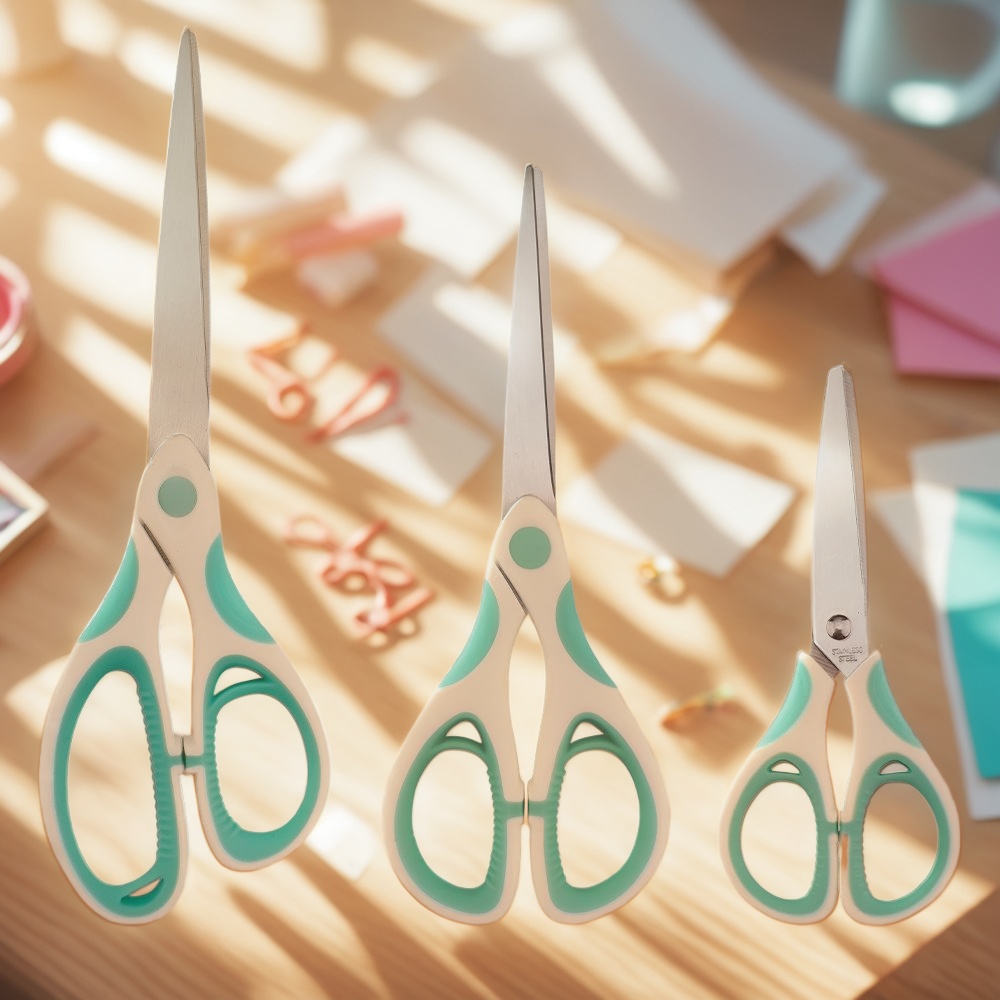
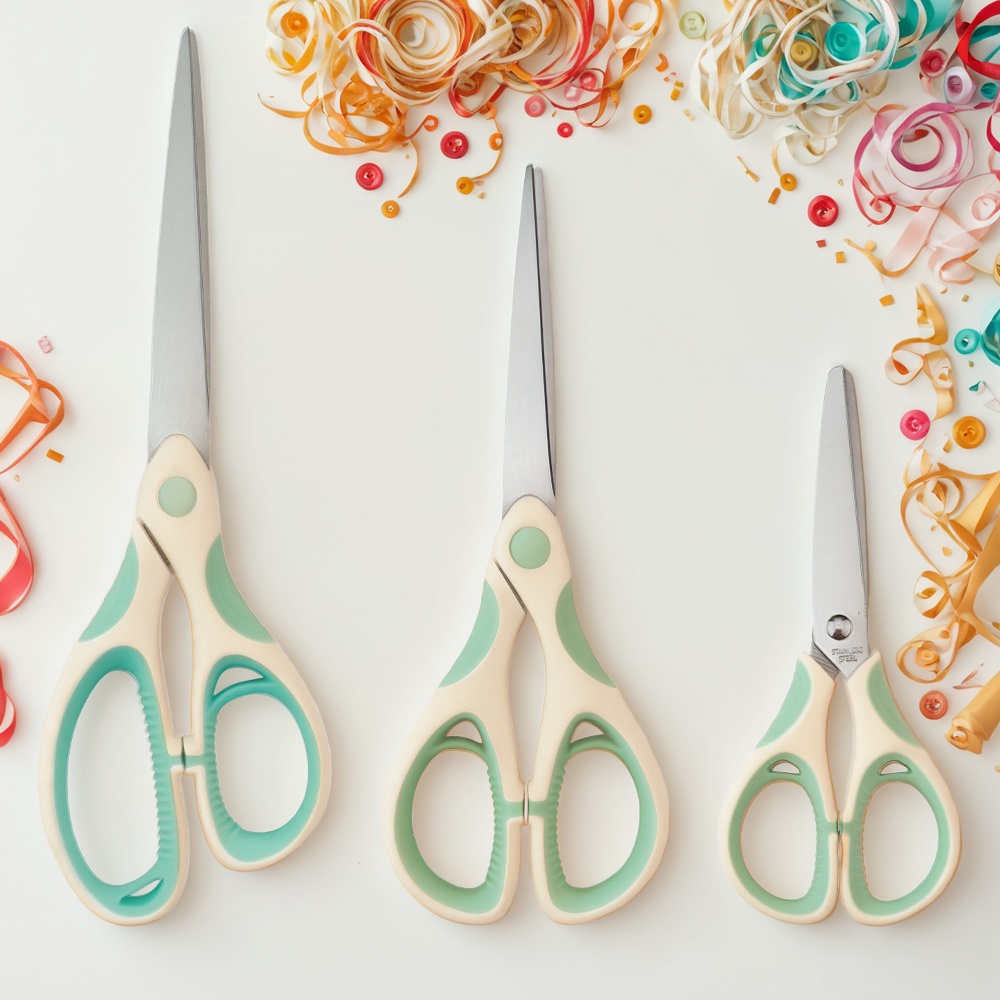
The product shown in the original article highlights several useful features: stainless steel blades, ergonomic handles with a mint green grip, a non-slip hold, and two size options, including a larger pair for heavier office tasks and a compact pair for more detailed work. These details are a helpful starting point for buyers comparing office stationery scissors for corporate, school, home office, or retail programs.
Key Takeaways
- Define the end use before selecting size, handle style, packaging, or blade type.
- Ask suppliers to confirm materials, tolerances, sample policy, packaging options, and quality checks.
- Do not rely on appearance alone; test cutting comfort, blade alignment, and performance on common office materials.
- For OEM or wholesale programs, clarify labeling, carton packing, lead time, and documentation before purchase.
What Buyers Should Look for in Office Scissors
A good office scissors program starts with practical use cases. General office users may need scissors for paper, envelopes, labels, and light packaging. Schools may prefer comfortable handles and safe, manageable sizes. Craft or creative teams may need clean cutting on paper, fabric, ribbon, or other light materials. The original product description notes clean cuts on various materials, from papers to fabrics, but buyers should still request samples and test the exact materials used by their customers.
Comfort is also important. Ergonomic handles and a non-slip grip can reduce strain during repeated cutting. A compact pair can support detailed work, while a larger pair can handle broader cutting tasks. When sourcing from a manufacturer, ask whether handle shape, grip material, color, and size assortment can be adjusted for different market needs.
Office Scissors Innovations That Matter
Innovation in office scissors is usually practical rather than flashy. Useful improvements include more comfortable handle geometry, better blade alignment, improved grip surfaces, and balanced sizing for shared workspaces. Stainless steel blades, as described in the source article, are commonly valued for clean cutting and everyday durability. However, buyers should ask the supplier to confirm the exact steel type, blade thickness, hardness expectations, and recommended use limitations instead of assuming specifications that are not documented.
Handle design deserves the same attention as the blade. A mint green ergonomic grip can help a product stand out visually, but appearance should be considered alongside function. Buyers should check whether the grip feels secure with dry hands, whether edges are smooth, and whether the handle opening fits the intended adult, student, or mixed-use audience.
Comparison Checklist for Sourcing Office Stationery Scissors
| Evaluation Area | What to Check | Questions to Ask the Manufacturer |
|---|---|---|
| Blade performance | Clean cutting on paper, labels, thin cardboard, or fabric samples | What materials are the scissors designed to cut, and what should users avoid? |
| Blade material | Stainless steel is stated in the source product description | Can you confirm the steel specification and provide sample test data if available? |
| Handle comfort | Ergonomic grip, smooth edges, suitable opening size | Are different handle colors, shapes, or sizes available for OEM orders? |
| Assortment | Large and compact options for different tasks | Can the set configuration be changed for retail, school, or office channels? |
| Packaging | Retail card, bulk pack, set pack, or private label format | What packaging formats are available, and what artwork files are required? |
| Quality consistency | Alignment, screw tension, grip finish, cutting feel | What in-process and final inspection steps are used before shipment? |
How to Evaluate a Scissors Manufacturer
For wholesale or OEM sourcing, a supplier should be able to answer operational questions clearly. Start with product details: available sizes, blade material, handle material, color choices, packaging formats, and whether the product is sold individually or as a set. Then move to commercial and production questions. Since the original article does not provide capacity, MOQ, pricing, lead time, or certifications, buyers should request those details directly rather than making assumptions.
Useful questions include:
- What is the minimum order quantity for standard stock and for customized packaging?
- Can samples be provided before bulk production, and are they production-equivalent?
- What artwork, labeling, and barcode requirements can the factory support?
- How are blade sharpness, alignment, screw tension, and handle finish inspected?
- What are the estimated production lead times for standard and customized orders?
- Are any compliance documents or test reports available for the target market?
These questions help buyers compare suppliers fairly and avoid problems that may not appear in product photos.
Selecting the Right Scissors for Different Channels
Office stationery scissors are used across several sales channels, and each channel has different priorities. Corporate procurement teams often want dependable tools for shared supply rooms. Schools may care about comfort, manageable size, and packaging efficiency. Retail stationery buyers may need attractive colors and clear product presentation. Craft-focused buyers may test the scissors on paper, ribbon, and light fabric before making a decision.
A two-size set can be useful where users perform both general and detailed tasks. The larger pair may suit broad cutting, while the compact pair may be easier for close work or desk storage. For private label programs, buyers should consider whether the same design can support multiple SKUs, such as a single large scissor, a compact scissor, or a two-piece set.
Sample Testing Before Bulk Orders
Before confirming a large order, request samples and create a simple test plan. Test cutting performance on the materials your customers actually use. Check whether the blades meet cleanly from base to tip. Open and close the scissors repeatedly to assess tension and comfort. Inspect the grip for rough edges, color consistency, and secure assembly. If the scissors will be sold as a set, compare both sizes for consistent finish and packaging fit.
It is also wise to keep approved samples as reference standards. If an order is customized, confirm the final pre-production sample before mass production. This reduces the risk of misunderstandings about color, packaging layout, logo placement, or assortment.
Care and Use Guidance for End Users
Even well-made office scissors perform best when used correctly. Sellers can reduce complaints by including simple care guidance in product listings or packaging copy. Recommend using office scissors for suitable materials, wiping blades clean after cutting adhesive labels, and storing them in a dry desk drawer or organizer. Users should avoid forcing the blades through hard materials that the scissors were not designed to cut.
For shared office environments, consider assigning scissors by task. A pair used for tape and packaging may accumulate adhesive residue, while a cleaner pair can be reserved for paper documents or craft work. This simple separation helps maintain cutting quality over time.
FAQ
What makes a good office scissors manufacturer?
A good manufacturer provides clear product information, consistent samples, stable quality control, and transparent answers about MOQ, lead time, packaging, and customization options.
Are stainless steel blades suitable for office scissors?
The source product describes stainless steel blades, which are commonly used for everyday office cutting. Buyers should still ask the supplier to confirm the exact material and intended cutting applications.
Should I choose a single scissor or a set?
A single size can work for standard office supply programs. A set with large and compact scissors may be better for users who need both general cutting and detailed work.
Can office scissors be customized for wholesale or OEM orders?
Customization may include handle color, packaging, labeling, or set configuration, but availability depends on the supplier. Buyers should confirm options, MOQ, artwork requirements, and sample timing.
How should buyers inspect samples?
Check blade alignment, cutting feel, handle comfort, grip finish, screw tension, packaging quality, and performance on the actual materials your customers will cut.
