




Office Stationery Scissors: Precision & Elegance
Office stationery scissors look simple, but for distributors, office supply buyers, schools, creative studios, and corporate procurement teams, the right pair affects daily productivity, user comfort, and repeat purchasing. A pair used for paper trimming, packaging, labeling, classroom activities, or light craft work should cut cleanly, feel stable in the hand, and hold up under regular use.
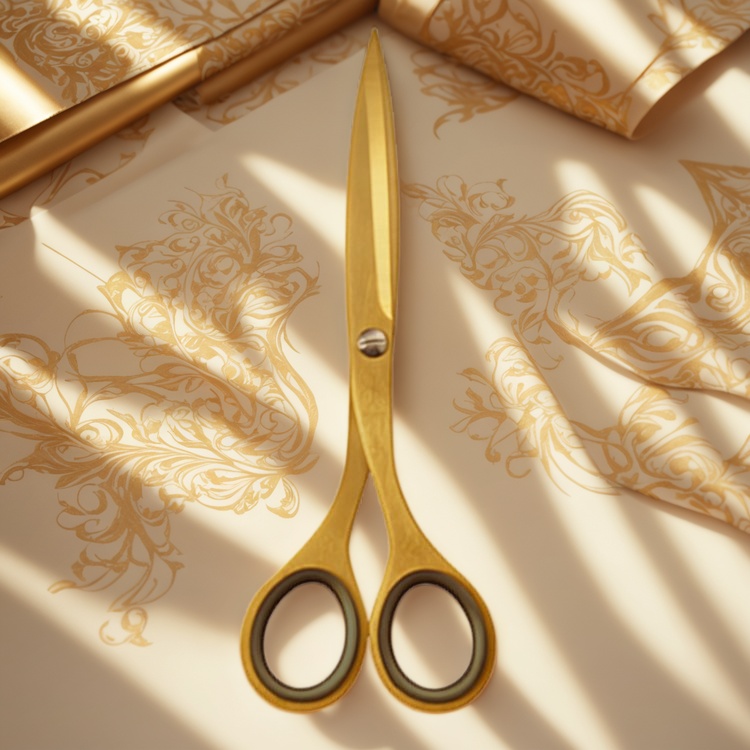
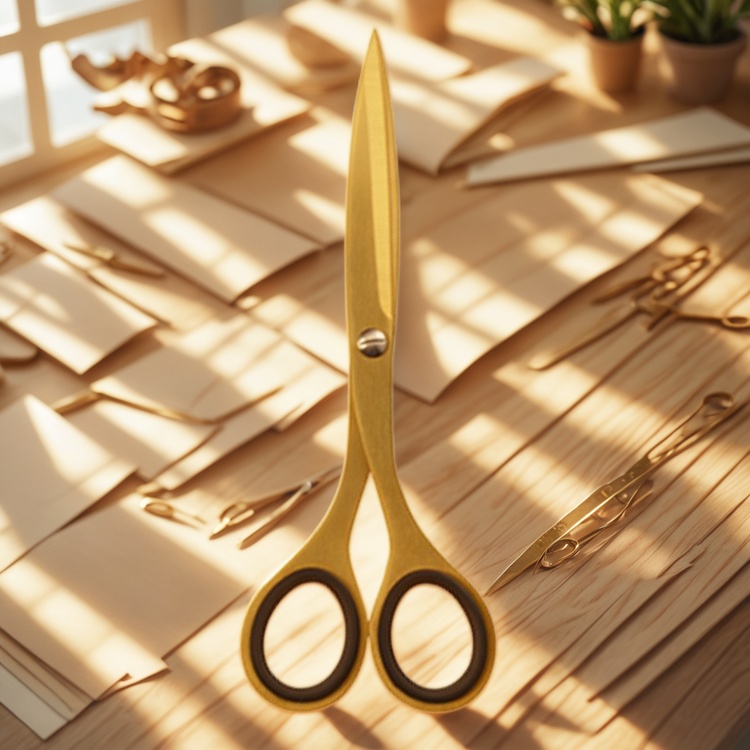
The original Gold Elegance Precision Scissors article highlights several explicit product details: a gold-tone presentation, stainless steel blade construction, black soft rubber inserts in the handles, and an ergonomic scissors design intended for comfort and control. Those are useful starting points, but a stronger buying decision also requires a structured review of materials, fit, supplier reliability, packaging, and application.
Key Takeaways
- Office stationery scissors should be assessed by cutting performance, comfort, durability, and consistency across batches.
- Stainless steel blade construction is a useful feature when buyers need clean paper cutting and daily reliability.
- Soft rubber handle inserts can improve grip comfort, especially during repeated cutting tasks.
- Wholesale and OEM buyers should ask suppliers for samples, packaging options, quality checks, lead times, and available customization details.
- A decorative finish can support retail presentation, but it should not replace practical performance testing.
What Makes Office Stationery Scissors Suitable for Daily Use?
For office environments, scissors are often shared by many users and used for varied tasks. They may cut printer paper, envelopes, labels, tape, thin card, craft paper, or light packaging. Because of this, a reliable office scissor should balance sharpness with safe handling, comfort with durability, and appearance with practical value.
The Gold Elegance Precision Scissors are described as using stainless steel blades. This matters because blade material influences cutting smoothness, edge retention, and general resistance to everyday wear. However, buyers should still verify the exact stainless steel grade, blade thickness, hardness, finish, and intended cutting applications directly with the supplier before placing bulk orders.
Handle design is just as important. The original article notes black, soft rubber inserts within the handles. This type of insert can help improve grip and reduce hand discomfort during repeated use. For workplaces, schools, and craft teams, comfort can reduce frustration and make the scissors easier to use across longer sessions.
Blade Quality: What Buyers Should Check
Blade quality is the core factor in any pair of scissors. A visually attractive handle or gold-tone finish may help with presentation, but the blade determines whether the product earns repeat use. When reviewing samples, test the scissors on the materials your customers actually cut. Do not rely only on one sheet of standard paper.
Useful sample checks include straight-line cutting, curved cutting, tip precision, opening and closing smoothness, and whether the blades catch, bend, or tear the material. If the scissors are intended for office stationery, they do not need to perform like industrial fabric shears, but they should still create clean, predictable cuts.
Wholesale buyers should also ask how blade alignment is checked during production. Even good blade material can perform poorly if the pivot is loose, the blades are misaligned, or the cutting edge is inconsistent. Ask whether the supplier can explain their inspection process, acceptable tolerances, and sample approval method.
Ergonomic Handle Design and User Comfort
Ergonomic scissors design is not only about a comfortable first impression. In daily office or creative work, users may make dozens or hundreds of cuts. Handles that are too hard, too narrow, or poorly shaped can create pressure points. The original description of soft rubber inserts is relevant because a softer contact surface can improve grip stability and reduce strain.
When comparing options, check whether the handle fits different hand sizes, whether the finger loops feel smooth, and whether the scissor can be used comfortably for both quick and repeated cuts. If the product will be sold to broad consumer or office supply channels, the safest approach is to test with multiple users rather than relying on one buyer's preference.
Also consider right-hand and left-hand use. If a scissor is not designed for left-handed users, that should be clear in the product description. For institutional buyers, asking about available handedness options may prevent complaints after distribution.
Comparison Checklist for Wholesale Selection
| Selection Point | Why It Matters | Questions to Ask the Supplier |
|---|---|---|
| Blade material | Affects sharpness, wear, and everyday cutting performance. | What stainless steel grade is used, and what materials are the scissors intended to cut? |
| Blade alignment | Poor alignment can cause tearing, sticking, or uneven cuts. | How is blade alignment inspected before packing? |
| Handle comfort | Impacts user fatigue during repeated cutting tasks. | Are the black soft rubber inserts standard, and can samples be tested before bulk order? |
| Finish and appearance | Supports retail display and brand positioning. | What finish options are available, and how is surface consistency controlled? |
| Packaging | Important for retail, e-commerce, and office supply distribution. | What packaging formats, labeling options, and barcode requirements can be supported? |
| OEM or branding | Helps buyers build a consistent stationery line. | Can logo placement, color, packaging artwork, or assortment sets be customized? |
Sourcing from Scissors Wholesale Suppliers
For B2B buyers, finding scissors wholesale suppliers is not only about unit price. The real goal is dependable quality across repeat orders. A good supplier should be able to provide samples, explain product details clearly, discuss packaging, and answer practical questions about production and inspection without making vague claims.
Before confirming an order, ask for pre-production samples or existing stock samples, depending on the project. Review the scissors for cutting consistency, handle comfort, surface finish, pivot stability, and packaging protection. If the gold-tone appearance is important for your market, inspect whether the finish looks consistent across multiple pieces rather than only one sample.
Commercial details such as minimum order quantity, lead time, private-label options, export packaging, payment terms, and compliance documentation should be confirmed with the supplier. Do not assume these details unless they are provided in writing. If your market has specific safety or labeling requirements, ask the supplier what documents they can provide and verify them through your own compliance process.
OEM, Retail, and Office Supply Considerations
Office stationery scissors can be sold in several channels: office supply catalogs, school stationery sets, craft assortments, promotional packs, and retail displays. Each channel may require a different approach. A corporate office buyer may value durability and simple packaging, while a retail buyer may care more about presentation, hang cards, shelf visibility, and barcode labeling.
For OEM projects, buyers should define the product brief early. Include target user, intended cutting materials, handle color, blade finish, packaging format, logo requirements, carton labeling, and inspection expectations. If the supplier offers customization, request drawings, artwork templates, or physical samples before mass production. This reduces misunderstandings and helps both sides approve the same standard.
It is also useful to compare the Gold Elegance positioning with more basic office scissors. A decorative finish may be suitable for gift stationery, boutique office supplies, or premium desk accessories. For high-volume institutional use, buyers may prioritize cost efficiency and durability over decorative appearance. The best choice depends on the sales channel, not only the product image.
Use and Care Tips for Longer Service Life
- Use office stationery scissors mainly for paper, labels, envelopes, and light stationery tasks unless the supplier confirms broader use.
- Avoid cutting hard plastic, wire, or thick packaging materials if the scissors are not designed for those applications.
- Wipe the blades after cutting adhesive labels or tape to prevent sticky buildup.
- Store scissors closed and dry to help protect the blades and reduce accidental damage.
- Do not force the blades through materials that cause bending or twisting at the pivot.
Practical FAQ
Are stainless steel blades always better for office scissors?
Stainless steel blade construction is a useful feature for everyday office stationery scissors, but buyers should still ask about the exact grade, thickness, edge finish, and intended applications. Performance depends on both material and manufacturing consistency.
Do soft rubber handle inserts make a real difference?
They can. Soft rubber inserts may improve grip comfort and control, especially during repeated cutting. Buyers should test samples with different users to confirm whether the handle shape suits their target market.
What should wholesale buyers test before placing a bulk order?
Test cutting smoothness, blade alignment, pivot stability, handle comfort, surface finish, packaging strength, and consistency across several sample pieces. If branding or packaging is customized, approve a final sample before production.
Can these scissors be used for fabric or heavy materials?
The original article mentions trimming delicate fabrics and durable papers, but buyers should verify intended use with the supplier. Office stationery scissors are usually best evaluated first for paper and light workplace tasks unless broader performance is confirmed.
What information should be requested from scissors wholesale suppliers?
Ask about material details, sample availability, customization options, packaging formats, inspection process, lead time, minimum order quantity, and any documents required for your destination market. Keep confirmations in writing before ordering.
Final Buying Advice
The Gold Elegance Precision Scissors can be positioned as a refined office stationery option with stainless steel blades and black soft rubber handle inserts. For organic search users and B2B buyers, the most important next step is not simply choosing a product that looks attractive. It is confirming whether the scissors match the real cutting tasks, comfort expectations, packaging needs, and quality standards of the intended market.
A strong sourcing process combines product sampling, practical cutting tests, clear supplier questions, and written confirmation of commercial terms. That approach helps buyers select office stationery scissors that perform reliably, present well, and fit the needs of office, retail, school, or creative supply channels.
