





Optimize Cutting with OEM 7in Household Scissors
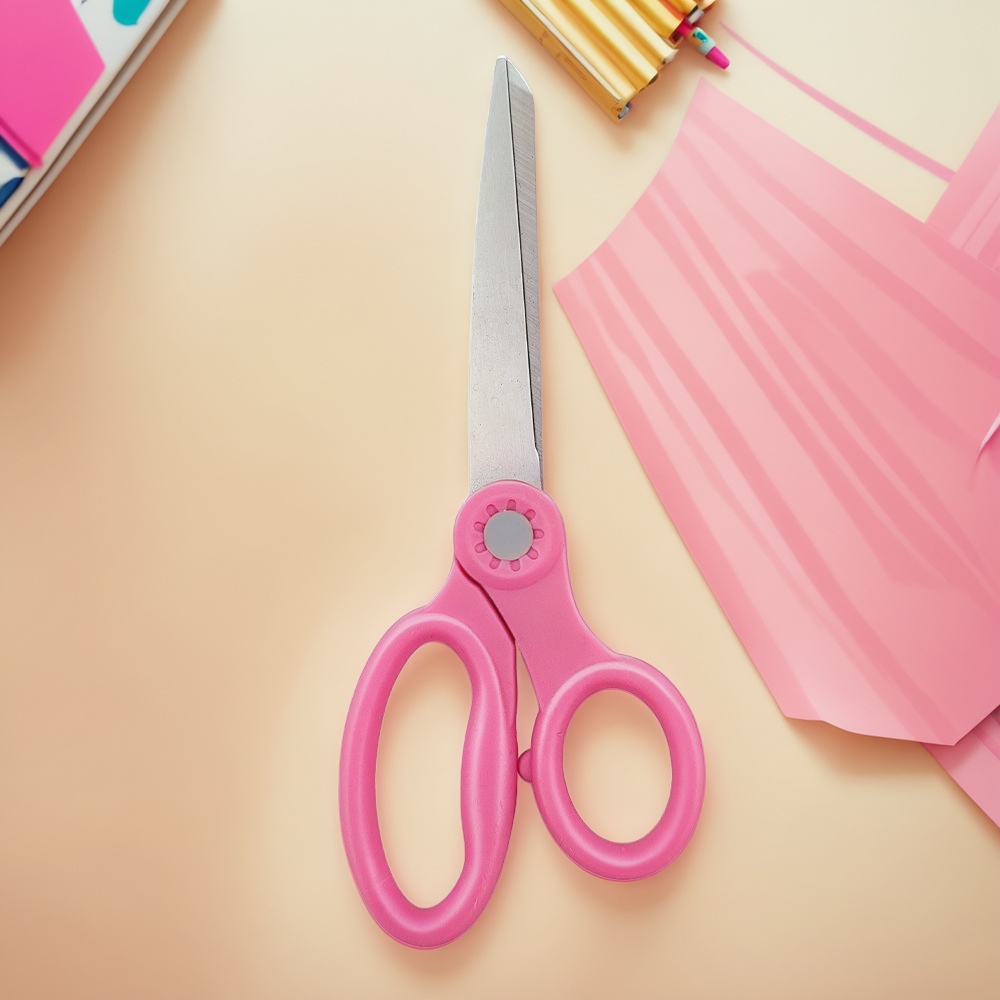
OEM 7in household scissors are a common everyday cutting tool for homes, stationery kits, craft drawers, retail shelves, and promotional product programs. The original product example, described as Pink Precision Scissors, highlights several buyer-relevant details: stainless steel blades, a soft pink ergonomic handle, suitability for both left- and right-handed users, a floral motif at the pivot, and use on materials such as paper, fabric, and ribbons. For sourcing teams, the value is not only how the scissors look, but whether the supplier can consistently deliver safe, comfortable, and reliable scissors that match the intended channel.
OEM household scissors should be evaluated with a balanced view: blade performance, grip comfort, packaging needs, inspection standards, and the supplier’s ability to answer technical questions clearly. Yangjiang is widely associated with knife and scissors production, but buyers should still verify each supplier’s capabilities instead of assuming all products from one region are identical.
Key Takeaways
- Choose 7in household scissors based on the target use: home, school, craft, stationery, retail, or promotional supply.
- Confirm blade material, handle material, pivot construction, packaging, and inspection criteria with the supplier before ordering.
- For OEM projects, ask for samples, artwork guidelines, labeling options, and quality-control documentation.
- Stainless steel blades and ergonomic handles are useful features, but buyers should verify the exact specifications for each production batch.
- Routine cleaning, dry storage, and occasional sharpening help household scissors remain effective.
What Makes 7in Household Scissors Useful?
A 7in size is often practical because it is large enough for general cutting tasks but still compact enough for a drawer, office desk, sewing kit, or classroom supply box. In household use, scissors may cut wrapping paper, coupons, light fabric, ribbon, thread, tags, and packaging. For B2B buyers, this broad use case can make the product suitable for multiple sales channels, but it also means expectations vary by customer group.
Consumers typically notice three things first: whether the scissors cut cleanly, whether the handle feels comfortable, and whether the product looks acceptable for gifting or display. The pink handle and decorative pivot motif described in the original product can support a more giftable or lifestyle-oriented presentation. However, buyers should avoid selecting by color alone. A visually appealing pair of scissors still needs controlled blade alignment, smooth opening and closing, and a secure pivot.
Design and Feature Checks Before Sourcing
The original article notes stainless steel blades, rust resistance, ergonomic shaping, and suitability for left- and right-handed users. These are useful selling points when confirmed by supplier documentation or samples. In sourcing discussions, ask what type of stainless steel is used, what surface treatment is applied, and how corrosion resistance is checked. If the supplier cannot provide a clear answer, treat the claim as unverified until tested.
Handle comfort is another important point. A soft pink handle may appeal to home and craft users, but buyers should check grip thickness, finger-hole size, edge smoothness, and whether the handle remains comfortable after repeated cuts. For retail products, request pre-production samples in the final color and finish, because handle texture and color can differ between sample and mass production if not controlled.
Comparison and Buyer Checklist
| Selection Point | What to Check | Questions to Ask the Supplier |
|---|---|---|
| Blade performance | Clean cutting on paper, ribbons, and light fabric | What blade material and hardness target are used? Can samples be tested before bulk order? |
| Handle comfort | Ergonomic shape, smooth edges, left- and right-hand usability | Is the handle mold standard or customizable for OEM projects? |
| Pivot quality | Smooth opening, no excessive looseness, decorative motif securely applied | How is pivot tension inspected during production? |
| Rust resistance | Blades remain clean with normal household use and dry storage | What corrosion checks or care instructions are provided? |
| OEM packaging | Retail card, blister, box, barcode, instruction insert, or private label | What artwork files, labeling rules, and approval steps are required? |
| Quality control | Consistent appearance, cutting feel, and finish across units | What inspection standards are used before shipment? |
OEM and Wholesale Sourcing Guidance
For OEM household scissors, start with the intended market and price position. A buyer supplying craft stores may prioritize appearance and packaging. A buyer supplying office or household assortments may prioritize durability, simple packaging, and consistent function. A promotional buyer may need custom colors or logo placement. These needs should be written into a specification sheet before supplier quotations are compared.
Useful items to include in a sourcing brief are:
- Target size, such as 7in household scissors.
- Blade material and finish, if known, or a request for supplier recommendations.
- Handle color, texture, and ergonomic requirements.
- Expected cutting materials, such as paper, fabric, ribbon, or light packaging.
- Packaging format and private-label requirements.
- Sample approval process and acceptable quality limits.
- Required markings, warnings, and destination-market labeling questions.
A Yangjiang scissors manufacturer may have experience with household cutting tools, but buyers should still request samples, production photos if available, packaging mockups, and written confirmation of specifications. Avoid relying only on catalog images. The best supplier conversations are specific: ask how the product is inspected, how color consistency is controlled, how blade sharpness is checked, and how defects are handled.
Practical Use and Care Tips
For end users, household scissors last longer when they are matched to the right task. The product described is suitable for everyday materials such as paper, fabric, and ribbons. It should not be treated as a substitute for heavy-duty shears, garden cutters, wire cutters, or kitchen poultry shears unless the supplier specifically states that use case and provides suitable specifications.
After cutting materials with adhesive, wipe the blades clean so residue does not reduce cutting quality. Store scissors dry to help maintain the blade finish. If the scissors begin to fold or snag paper rather than cutting cleanly, they may need careful sharpening or pivot adjustment. For consumer instructions, brands can include simple care guidance on the package to reduce avoidable complaints.
How to Evaluate Samples
Sample review should be more structured than a quick visual check. Open and close each sample repeatedly to feel pivot smoothness. Cut along straight and curved lines on paper. Try ribbon and light fabric if those are part of the intended use. Inspect whether the handle edges are smooth and whether the decorative pivot detail is firmly fitted. Compare multiple samples, not just one, because consistency matters for wholesale orders.
Buyers should also review packaging strength, barcode placement, color accuracy, and carton labeling before approving production. If the scissors will be sold under a private label, confirm whether the supplier can provide artwork templates and whether any product warnings are needed for the destination market. Compliance details vary by market and product positioning, so buyers should ask suppliers and import specialists for the correct requirements instead of assuming.
FAQ
Are 7in household scissors suitable for fabric?
They can be used for light fabric if the blades are sharp and aligned. For thick textiles or professional sewing, buyers may need dedicated tailor scissors or heavier shears.
Can OEM household scissors be made in custom colors?
Many OEM programs may offer color customization, but availability depends on the supplier’s molds, materials, and order requirements. Ask for color samples and final approval before production.
What should wholesale buyers ask before placing an order?
Ask about blade material, handle material, sample lead time, packaging options, inspection standards, labeling requirements, and how the supplier handles defects or specification changes.
Do stainless steel blades mean the scissors will never rust?
No. Stainless steel can improve resistance to corrosion, but care still matters. Keep blades clean and dry, and confirm the supplier’s material and surface-finish details.
How can a buyer compare Yangjiang scissors suppliers?
Compare samples, communication quality, specification transparency, packaging support, quality-control process, and ability to answer OEM questions. Do not choose only by region or lowest quote.
