




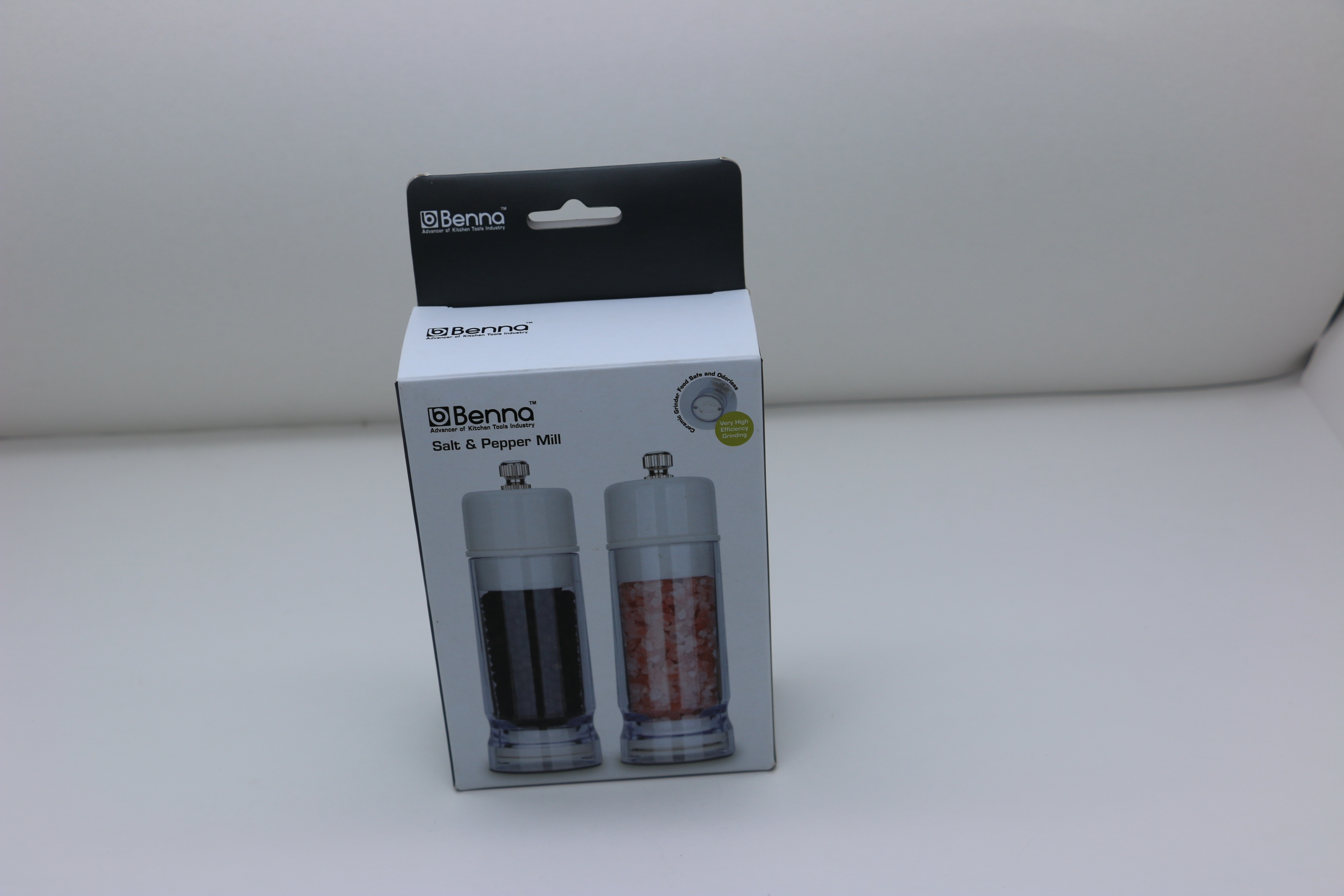
Pepper Grinder Manufacturing: What Buyers Should Know Before Sourcing
Pepper grinder manufacturing brings together component design, material selection, assembly control, and practical user requirements. For retailers, distributors, kitchenware brands, and hospitality buyers, the goal is not simply to find a pepper mill that looks good in a catalog. The better question is whether the grinder can deliver consistent seasoning, withstand normal use, fit the target price position, and be supported by a supplier that communicates clearly.
The original appeal of a pepper mill is simple: freshly ground pepper can offer a more direct aroma and texture than pre-ground seasoning. However, the sourcing process can be less simple. Buyers need to compare grinding mechanisms, body materials, packaging options, quality inspection methods, and customization possibilities without assuming details that are not confirmed. This guide explains the main production considerations and the questions to ask when evaluating pepper mill suppliers.
Key Takeaways
- Start sourcing by defining the sales channel, user group, target size, and expected retail positioning.
- Ask suppliers to confirm grinder mechanism material, body material, adjustment method, and care instructions in writing.
- Request samples and test grind consistency, filling convenience, hand feel, and packaging protection before placing bulk orders.
- Do not rely on broad claims such as “premium” or “eco-friendly” unless the supplier can explain the material, process, and documentation behind them.
How Pepper Mill Production Usually Works
Pepper mill production typically begins with the selection of body materials and the grinding mechanism. The original article notes that common options may include ceramics, woods, and metals. Each option affects weight, appearance, durability expectations, and cost positioning. The body may be shaped, finished, assembled with internal parts, and checked for basic operation before packing.
The grinding mechanism is the functional center of the product. It must crush peppercorns reliably and allow the user to season food without excessive effort. Some models are designed for fine-to-coarse adjustment, while others use a simpler fixed or limited adjustment structure. If adjustable grind settings are important for your market, confirm how adjustment is made, how many practical grind ranges are possible, and whether the setting stays stable during use.
For B2B sourcing, avoid evaluating production only by appearance. A well-finished exterior can still hide weak assembly, poor alignment, or packaging that does not protect the item during transport. Buyers should review samples from the same intended production route, not only showroom pieces.
Comparing Common Pepper Grinder Options
Different market segments need different product choices. A restaurant supply buyer may care most about refill speed and durability, while a giftware buyer may prioritize presentation and a coordinated salt and pepper mill set. The table below provides a practical comparison framework.
| Selection point | What to compare | Questions to ask the supplier |
|---|---|---|
| Grinding mechanism | Ceramic, metal, or other confirmed mechanism types | What is the mechanism material, and is it suitable for pepper only or also for salt? |
| Grind adjustment | Fixed grind, simple adjustment, or wider fine-to-coarse control | How is the grind adjusted, and can samples show the practical range? |
| Body material | Wood, metal, transparent body, or mixed materials | What material is used for each visible and internal part? |
| Refilling design | Top-fill, bottom-fill, screw cap, or removable section | How easy is refilling, and can the opening fit common peppercorn sizes? |
| Packaging | Bulk pack, retail box, gift set, or custom packaging | What packaging has been tested for normal shipping and handling? |
| Customization | Logo, color, body shape, set configuration, or packaging artwork | Which custom options are available, and what are the sample and approval steps? |
Evaluating Pepper Mill Suppliers
Pepper mill suppliers connect factories, brands, retailers, and end users. Some suppliers may focus on standard wholesale items, while others may support OEM or private-label programs. When comparing suppliers, look for clear answers rather than vague assurances. A reliable supplier should be able to explain the product structure, sample process, production lead-time assumptions, inspection approach, and packaging options.
Useful supplier questions include:
- Which parts are made in-house and which parts are sourced from partners?
- Can you provide pre-production samples for approval before mass production?
- What are the available body materials and mechanism options for this model?
- Can the pepper grinder be supplied as a single unit or as a salt and pepper mill set?
- What logo, color, packaging, or transparent body options are available?
- What quality checks are performed before shipment?
- What information should be included in user instructions or care guidance?
If sustainability is important for your buying program, ask for specific details. For example, request information about material source, packaging reduction options, or any available documentation. Do not treat “eco-friendly” as a confirmed fact unless the supplier can support it with clear evidence.
Quality Checks Before Wholesale Orders
Quality control for pepper grinders should reflect real use. Buyers can create a simple sample test before confirming a wholesale order. Fill the grinder, test the adjustment, grind multiple times at different settings, and check whether the output changes as expected. Listen for slipping, uneven resistance, or loose parts. Open and close the filling area several times to see whether the structure feels secure.
Also check visual and packaging quality. Look for scratches, uneven finish, misaligned parts, rough edges, weak caps, or residue inside the mill. For sets, compare the two pieces for consistent color, height, labeling, and packaging fit. If the product will be sold online, packaging protection matters because individual parcels may face more handling than palletized retail shipments.
For larger programs, buyers should ask the supplier how inspections are documented. Rather than requesting unsupported claims, ask practical questions: What is checked during incoming material inspection? What is checked during assembly? Is there a final visual and functional inspection? Can inspection photos or reports be shared for an order?
Customization and OEM Considerations
Customization can be valuable, but it should be managed carefully. Common customization areas include logo placement, color, packaging design, gift set configuration, and in some cases transparent bodies that allow users to monitor remaining peppercorns. The original article mentions adjustable grind settings and transparent bodies as possible supplier options, but availability depends on the specific factory and model.
Before starting an OEM project, prepare a short specification sheet. Include target dimensions if known, preferred material, mechanism expectations, color references, logo file format, packaging style, barcode or labeling needs, and intended sales market. If you do not know the technical details, ask the supplier to propose options and explain the trade-offs.
Buyers should also clarify commercial details without assuming them. Ask about minimum order quantity, sample cost, tooling or setup charges, production lead time, artwork approval process, spare parts policy, and shipping carton details. These items vary by supplier and should be confirmed for the actual model under discussion.
Use and Care Points Buyers Should Communicate
Even for B2B sourcing, user guidance matters because it reduces complaints. Pepper mills should be filled with ingredients suitable for the mechanism as confirmed by the supplier. If a grinder is designed for pepper, do not market it for wet spices or other ingredients unless the supplier confirms suitability. Salt can be more demanding for some mechanisms, so salt use should also be confirmed before selling a mill as a salt grinder.
Basic care instructions may include keeping the grinder dry, avoiding soaking unless the supplier states otherwise, wiping the exterior with a soft cloth, and not forcing the adjustment knob beyond its intended range. These instructions should be reviewed with the supplier and included in packaging or product pages where appropriate.
FAQ
What is the most important part of a pepper grinder?
The grinding mechanism is usually the most important functional part because it determines how peppercorns are crushed and how consistent the grind feels. Buyers should confirm the mechanism material and test samples.
Can one grinder be used for both salt and pepper?
Not always. Salt and pepper have different characteristics. Ask the supplier whether the specific mechanism is suitable for salt, pepper, or both before making product claims.
What should I test in a pepper mill sample?
Test grind adjustment, consistency, ease of refilling, comfort in hand, cap security, finish quality, and packaging protection. For sets, check that both pieces match visually.
Are custom logos and packaging available?
Many pepper mill suppliers may offer customization, but options depend on the product and order details. Ask about artwork requirements, sample approval, MOQ, lead time, and any setup costs.
How can buyers avoid vague supplier claims?
Request written specifications, photos, samples, inspection details, and clear answers to material and performance questions. Treat unverified claims as sales language until supported by evidence.
