




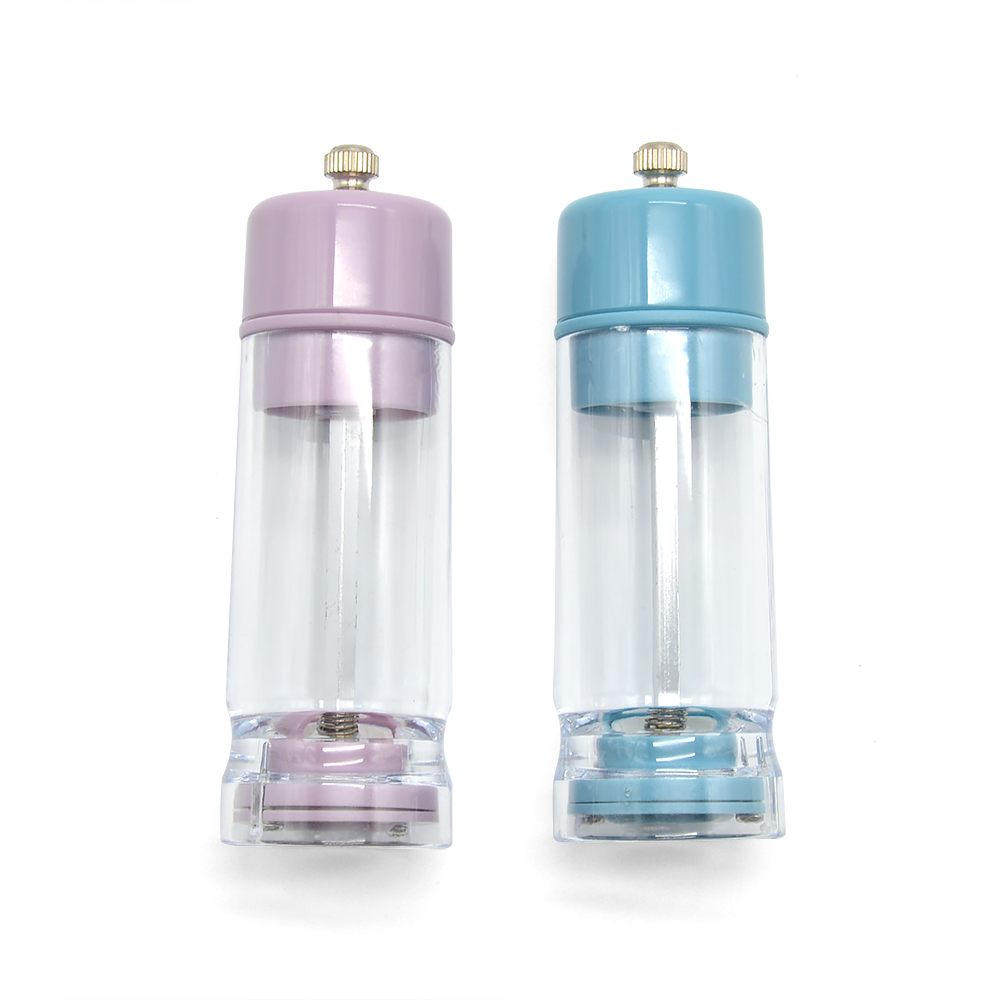
Pepper Grinder Manufacturing: Innovation and Craftsmanship
Pepper grinder manufacturing brings together product design, material selection, precision assembly, and practical kitchen performance. For retailers, importers, brand owners, and wholesale buyers, a pepper mill is not just a simple kitchen accessory. It is a product that must grind consistently, feel comfortable in the hand, remain durable during repeated use, and match the expectations of the target market.
The original idea is straightforward: a pepper grinder breaks peppercorns into fine, medium, or coarse particles so users can enjoy fresher flavor at the table or during cooking. The details behind that simple function are where manufacturing quality matters. A well-made grinder should operate smoothly, allow useful grind adjustment, and be easy for the user to refill and maintain. For B2B sourcing, the goal is to understand how these details are produced, inspected, and communicated before placing an order.
Key Takeaways
- Pepper mill production depends on the grinding mechanism, housing design, adjustment system, and final assembly quality.
- Ceramic grinders are often valued because they resist corrosion and help preserve the aroma of spices.
- Adjustable settings or adjustable nuts allow users to move between finer and coarser grinds.
- Transparent containers can help users monitor spice levels, but buyers should still review durability and sealing quality.
- B2B buyers should ask suppliers clear questions about materials, testing, packaging, spare parts, and quality control rather than assuming specifications.
How Pepper Grinder Manufacturing Works
Most pepper grinder manufacturing starts with product planning. The manufacturer or brand decides the target market, expected retail price, size range, refill method, appearance, and grinding experience. From there, the product is broken into functional parts: the outer body, the storage chamber, the grinding mechanism, the adjustment component, and the cap or knob.
During production, each component must fit the others accurately. If the body is misaligned, the grinder may feel unstable. If the mechanism is poorly positioned, peppercorns may jam or grind unevenly. If the adjustment nut is loose, the grind setting may shift during use. These are not only engineering concerns; they affect consumer reviews, returns, and repeat orders.
After parts are formed, production usually moves to assembly and inspection. Workers or automated stations place the mechanism into the housing, attach the adjustment parts, check rotation, and confirm the product can be filled and operated. For wholesale buyers, it is useful to ask how suppliers separate inline inspection, final inspection, and pre-shipment checks.
The Role of Pepper Mill Suppliers
Pepper mill suppliers connect manufacturers with distributors, retailers, hospitality buyers, and consumer brands. Some suppliers offer finished models, while others may support OEM or private label projects. Their role is not limited to sending a catalog. A capable supplier should help buyers compare construction choices, understand packaging options, and clarify which product details can be customized.
The original article notes that suppliers may offer a wide range of pepper mills, from basic models to higher-end designs. That variety is important because the right grinder for a discount retail line may not be the same as the right grinder for a gift set, hotel tabletop program, or kitchenware brand. Before choosing a supplier, buyers should define the sales channel, user expectations, and quality level they need.
Useful supplier questions include: What materials are used in the grinding mechanism and body? Is the grind adjustable? How is the adjustment tested? Can the supplier provide packaging samples? What checks are performed before shipment? Are replacement parts or after-sales support available? These questions help move the discussion from appearance to performance.
Grinding Mechanisms and Adjustment Details
The grinding mechanism is the heart of the pepper mill. The source article highlights ceramic grinders for corrosion resistance and aroma preservation. Ceramic mechanisms are commonly used in spice mills because they are hard and do not rust. However, buyers should confirm the actual mechanism material with the supplier and request samples for evaluation.
Adjustability is another important feature. Many pepper mills use an adjustable nut or similar control to switch between fine and coarse grinding. For consumers, this makes the grinder more versatile: fine pepper can suit sauces or finishing dishes, while coarse pepper may be preferred for steaks, salads, or marinades. For buyers, the concern is whether the adjustment is stable and intuitive.
When reviewing samples, test the grinder with real peppercorns rather than judging only by appearance. Check whether the mill starts smoothly, whether the grind size changes as expected, and whether the setting remains consistent after repeated turns. A grinder that looks attractive but produces uneven particles may disappoint users.
Design Features Buyers Should Compare
Design choices influence both usability and market positioning. The original article mentions transparent containers, which allow users to monitor spice levels easily. This can be useful in home kitchens and food service settings because users know when a refill is needed. At the same time, transparency should be balanced with durability, comfort, and protection from moisture.
Buyers should compare the whole user experience. Is the grinder easy to grip with dry or slightly oily hands? Is the opening large enough for convenient refilling? Does the cap or top piece stay secure? Is the mill stable when placed on a table? Does the design suit the customer group: practical home users, premium kitchenware buyers, restaurants, or promotional product programs?
| Selection Point | What to Check | Why It Matters |
|---|---|---|
| Grinding mechanism | Ask the supplier to confirm the material and structure | Affects durability, corrosion resistance, and grinding feel |
| Grind adjustment | Test fine, medium, and coarse settings on samples | Ensures the product meets different cooking needs |
| Container visibility | Review transparent or windowed designs if offered | Helps users monitor remaining peppercorn levels |
| Refill method | Open and refill the sample several times | Reduces user frustration and potential returns |
| Packaging | Request packing details and drop-protection information | Protects appearance and function during shipping |
| Quality checks | Ask what inspections are performed before shipment | Supports consistent wholesale and retail supply |
OEM and Wholesale Sourcing Guidance
For OEM, private label, or wholesale pepper grinder projects, preparation is essential. A buyer should not begin only by asking for the lowest price. Instead, prepare a sourcing brief that explains the desired product type, size range, target retail channel, packaging needs, branding requirements, expected order plan, and any market-specific compliance questions that must be addressed.
Because manufacturing details vary by supplier, do not assume minimum order quantities, production capacity, certifications, or test results. Ask for written confirmation. If compliance documents are needed for your market, request copies and verify whether they apply to the exact product model you plan to buy. If the product will contact food, ask the supplier what material declarations or test reports are available and whether they are current for the destination market.
Sample approval is also important. For a new pepper mill supplier, consider reviewing at least one pre-production sample before mass production. Check appearance, operation, packaging, labeling, and carton marking. If your order is large or the sales channel has strict requirements, discuss third-party inspection options or your own acceptance criteria before production starts.
Quality Control Questions for Pepper Mill Production
A practical sourcing process turns quality expectations into clear questions. Ask the supplier how they inspect the grinding mechanism, whether each unit is function-tested, and how they handle defects found during assembly. Ask whether the adjustable nut or setting component is checked for stability. Ask how products are cleaned before packing and whether any loose particles, scratches, or assembly marks are considered unacceptable.
Packaging should also be reviewed. Pepper grinders may have moving parts, clear containers, or surface finishes that can be damaged during transit. Buyers should ask how the supplier protects individual units, how many pieces are packed per carton, and whether the packaging has been evaluated for shipping conditions. These details are especially important for e-commerce, where individual packages may experience more handling.
Practical FAQ
What makes a pepper grinder suitable for wholesale sourcing?
A suitable wholesale pepper grinder should have consistent grinding performance, reliable adjustment, durable construction, practical packaging, and clear supplier documentation. Buyers should confirm these points through samples and written specifications.
Are ceramic grinders a good choice for pepper mills?
Ceramic grinders are commonly valued for corrosion resistance and for helping preserve spice aroma. However, buyers should confirm the exact mechanism material and test samples before selecting a model.
What should buyers ask a pepper mill supplier before ordering?
Ask about materials, adjustment method, available packaging, inspection process, lead time, customization options, documentation, replacement parts, and how defects are handled. For regulated markets, ask what compliance information is available for the exact model.
Why are adjustable grind settings important?
Adjustable settings allow users to choose finer or coarser pepper depending on the dish. For buyers, the adjustment should be easy to use and stable after repeated grinding.
How can a buyer evaluate a pepper grinder sample?
Fill it with peppercorns, test several grind settings, check comfort, review refill convenience, inspect surface quality, and confirm the packaging protects the item. Document any concerns before approving production.
Conclusion
Pepper grinder manufacturing combines craftsmanship with functional engineering. The best sourcing decisions come from looking beyond the surface and checking how the grinder performs in real use. For B2B buyers, pepper mill suppliers should be evaluated on communication, sample quality, production control, packaging, and documentation as well as product appearance. By asking precise questions and testing samples carefully, buyers can select pepper mills that meet customer expectations and support reliable long-term supply.
