




Pepper Jar Manufacturing: How to Source Practical Spice Containers
Pepper jars and grinders look simple on the table, but their manufacturing quality affects daily usability, refill convenience, grinding consistency, and product returns. For retailers, hospitality buyers, promotional product companies, and kitchenware importers, the goal is not only to find an attractive spice container. It is to source a product that feels reliable, protects spices, and can be produced consistently by a capable supplier.
This guide rewrites the topic from a sourcing perspective. It explains the main parts of a pepper jar, useful customization choices, and the questions buyers should ask before placing an OEM, wholesale, or private label order.
Key Takeaways
- Transparent acrylic or glass bodies help users check the remaining spice level without opening the jar.
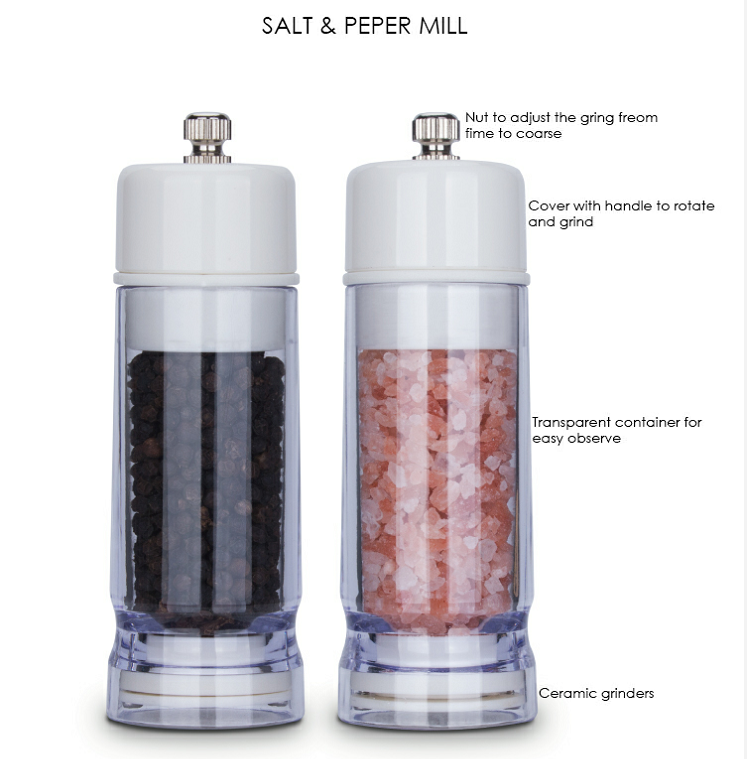
- An adjustable nut can allow the user to change the grind from fine powder to coarser flakes, depending on the product design.
- Ceramic grinding mechanisms are valued because they can provide stable grinding performance and resist corrosion.
- Customization should improve usability first, then appearance, packaging, and brand presentation.
- B2B buyers should confirm materials, samples, tolerances, packaging tests, and compliance documents directly with the supplier.
Understanding the Pepper Jar Manufacturing Process
Pepper jar manufacturing combines container production, mechanism assembly, finishing, and packaging. The container must hold peppercorns or other spices securely, while the grinding mechanism must crush and release seasoning smoothly. A good product also needs to be easy to refill, comfortable to hold, and simple to clean around the opening and cap.
In many spice container designs, the body is made from transparent acrylic or glass. This visibility is useful for both household and professional users because it shows when peppercorns or salt need refilling. The grinder section may include an adjustable nut that controls the distance inside the mechanism. When adjusted correctly, it can help users switch between a finer grind and a coarser texture.
For buyers, the manufacturing process should be evaluated as a system rather than as separate parts. A beautiful jar can still fail if the cap loosens, the grinder clogs, or the refill opening is inconvenient. Requesting samples and testing them with real peppercorns is one of the most practical ways to judge performance.
Core Components to Review Before Sourcing
| Component or Check | Why It Matters | Questions to Ask a Supplier |
|---|---|---|
| Body material | Acrylic or glass can provide visibility, but each has different weight, feel, and breakage considerations. | What material options are available, and can the supplier provide material documentation? |
| Grinding mechanism | The mechanism determines consistency, effort, and long-term user satisfaction. | Is the grinder ceramic, metal, or another material, and what spices is it intended for? |
| Adjustment system | An adjustable nut can support fine-to-coarse grinding when properly designed. | How is the grind adjusted, and will the supplier provide working samples for testing? |
| Refill design | A practical refill opening reduces mess and user frustration. | How does the jar open, and is the seal secure after repeated refills? |
| Packaging | Kitchenware may be damaged in transport if packaging is not suitable. | Can the supplier recommend packaging for retail shelves, e-commerce, or bulk shipment? |
Material Choices: Acrylic, Glass, and Grinder Mechanisms
The original article highlights transparent acrylic or glass bodies, both of which are common choices for spice containers. Acrylic is often selected when buyers want a clear, lightweight look, while glass may be preferred for its weight and traditional appearance. The right choice depends on the target market, shipping method, retail price point, and customer expectations.
The grinder is equally important. A ceramic grinder is a useful feature because it can deliver consistent grinding and is not prone to corrosion. This can be especially relevant when a product is used not only for black peppercorns but also for certain salts. However, buyers should not assume that every ceramic mechanism performs the same. Ask for samples, grind different spice sizes, and check whether the adjustment remains stable after repeated use.
Other details deserve attention too: the tightness of the cap, the fit between the body and grinder head, the smoothness of the adjustment nut, and whether any loose particles appear after operation. These small observations often reveal whether a pepper jar is ready for retail sale.
Customization Options for Private Label and OEM Orders
Custom pepper jars can support a brand story, a retail range, or a hospitality program. Customization may include body shape, color accents, handle ergonomics, packaging artwork, or a design intended to match a kitchen theme. The original article mentions ergonomic handles and vibrant colors as possible custom directions, and these remain practical options when they improve grip and recognition.
Some buyers also develop coordinated sets, such as pairing pink Himalayan salt with black peppercorns. This can create a clear visual contrast in transparent containers. When planning sets, ask whether the supplier can keep the appearance, dimensions, and packaging consistent across different spice types.
Useful customization questions include:
- Which parts of the pepper jar can be customized without changing the core tooling?
- What artwork format is required for logo printing or packaging design?
- Can the supplier provide pre-production samples before mass production?
- How will color consistency be checked across repeat orders?
- Are there limitations on the spices that the grinder can handle?
Quality Checks That Reduce B2B Risk
Before committing to a large order, buyers should create a simple inspection checklist. The aim is to verify that the product works as expected and that the supplier understands the buyer’s market requirements. Avoid relying only on catalog photos. A pepper jar is a hands-on product, so handling tests matter.
Check the jar for scratches, uneven seams, loose caps, uncomfortable edges, and visible defects. Fill it with peppercorns and test several grind settings. Turn the adjustable nut from fine to coarse and back again. Confirm whether the grinder produces a reasonably consistent result and whether the setting drifts during use. If the product will be shipped through e-commerce channels, discuss drop protection and packaging strength with the supplier.
Commercial details should be confirmed in writing. Instead of assuming minimum order quantity, lead time, certification status, or testing results, ask the supplier to provide the latest information and supporting documents for the exact product model you plan to buy.
How to Compare Pepper Jar Suppliers
A suitable pepper jar supplier should be able to explain materials, assembly, customization limits, sample timing, packaging choices, and inspection procedures. Fast communication is helpful, but clear technical answers are more important. If a supplier cannot explain the grinder mechanism or the difference between available materials, it may be difficult to resolve quality issues later.
For OEM or wholesale sourcing, compare suppliers on the basis of samples rather than promises. Ask each potential supplier to quote the same specification so that pricing, packaging, and customization are comparable. If any details are missing, list them as open questions rather than making assumptions.
A practical supplier comparison should include product performance, appearance, packaging, responsiveness, documentation, and the supplier’s willingness to correct issues found during sampling. This approach helps buyers avoid choosing only the lowest unit price while overlooking factors that affect customer satisfaction.
Practical FAQ
What is the most important part of a pepper jar?
The grinder mechanism is usually the most important functional part because it controls grind consistency and ease of use. The body, cap, and refill design are also important for durability and convenience.
Is a transparent pepper jar better?
A transparent acrylic or glass body is useful because users can see the remaining spice level. Whether it is better depends on the buyer’s preferred weight, appearance, shipping needs, and retail positioning.
What should buyers test in a sample?
Test the refill process, cap tightness, grind adjustment, grinding effort, surface finish, and packaging. Use real peppercorns or the intended spice rather than judging the item empty.
Can pepper jars be customized for a brand?
Yes, many pepper jars can be customized through color, shape, ergonomic details, logo application, or packaging. Buyers should ask the supplier which changes are available for the selected model.
What information should a supplier provide?
Ask for material options, sample availability, packaging details, quality control steps, available documentation, production lead time, and MOQ for the exact product. Do not assume these details without confirmation.
