




Pepper Shaker Manufacturing: A Practical Guide for B2B Buyers
Pepper shakers, spice jars, and salt and pepper grinder sets are small products, but they involve many sourcing decisions. A buyer may need to compare materials, sealing performance, grinder mechanisms, decoration options, packaging, and supplier communication before placing an OEM or wholesale order. The goal is not only to find a container that looks acceptable, but to source a product that is practical for daily seasoning, easy to fill, and consistent across production batches.
The original discussion of pepper shaker manufacturing highlighted several useful points: common materials can include plastic, ceramic, and metal; spice container production often focuses on sealing and durability; and customized designs may include branding, adjustable grinders, transparent bodies, ergonomic handles, or ceramic grinding mechanisms. This expanded guide turns those ideas into a more practical sourcing checklist for importers, distributors, kitchenware brands, hospitality buyers, and promotional product teams.
How Pepper Shakers and Spice Containers Are Typically Made
Manufacturing methods vary by design. A simple shaker may use a molded plastic or metal body with a perforated cap, while a grinder set may require multiple components: a container body, top cover, grinding core, adjustment nut, handle or turning mechanism, and closure parts. Ceramic, metal, and plastic are all used in the category, depending on the intended price point, appearance, and use case.
For B2B buyers, the key is to understand which parts are standard and which parts require custom tooling. A standard container shape with custom logo printing may be relatively straightforward. A new ergonomic handle, special lid structure, or unique grinder housing may require more engineering discussion. Before asking for a quotation, prepare drawings, reference samples, target markets, estimated order volume, and packaging expectations.
Material Choices: What Buyers Should Clarify
Material selection affects weight, appearance, durability, cost, and user experience. The source article mentioned plastic, ceramic, and metal as common raw materials in spice container production. Buyers should not assume that all products in these material families perform the same. A plastic lid, a transparent body, a metal cap, and a ceramic grinder core all need separate confirmation.
| Component or option | What to check with the supplier | Why it matters |
|---|---|---|
| Container body | Ask whether it is plastic, glass, metal, ceramic, or another material. | Influences visibility, weight, breakage risk, and shelf appearance. |
| Cap or lid | Confirm fit, opening style, finish, and how it is attached. | A loose cap can cause spills or poor user satisfaction. |
| Seal design | Ask how the lid helps protect spices from moisture and air exposure. | Sealing is important for freshness and retail complaints. |
| Grinder mechanism | Confirm whether it is adjustable and what material the grinding core uses. | Determines whether users can choose fine or coarse grinding. |
| Decoration | Ask about logo method, color matching, engraving, or label application. | Branding must remain legible and consistent in bulk production. |
| Packaging | Request carton, inner box, retail box, and protective packing details. | Packaging affects freight damage and retail presentation. |
Customization Options for OEM Pepper Shakers
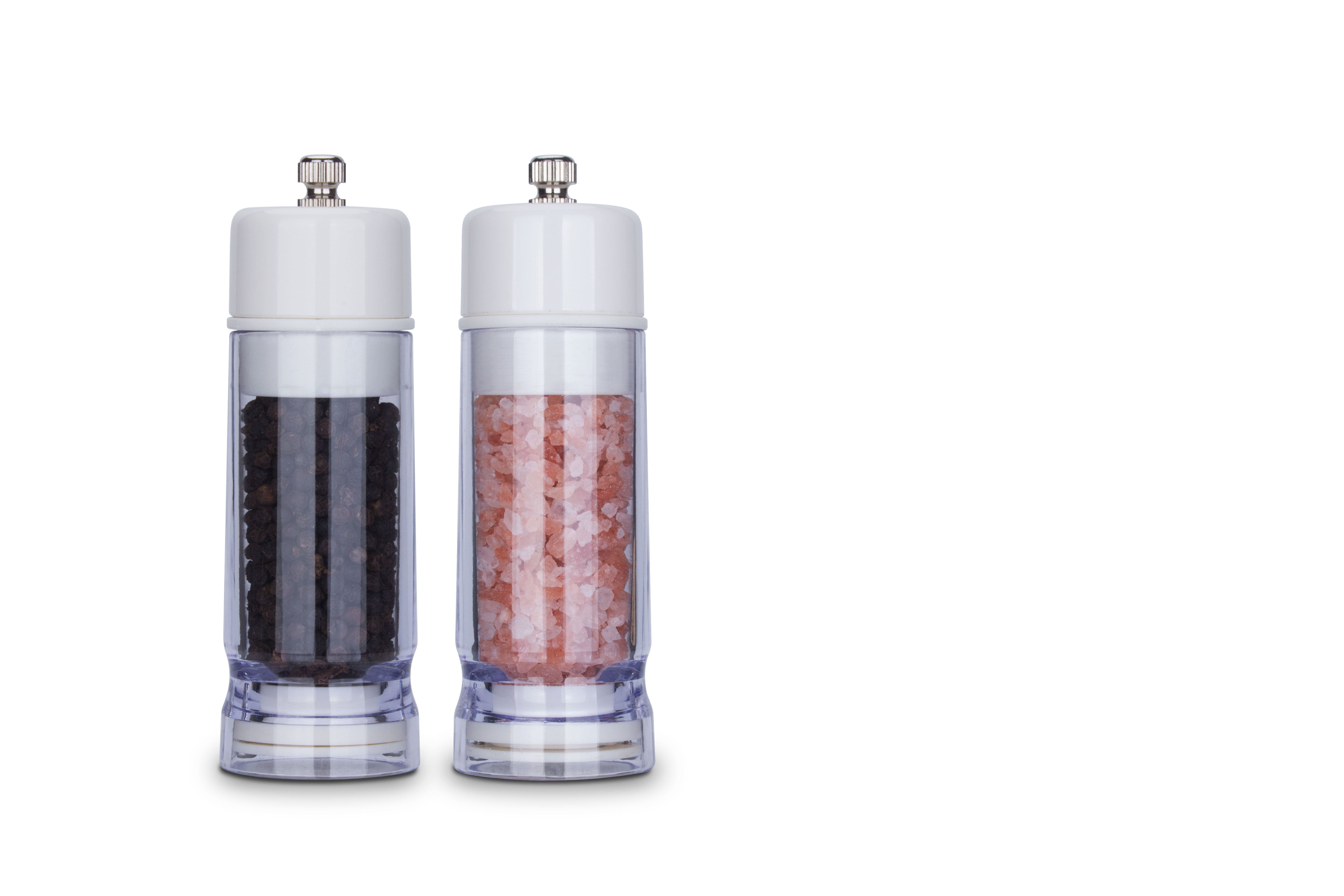
Custom pepper shakers can range from a simple branded cap to a fully customized grinder set. The original article gave an example of a salt and pepper grinder set with smooth white lids, ergonomic handles, transparent containers for viewing remaining contents, an adjustable nut for fine-to-coarse grinding, and a ceramic grinder. Those features are useful examples of what a buyer might request, but they should still be confirmed in supplier samples and production specifications.
Common customization paths include:
- Logo printing, labeling, embossing, or engraving for retail and promotional use.
- Color changes for lids, handles, caps, or packaging to match a brand line.
- Transparent container designs that help users see the remaining spice level.
- Adjustable grinder settings for customers who want fine, medium, or coarse output.
- Ergonomic handles or turning tops designed for easier use in home or food-service kitchens.
- Gift sets, paired salt and pepper products, or multi-spice packaging formats.
When discussing customization, ask the supplier which changes are available on existing molds and which changes require new tooling. Also ask for pre-production samples before approving a large order, especially if the product includes moving parts.
Sealing, Freshness, and Everyday Usability
Spice containers are expected to protect the contents while remaining easy to use. A shaker that clogs, leaks, or allows too much moisture inside can create problems for retailers and end users. The manufacturing process therefore often pays close attention to lid fit, hole size, closure tightness, and the way parts align during assembly.
For grinder products, usability also includes the smoothness of the turning action and the consistency of the grind. If an adjustable nut is included, test whether it stays in place after repeated use. For transparent containers, check whether the body is easy to view, fill, and clean. For handles or wide tops, evaluate whether users can grip them comfortably with dry or slightly damp hands.
Quality Checks to Request Before Wholesale Orders
A supplier may use automation to improve efficiency, but buyers should still define inspection expectations. Avoid vague requirements such as “good quality” and instead request measurable checks. If your market has specific regulatory or retailer requirements, raise them early and ask the supplier what documentation or testing can be provided. Do not assume certifications or test results unless the supplier supplies them for the exact product.
Useful inspection points include:
- Visual appearance: color consistency, scratches, dents, stains, or molding marks.
- Assembly: cap tightness, grinder alignment, handle stability, and moving-part fit.
- Function: shaker flow, grinder operation, and adjustment performance if applicable.
- Sealing: basic leakage or moisture-resistance evaluation appropriate to the design.
- Packaging: barcode position, labeling, carton strength, and protection during transit.
- Batch consistency: compare production units against the approved sample.
Buyers should also ask how defects are classified, what the acceptable quality limit is, and how the supplier handles nonconforming goods. These questions are commercial and operational; they should be documented in the purchase order or quality agreement.
Questions to Ask a Pepper Shaker Supplier
Before selecting a pepper shaker manufacturer or spice container supplier, prepare a structured supplier questionnaire. This helps avoid misunderstandings and makes quotations easier to compare.
- Which materials are used for each component of the product?
- Are the current molds available for private label or OEM customization?
- Can the product support branding such as printing, engraving, or custom packaging?
- Is the grinder adjustable, and how should the user change the grind size?
- Can samples be provided before mass production?
- What packaging options are available for wholesale, retail, or gift sets?
- What quality checks are performed during and after production?
- What commercial details should be confirmed, including MOQ, lead time, payment terms, and after-sales handling?
Key Takeaways
Pepper shaker manufacturing is a detail-driven category. Materials, sealing, lid fit, grinder design, and customization all influence the final user experience. For B2B buyers, the safest approach is to define the product clearly, request samples, confirm quality checks, and document all commercial details before production. If the order involves custom pepper shakers, clarify which elements are standard and which require tooling or additional development.
FAQ
What is the difference between a pepper shaker and a pepper grinder?
A shaker usually dispenses pre-ground pepper through small holes. A grinder includes a mechanism that crushes whole peppercorns, sometimes with an adjustable setting for fine or coarse grinding.
Can pepper shakers be customized for private label orders?
Often yes, depending on the supplier and product structure. Common options include logo decoration, color changes, labels, packaging, and sometimes custom shapes or handles. Buyers should ask what requires new tooling.
Why is sealing important for spice containers?
Sealing helps reduce exposure to moisture and air, which can affect spice freshness and flow. Buyers should check cap fit and closure design during sample review.
What should buyers confirm before approving mass production?
Confirm materials, dimensions, color, branding, packaging, grinder function, approved samples, inspection standards, MOQ, lead time, and the process for handling defects or shipment damage.
