




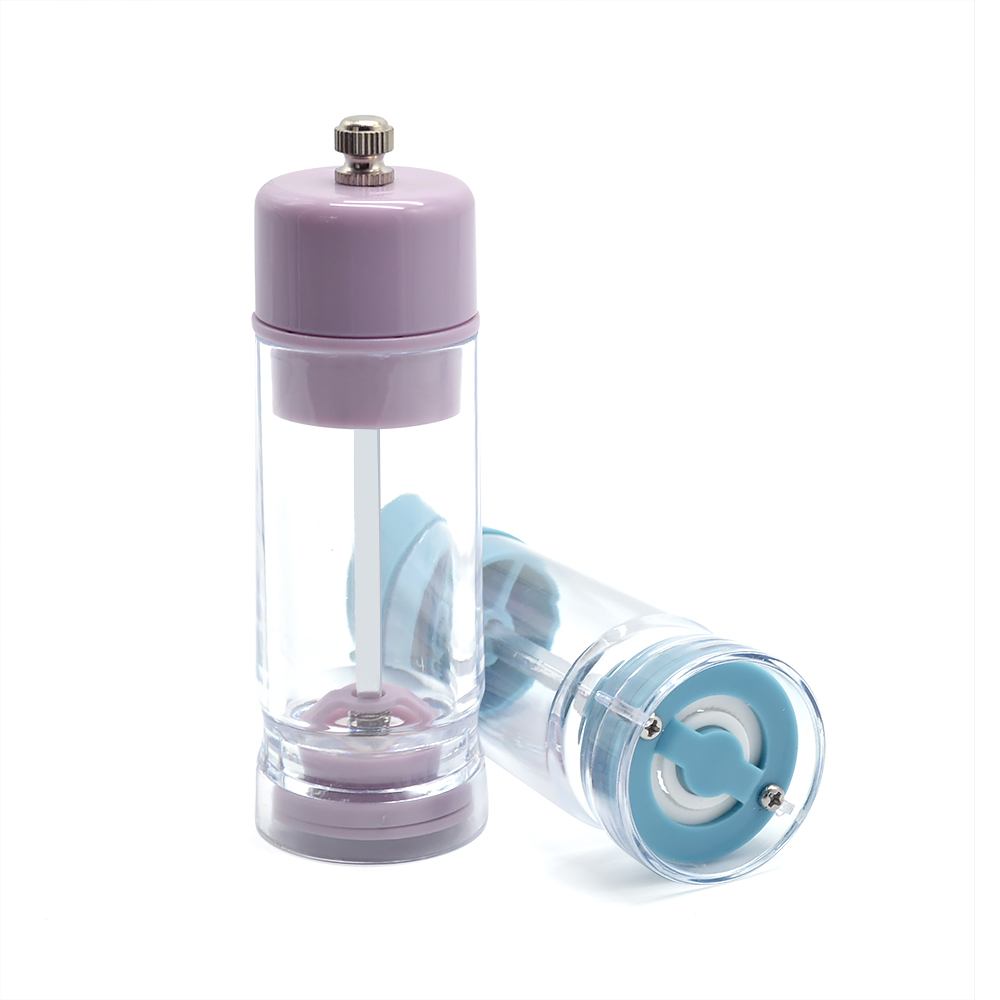
Pepper Jar Manufacturing: How to Source Better Spice Containers
Pepper jars and pepper grinders look simple on the dining table, but manufacturing them well requires careful decisions about materials, forming, assembly, adjustment, filling access, and inspection. For B2B buyers, importers, retailers, and hospitality purchasers, the goal is not only to find an attractive spice container. The goal is to source a product that feels reliable in daily use, protects the contents, fits the target price point, and can be produced consistently by a qualified supplier.
This guide explains the main stages of pepper jar manufacturing and turns the topic into practical sourcing criteria. It preserves the core ideas behind modern pepper jar production: clear containers are often made from materials such as acrylic or glass, adjustable grinder designs are common, ceramic grinder components are valued for rust resistance and grind consistency, and customization may include engraving, unique shapes, brand elements, prototyping, or hand-finished details. Before placing an order, buyers should confirm every commercial and technical detail directly with the factory or supplier.
Key Takeaways
- Pepper jar quality depends on the container body, grinder mechanism, adjustment system, assembly accuracy, and finishing.
- Transparent acrylic or glass can help users see the remaining spice level, but buyers should confirm material details, thickness, and durability.
- Ceramic grinders are commonly used because they resist rust and can support a range of grind sizes, but performance should be verified with samples.
- Custom pepper jars may include engraving, special shapes, brand elements, or prototype development, but tooling, lead time, and artwork rules must be discussed early.
- A reliable sourcing process should include sample review, functional testing, packaging checks, and clear written specifications.
What Pepper Jar Manufacturing Involves
Pepper jar manufacturing combines container production with mechanical assembly. A basic pepper jar may simply store and dispense ground pepper, while a pepper grinder adds a grinding mechanism that breaks whole peppercorns into fine or coarse particles. In either case, the product needs to be comfortable to hold, easy to refill, stable on a table, and resistant to normal kitchen use.
The manufacturing process usually begins with product design. The supplier confirms the size, shape, visual style, material choice, closure system, grinder structure, and any branding requirements. After that, the factory may produce tooling or samples, form the container body, prepare grinder parts, assemble the product, and conduct inspections. For custom products, the process may also include prototype development, such as 3D printed samples, before mass production begins.
Container Materials: Acrylic, Glass, and Visibility
The original article notes that high-quality acrylic or glass is often used for transparent spice containers. Transparency is useful because consumers can quickly check how much pepper remains and decide when to refill. For retail and foodservice buyers, visibility also helps display the spice color and makes the product easier to understand at a glance.
However, buyers should avoid assuming that all acrylic or glass containers perform the same way. Important questions include: What exact material is being proposed? How thick is the container wall? Is the surface prone to scratching? How does the body handle drops, vibration during shipping, or repeated refilling? If the product will be sold in a specific market, buyers should ask the supplier what documents or test reports can be provided for the intended use and destination.
Grinder Mechanisms and Grind Adjustment
Many pepper jars include an adjustable grinding mechanism. The original article highlights ceramic grinders because they are rust-resistant and can produce grind results from fine powder to coarse flakes. In sourcing terms, the grinder mechanism is one of the most important parts of the product. A jar may look appealing, but if the grinder jams, turns unevenly, or produces inconsistent particles, customers will notice quickly.
Buyers should test samples with the actual peppercorn size they expect consumers to use. Check whether the turning action is smooth, whether the adjustment nut or control system is easy to understand, and whether the selected grind setting remains stable during use. If the design uses a rotating handle or top nut adjustment, confirm that the parts do not loosen too easily and that users can refill the jar without damaging the mechanism.
Comparison Checklist for Supplier Evaluation
| Area to Check | What to Review | Questions to Ask the Supplier |
|---|---|---|
| Material | Acrylic, glass, or other specified body material | What material is used, and can you provide material documentation if required? |
| Transparency | Clarity, scratch resistance, and visibility of spice level | How does the container perform after repeated handling and cleaning? |
| Grinder | Ceramic or other grinding component, smooth rotation, particle consistency | Can samples be tested with fine, medium, and coarse settings? |
| Adjustment | Top nut, rotating handle, or other control method | Does the adjustment stay fixed during regular use? |
| Customization | Engraving, shape, color, branding, packaging | What artwork format, tooling, sample process, and approval steps are needed? |
| Inspection | Appearance, assembly, refill function, packaging protection | What quality checks are performed before shipment? |
Custom Pepper Jars for OEM and Branding Projects
Custom pepper jars are often requested for private label, gift sets, hospitality use, or premium kitchen ranges. Customization can include engraving, unique shapes, brand elements, special finishes, or product sets such as salt and pepper grinder pairs. The original article also mentions advanced customization methods such as 3D printed prototypes and hand-finished components, both of which can be useful when buyers need to confirm appearance and ergonomics before committing to production.
For OEM projects, clarity at the briefing stage is essential. Buyers should prepare target dimensions, reference photos, logo artwork, color requirements, packaging expectations, and any market-specific labeling needs. If a buyer wants a minimalist grinder set with a rotating handle and adjustable top nut, those details should be written into the specification sheet. Do not rely only on verbal descriptions or catalog photos.
Quality Control Points That Matter
Quality in pepper jar manufacturing is not only about appearance. A well-made spice container should assemble cleanly, stand level, open and close without excessive force, and keep its grinding or dispensing function consistent. The original article correctly emphasizes that quality control helps ensure the container can withstand daily use while preserving the spice experience.
Useful inspection points include surface defects, cracks, loose parts, sharp edges, unstable bases, blocked openings, poor grinder alignment, and packaging damage risk. Buyers should ask whether the supplier can provide pre-production samples and whether production samples will match the approved version. If the order is large or the product is new, consider third-party inspection or a detailed internal inspection checklist before shipment.
Practical Sourcing Advice for B2B Buyers
- Start with use case: Decide whether the product is for retail shelves, restaurants, promotional gifts, or private label kitchenware.
- Request real samples: Photos cannot show grinder smoothness, refill convenience, or material feel.
- Define specifications: Record material, dimensions, grinder type, adjustment style, branding, packaging, and acceptable tolerances.
- Test the product: Try fine and coarse grinding, repeated refilling, cleaning, and normal table use.
- Clarify commercial terms: Ask about MOQ, lead time, sample cost, tooling cost, payment terms, packaging options, and after-sales handling.
- Confirm compliance needs: Tell the supplier your sales market and ask what documentation can be provided instead of assuming suitability.
Use and Care Considerations to Build Into the Design
Even for B2B sourcing, consumer use matters. A pepper jar should be easy to refill without spilling, simple to adjust, and intuitive for people who do not read instructions carefully. If the body is transparent, the design should make the refill level visible from a normal viewing angle. If a grinder is adjustable, the control markings or structure should be easy to understand.
Buyers should also consider care instructions. Can the container be wiped clean easily? Are there small crevices that trap pepper dust? Should users avoid soaking the grinder mechanism? These points can influence packaging copy, instruction sheets, and customer satisfaction after purchase.
FAQ
What materials are commonly used for pepper jar bodies?
Transparent acrylic or glass is often used because it lets users see the remaining spice level. Buyers should confirm exact material details with the supplier.
Are ceramic grinders better for pepper jars?
Ceramic grinders are widely used because they resist rust and can support consistent grinding. Sample testing is still necessary to confirm performance.
Can pepper jars be customized for private label orders?
Yes, customization may include engraving, unique shapes, brand elements, special packaging, or prototype development. Buyers should confirm tooling, artwork, and lead time requirements.
What should buyers check before placing a wholesale order?
Review samples, grinder function, material quality, refill convenience, packaging protection, inspection standards, MOQ, lead time, and any required documentation for the target market.
How can buyers avoid inconsistent production quality?
Use a written specification sheet, approve a pre-production sample, define inspection criteria, and ask the supplier how quality is controlled before shipment.
