




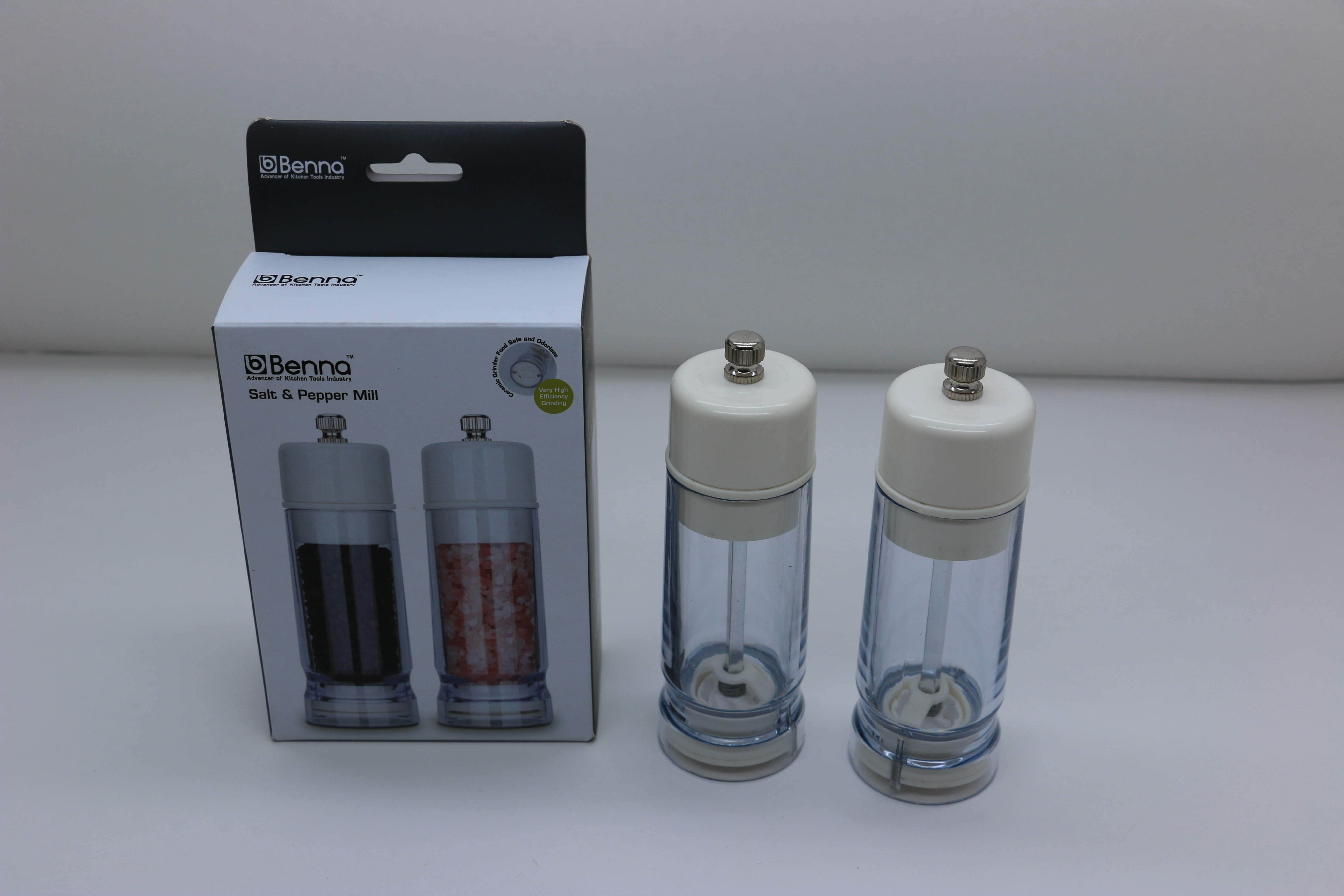
Pepper Jar Manufacturing: Building Better Spice Containers
Pepper jars, shakers, and grinders look simple on a kitchen table, but manufacturing them well requires careful decisions about structure, usability, filling, grinding, sealing, and appearance. For B2B buyers sourcing spice containers, the goal is not only to find an attractive product. The product must also feel reliable in daily use, protect the spice, dispense consistently, and match the needs of the target market.
This guide rewrites the topic from a sourcing and product-development perspective. It explains the key stages of pepper jar manufacturing, common feature choices, quality checkpoints, and practical questions to ask a potential supplier before placing an order.
Key Takeaways
- Pepper jar quality depends on both the container body and the dispensing or grinding mechanism.
- Transparent bodies can help users see the remaining spice level, but buyers should still confirm durability and cleaning requirements.
- Ceramic grinders are commonly valued for corrosion resistance and stable grinding performance, but exact specifications should be confirmed with the supplier.
- Customization can include materials, finish, engraving, handle design, and adjustable grind settings.
- B2B buyers should request samples and clarify packaging, quality inspection, compliance needs, and commercial terms before ordering.
How Pepper Jars Are Manufactured
The manufacturing process usually begins with product design. A supplier or brand owner defines the product type: a simple pepper shaker, a refillable spice jar, a manual pepper grinder, or a salt and pepper grinder set. Each format has different requirements for the lid, body, refill opening, and dispensing method.
After design confirmation, the manufacturer selects suitable materials and forms the main parts. Depending on the design, this may include a transparent jar body, a top cap, a rotating handle, an inner grinding mechanism, a sealing part, and decorative components. Assembly is then carried out so the container can hold spice securely while remaining easy to use.
For grinders, the mechanism is central to performance. A poorly aligned grinder can feel rough, produce uneven particles, or become difficult to adjust. For shakers, hole size and lid fit matter more. In both cases, the finished product should be checked for fit, stability, ease of refilling, and safe handling.
Spice Container Design: Function Comes First
A good pepper jar should make seasoning easier, not more complicated. The container must be comfortable to hold, simple to refill, and suitable for repeated kitchen use. User convenience is especially important for restaurants, retail spice brands, promotional product buyers, and homeware distributors.
One useful design option is a transparent body. The original article noted that transparent materials allow users to see how much spice remains. This is practical in both home and food-service settings because the user can refill before the jar is empty. However, buyers should ask what the transparent section is made from, how it resists scratching, and whether it is suitable for the intended use environment.
For pepper grinders, adjustable grind settings can be valuable because users may want fine seasoning for sauces and coarse pepper for steaks or salads. Some designs use an adjustable nut or similar control point. Buyers should test whether the adjustment feels clear and repeatable rather than relying only on product photos.
Common Manufacturing Choices to Compare
Before selecting a pepper jar supplier, compare design choices side by side. The best option depends on the sales channel, price position, customer expectations, and packaging plan.
| Decision Area | What to Check | Why It Matters |
|---|---|---|
| Container body | Transparency, wall thickness, shape, refill access | Affects visibility, handling, and perceived quality |
| Grinding mechanism | Material, adjustment method, smooth rotation | Controls grind consistency and user experience |
| Lid or cap fit | Tightness, alignment, ease of opening | Helps prevent mess and supports convenient refilling |
| Customization | Color, finish, engraving, packaging options | Supports private label, retail, or promotional programs |
| Quality inspection | Visual checks, function checks, sample approval | Reduces the risk of inconsistent batches |
| Commercial details | MOQ, lead time, payment terms, shipping method | Determines whether the supplier fits the buying plan |
Custom Pepper Jars and Private Label Options
Customization is a major reason buyers look for a pepper jar manufacturer rather than purchasing only stock items. Custom pepper jars can be adapted to a kitchen style, retail brand, gift set, or hospitality program. The original article mentioned adjustable grinding settings, ergonomic handles, material selection, and engraving as customization directions. These are useful areas to discuss with a supplier.
For example, an elegant salt and pepper grinder set may use a modern design, a transparent jar body for viewing contents, a ceramic grinder, and a smooth rotating handle. Those features should still be confirmed through samples. A product that looks good in a catalog may feel different in the hand, especially if the handle is too small, the grinder is too stiff, or the refill opening is inconvenient.
When requesting custom development, provide the supplier with a clear brief. Include target market, expected retail channel, approximate size, preferred materials, logo placement, packaging style, and any performance expectations. If you need engraving, color matching, or special packaging, ask whether the supplier can provide samples before mass production.
Quality Factors That Matter in Pepper Jar Manufacturing
Quality is not limited to appearance. A pepper jar may look polished but fail in daily use if the cap loosens, the grinder jams, or the body is difficult to clean. For B2B sourcing, quality should be discussed as a set of measurable checks.
- Function check: Does the grinder rotate smoothly and dispense pepper consistently?
- Adjustment check: If adjustable, does the grind setting change clearly from fine to coarse?
- Assembly check: Are the lid, body, and handle aligned without obvious looseness?
- Refill check: Can the user open and refill the container without spilling?
- Visual check: Are there scratches, color differences, rough edges, or visible defects?
- Packaging check: Is the product protected against rubbing, breakage, or movement during transport?
Some buyers may also need market-specific compliance information. Do not assume certifications, testing results, or food-contact documentation are available. Ask the supplier which documents they can provide, which standards they are designed to meet, and whether third-party testing is required for your destination market.
Questions to Ask a Pepper Jar Supplier
A professional supplier conversation should go beyond unit price. Use questions that reveal whether the manufacturer understands your product requirements and order risks.
- Which pepper jar or grinder designs are currently available for sampling?
- What materials are used for the body, lid, and grinding mechanism?
- Is the grinder ceramic, metal, or another material, and how is it adjusted?
- Can the product be customized with logo engraving, color changes, or retail packaging?
- What is the minimum order quantity for standard and customized versions?
- What quality inspections are performed before shipment?
- Can you provide packaging drop-test information or transit protection recommendations?
- What lead time should be expected for samples and bulk production?
- Which compliance documents or test reports are available, if any?
Practical FAQ
What is the difference between a pepper jar and a pepper grinder?
A pepper jar may simply store or dispense spice through a lid, while a pepper grinder includes a mechanism that crushes whole peppercorns. Grinders require more attention to mechanism quality and adjustment.
Are transparent spice containers always better?
Not always. Transparency helps users see the remaining spice level, but buyers should also evaluate durability, cleaning, scratch resistance, and the overall design.
Why are ceramic grinders often mentioned?
Ceramic grinder parts are commonly associated with corrosion resistance and stable grinding. Buyers should still confirm the exact material, structure, and performance through supplier specifications and samples.
Can pepper jars be customized for private label programs?
Yes, many sourcing projects include customization such as logo placement, engraving, color selection, packaging, or design changes. Exact options, MOQ, cost, and lead time should be confirmed with the supplier.
What should buyers check before bulk ordering?
Review samples, test the grinder or lid repeatedly, confirm materials and packaging, clarify inspection standards, and ask for any documents required for the destination market.
