




Pepper Jar Manufacturing: How to Source Better Spice Containers
Pepper jars and grinder sets look simple on a retail shelf, but their quality depends on many small manufacturing decisions. A good spice container must protect flavor, dispense reliably, feel comfortable in the hand, and tolerate daily use in homes, restaurants, cafés, and catering operations. For wholesale buyers, importers, private-label brands, and hospitality purchasers, understanding the production process makes it easier to compare suppliers and reduce quality problems before an order is placed.
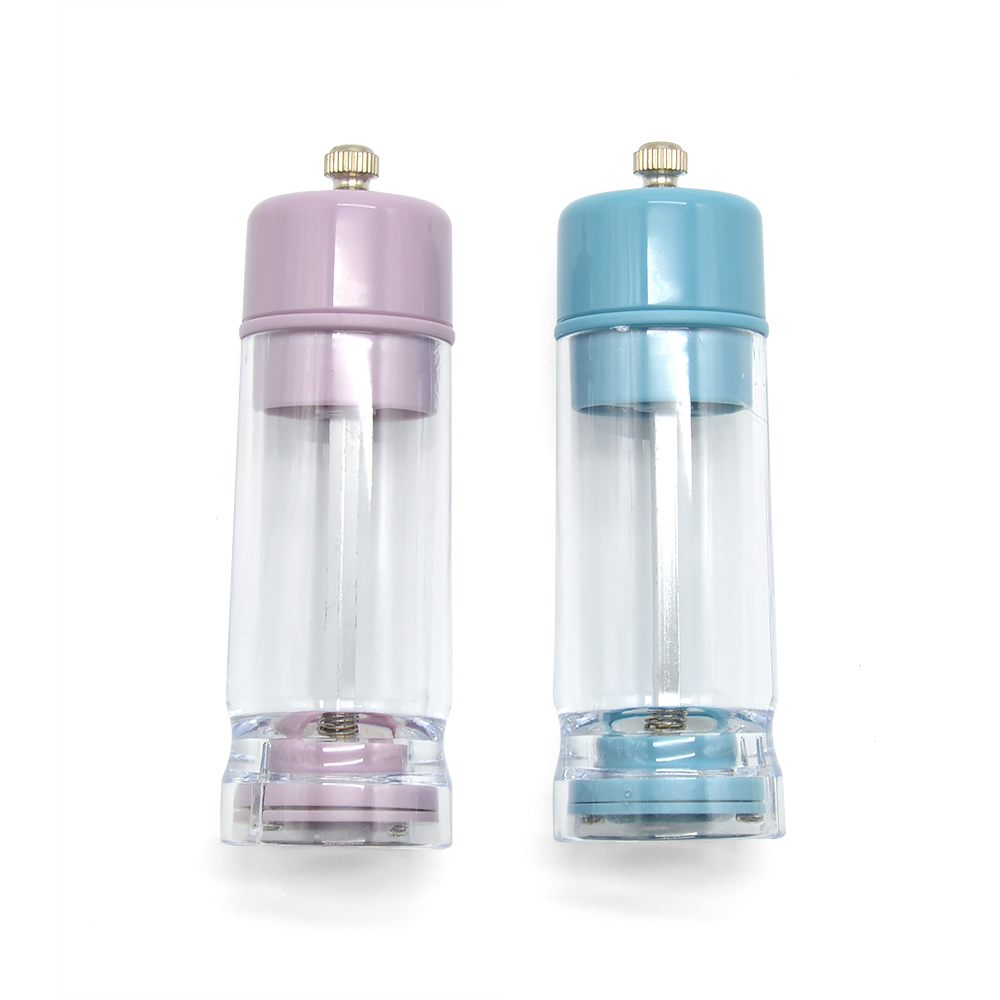
This guide explains the main stages of pepper jar manufacturing, common material choices, customization considerations, and the questions buyers should ask when evaluating a spice container supplier. It also uses the salt and pepper grinder set described in the original product information as an example of the features buyers often review: an adjustable nut-style grinding control, an ergonomic lid with a handle, a transparent body for checking the remaining contents, and a durable ceramic grinder.
Key Takeaways
- Pepper jar quality depends on the container body, sealing design, grinding mechanism, assembly accuracy, and packaging protection.
- Common spice container materials include plastic, stainless steel, and glass; each has different cost, weight, appearance, and breakage considerations.
- For custom pepper jars, buyers should confirm drawings, samples, packaging, branding methods, and inspection standards before mass production.
- Do not rely only on product photos. Ask suppliers for clear answers about materials, tolerances, quality checks, and replacement policies.
How Pepper Jars Are Manufactured
The production process usually begins with a product brief or technical drawing. A supplier needs to know the intended market, target size, lid style, grinder type, packaging format, and branding requirements. If the item is a grinder set, the design must also define how the user adjusts the grind and how the mechanism connects to the container.
After the design is confirmed, the factory prepares the body, lid, and functional parts. Depending on the selected material, the body may be molded, cut, formed, or assembled from multiple components. The grinder mechanism is then fitted into the lid or top section. In many designs, small parts such as springs, nuts, handles, seals, or internal retainers affect how smoothly the product works. Final assembly should include basic functional checks, such as whether the grinder rotates smoothly and whether the lid sits correctly on the jar.
For B2B sourcing, the most important point is consistency. A sample that works well is useful, but buyers should ask how the supplier controls the same performance across a full production batch.
Material Choices for Spice Containers
The original article notes several common materials used in spice container production, including plastic, stainless steel, and glass. Each option can be appropriate, but the right choice depends on the selling channel and use environment.
| Material | Typical Advantages | Points Buyers Should Check |
|---|---|---|
| Plastic | Lightweight, flexible for shapes, often suitable for cost-sensitive ranges | Ask about the exact plastic type, odor control, clarity, color consistency, and heat exposure limits. |
| Stainless steel | Durable appearance, suitable for modern kitchen and foodservice styles | Confirm the steel grade, surface finish, fingerprint resistance, and whether edges are smooth. |
| Glass | Transparent, easy to see contents, often preferred for a heavier feel | Check glass thickness, breakage risk, packaging strength, and whether the opening is easy to refill. |
| Ceramic grinder component | Used in the described product for durable grinding performance | Ask how the grinder is inspected, whether it handles different spice sizes, and how the adjustment is tested. |
Grinder Mechanisms and User Experience
A pepper jar that includes a grinder must do more than store spices. It must crush peppercorns evenly and let users control the grind size. The product described in the source includes a nut-style adjustment device, which is a common way to let users move between finer and coarser grinding. For buyers, the key question is not only whether adjustment exists, but whether it feels stable and repeatable after repeated use.
The original product also describes an ergonomic lid with a handle for smoother turning. This type of feature can improve usability, especially when hands are wet or when a restaurant team uses the grinder frequently. A transparent body is another practical detail because it helps users see when the salt or pepper level is low. These features are worth testing with real product samples rather than evaluating from photos alone.
Customization Options for Private Label and Wholesale Buyers
Custom pepper jars can range from small branding changes to a fully modified design. Common customization requests include logo placement, color changes, packaging artwork, special shapes, engraved patterns, and adjustments to the grinder or lid design. Some buyers may also want sets for restaurants, promotional channels, gift packaging, or retail shelves.
Before requesting a quotation, prepare a clear specification sheet. It should list the product size, materials requested, target packaging, logo method, color references, order destination, and any market requirements the buyer must meet. If the supplier cannot confirm a detail, treat it as an open question rather than an assumption.
- Request a pre-production sample that matches the final material and packaging as closely as possible.
- Confirm whether branding is printed, engraved, labeled, or applied by another process.
- Ask for photos or videos of assembly and inspection steps when possible.
- Define acceptable defects, such as scratches, loose lids, poor grinding, misaligned logos, or damaged boxes.
- Keep an approved sample for comparison during final inspection.
Quality Checks to Discuss With a Supplier
Because Bonet-specific capacities, certifications, prices, and test results are not provided in the source material, buyers should ask direct supplier questions instead of assuming them. Useful questions include: What materials are used in each component? How is the ceramic grinder checked? Are there inspection records for each batch? How is the transparent body protected from scratches during packing? What happens if a shipment includes loose lids, cracked containers, or poor grinding performance?
Packaging also deserves attention. Spice containers can be damaged by vibration, pressure, or impact during transport. For glass or transparent bodies, carton strength and internal protection are especially important. Buyers should ask for packaging details, carton dimensions, and drop-test or transport-test information if those are required by their purchasing standards.
Practical Sourcing Checklist
Use the following checklist when comparing pepper jar manufacturers or spice container suppliers:
- Do the samples match the quoted materials and finish?
- Is the grinder smooth, stable, and easy to adjust?
- Can the supplier explain the assembly and inspection process?
- Are customization details documented in drawings or written specifications?
- Is packaging strong enough for the sales channel and shipping method?
- Are commercial details such as lead time, MOQ, payment terms, and after-sales handling clearly stated by the supplier?
FAQ
What is the difference between a pepper jar and a pepper grinder?
A pepper jar mainly stores and dispenses spice. A pepper grinder includes a mechanism that crushes peppercorns before use. Some products combine both functions in one container.
Which material is best for a spice container?
There is no single best material. Plastic is lightweight, stainless steel offers a durable appearance, and glass provides visibility. Buyers should choose based on price point, user environment, shipping risk, and brand positioning.
What should I check in a custom pepper grinder sample?
Check the grind adjustment, lid fit, body clarity, surface finish, logo accuracy, refill convenience, packaging protection, and whether the sample matches the written specification.
Can a supplier make branded salt and pepper grinder sets?
Many suppliers offer customization, but buyers should confirm available branding methods, sample costs, production lead time, MOQ, packaging options, and quality inspection standards before ordering.
Why is a transparent body useful?
A transparent body lets users see the remaining spice level, reducing the chance of running out during cooking or service. It is also helpful for quick refilling and stock checks.
