




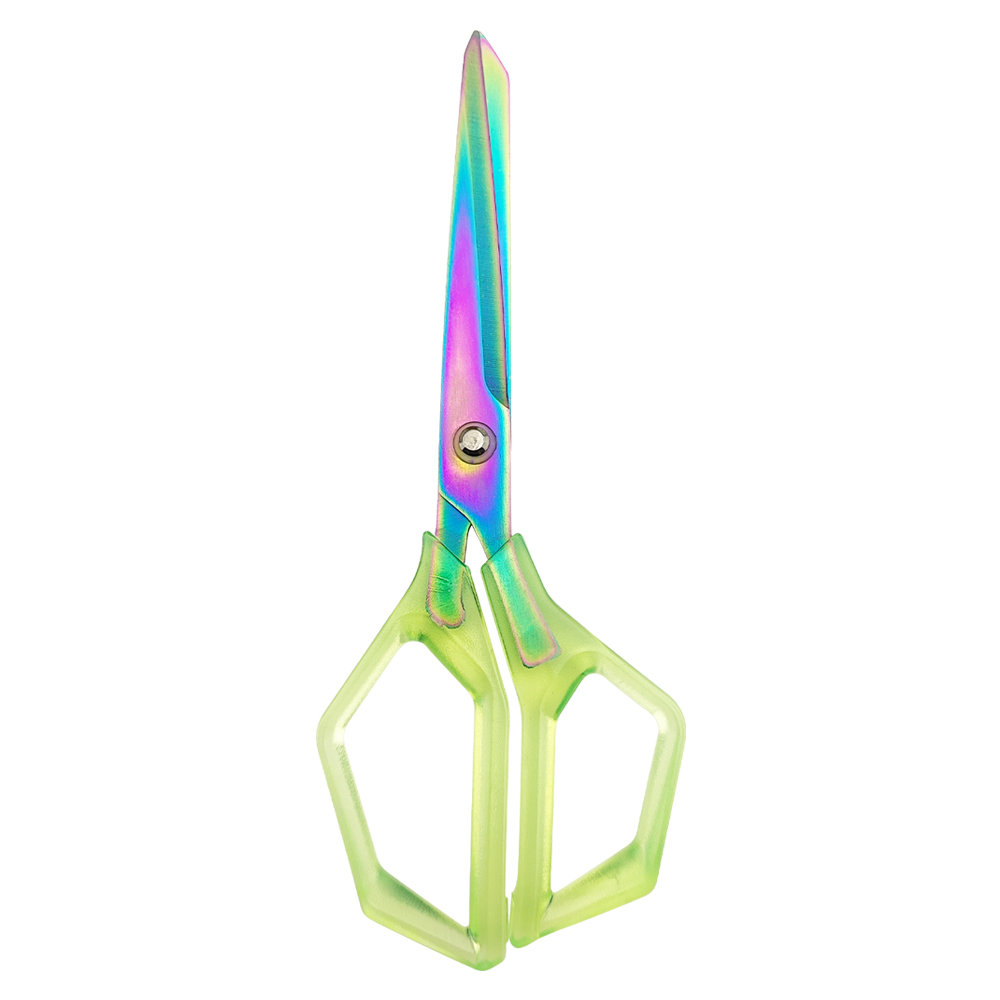
Personalized Office Scissors: OEM Sourcing and Selection Guide
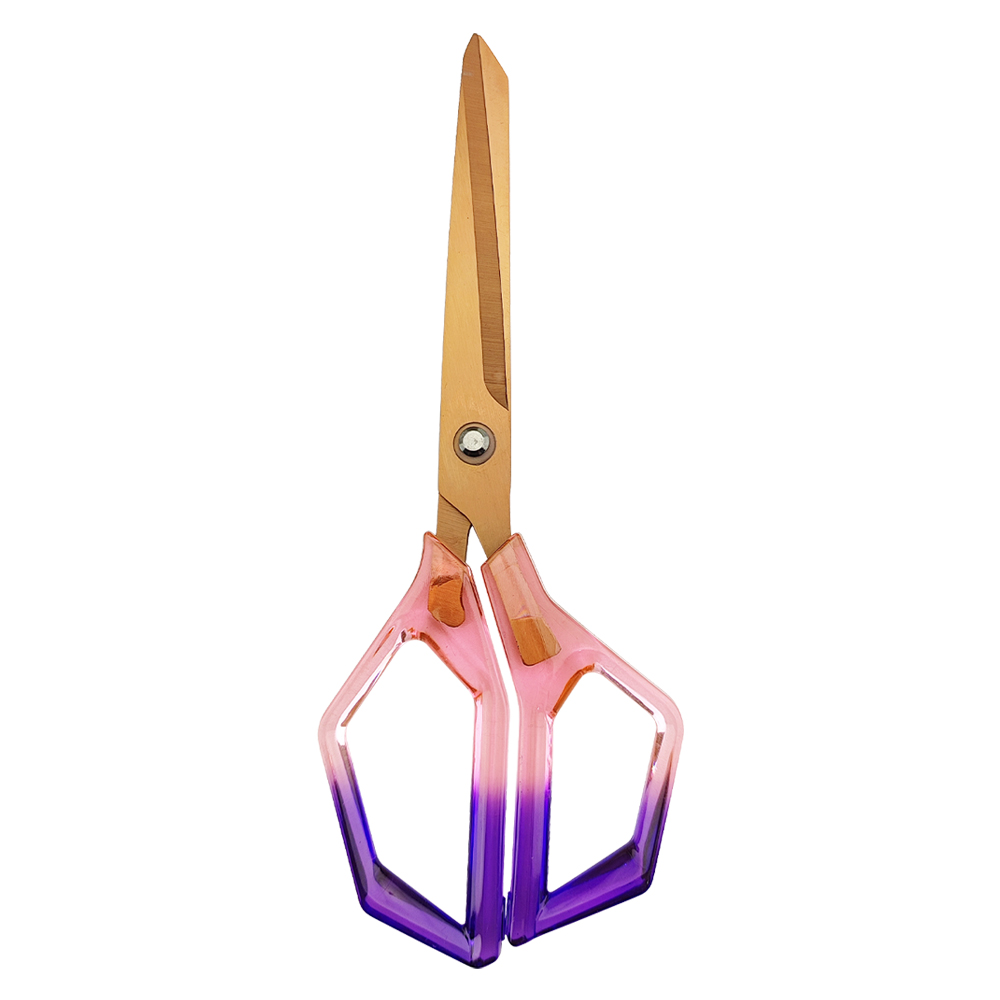
Personalized office scissors are a small tool with a surprisingly broad range of buying considerations. In a shared office, personalization can help identify ownership. In a retail or promotional program, custom colors, markings, or packaging can make the item easier to position for a specific audience. For a sourcing team, however, the decision should not start with appearance alone. The more important questions are how the scissors cut, how they feel in daily use, whether the customization method is suitable, and what information a supplier can provide before an order is placed.
The original product concept highlights a Golden Edge Titanium Scissors with a yellow hexagonal handle. It also describes golden blades, a smooth pivot system, and a comfortable grip designed for regular office, crafting, or light creative work. Those are useful starting points, but buyers should still verify details directly with the supplier, especially when planning OEM, wholesale, or branded purchasing.
Key Takeaways
- Personalized office scissors should be evaluated first as cutting tools, then as branded items.
- Ask suppliers to confirm blade material, coating, handle material, pivot design, and suitable cutting applications.
- For OEM projects, clarify logo method, color matching, packaging options, sample approval, and quality inspection process.
- Comfort matters for office teams, crafters, and buyers who expect repeated daily use.
What Makes Office Scissors Suitable for Personalization?
Personalization can include printed logos, engraved names, custom colors, branded packaging, or design changes requested for a private-label project. For office scissors, the most practical personalization usually appears on the handle, blade surface, hang card, sleeve, or retail box. The right option depends on budget, order quantity, expected durability, and the visual result required by the buyer.
A company purchasing scissors for internal use may only need a simple name or department marking. A distributor may need a repeatable logo process and packaging that supports barcode, item number, and market-specific labeling. A brand owner may request a more complete OEM program, including handle color, product name, and packaging artwork. Before assuming any option is available, ask the supplier which customization methods they actually support and whether a pre-production sample can be reviewed.
Performance Features to Check Before Ordering
Office scissors are often used for paper trimming, opening packages, cutting labels, and occasional craft tasks. The original article describes golden blades, titanium construction, a yellow hexagonal handle, and a smooth pivot system. Those features may support a distinctive product position, but practical buyers should evaluate performance through samples instead of relying only on descriptions.
When reviewing a sample, test the scissors on the materials your buyers or staff will cut most often. Check whether the blades meet cleanly from base to tip, whether the pivot feels too loose or too tight, and whether the handle causes pressure after repeated cutting. If the scissors are expected to cut fabric or plastics, ask the supplier to confirm recommended use and limitations. A product that is excellent for paper may not be designed for heavier materials.
Comparison Checklist for Personalized Office Scissors
| Item to Check | Why It Matters | Questions to Ask a Supplier |
|---|---|---|
| Blade material and finish | Affects sharpness, appearance, and daily cutting feel. | What is the blade material? Is the golden finish a coating, plating, or another process? |
| Handle design | Influences comfort, grip stability, and visual identity. | What material is used for the handle? Can the yellow hexagonal design be customized? |
| Pivot system | Determines smoothness and consistency during repeated cutting. | Is the pivot adjustable? How is smooth movement checked during inspection? |
| Personalization method | Controls logo durability, detail, and cost. | Do you offer printing, engraving, custom packaging, or color matching? |
| Sample approval | Reduces risk before bulk production. | Can we approve a physical sample before production begins? |
OEM and Wholesale Sourcing Guidance
For B2B buyers, personalized office scissors should be sourced with a clear specification sheet. Include product size if known, blade finish, handle color, logo position, packaging format, labeling requirements, and intended sales channel. If you do not yet know the exact specification, request supplier recommendations and compare options using samples.
Do not assume manufacturing capacity, minimum order quantity, lead time, compliance documentation, or testing results unless the supplier provides them in writing. Important commercial questions include: What is the MOQ for standard colors versus custom colors? What artwork files are required? Are there setup charges for logo application? What is the process for sample approval? What inspection standard is used before shipment? If the scissors will be sold in regulated markets, ask what documents, material declarations, or product safety information the supplier can provide for review by your compliance team.
- Prepare a target use case, such as office stationery, promotional gift, retail pack, or private-label product.
- Request samples of the closest existing model before discussing major design changes.
- Confirm personalization method, logo size, color tolerance, and packaging layout.
- Approve a pre-production sample with actual artwork when possible.
- Define inspection points for blade alignment, handle appearance, pivot smoothness, and packaging accuracy.
How to Choose for Office Teams and End Users
For office managers or consumers, the selection process is simpler but still benefits from a practical checklist. Choose scissors that match the hand size and cutting tasks of the user. A comfortable handle is especially important for people who cut many documents, labels, envelopes, or craft materials. The yellow hexagonal handle described in the original product concept may appeal to buyers who want a bright, easy-to-identify desk tool, while golden blades create a more distinctive look than basic office scissors.
Personalization is useful in shared spaces because scissors often move between desks, meeting rooms, supply cabinets, and packing areas. A name, department label, or company mark can reduce confusion. For home offices, a personalized design may simply make the tool easier to recognize among other stationery items.
Use and Care Tips
Even professional office scissors last longer when they are used within their intended range. Keep one pair for clean paper and office use rather than cutting sticky tape, wire, thick cardboard, or abrasive materials. If adhesive builds up on the blades, wipe it away carefully according to the supplier's care guidance. Store scissors closed and dry, and avoid dropping them because impact can affect blade alignment or pivot smoothness.
If scissors begin to feel rough, do not force them. Check whether debris is caught near the pivot or blade edge. For workplaces, it can be helpful to keep separate scissors for paper, packaging, and craft materials so each pair remains suitable for its main task.
FAQ
Can personalized office scissors be used as promotional gifts?
Yes, they can work well for promotional programs when the design, logo placement, and packaging match the audience. Buyers should confirm customization options, sample timing, and packaging requirements before ordering.
What should I ask an OEM scissors supplier first?
Start with blade material, handle material, available colors, logo methods, MOQ, sample process, lead time, packaging options, and inspection procedures. Ask for written confirmation rather than relying on assumptions.
Are golden blades always titanium?
No. A golden appearance does not automatically confirm a specific material or coating. If titanium or a titanium coating is important for your project, ask the supplier to confirm the exact blade specification.
What materials can office scissors cut?
Most office scissors are intended for paper and light office tasks. Some may handle fabric or plastics, but buyers should test samples and ask the supplier to confirm recommended applications and limitations.
How can I reduce risk in a bulk order?
Use a clear specification sheet, approve a physical sample, confirm artwork and packaging, and define inspection points before production. For branded projects, keep a signed sample or approved reference for comparison.
