




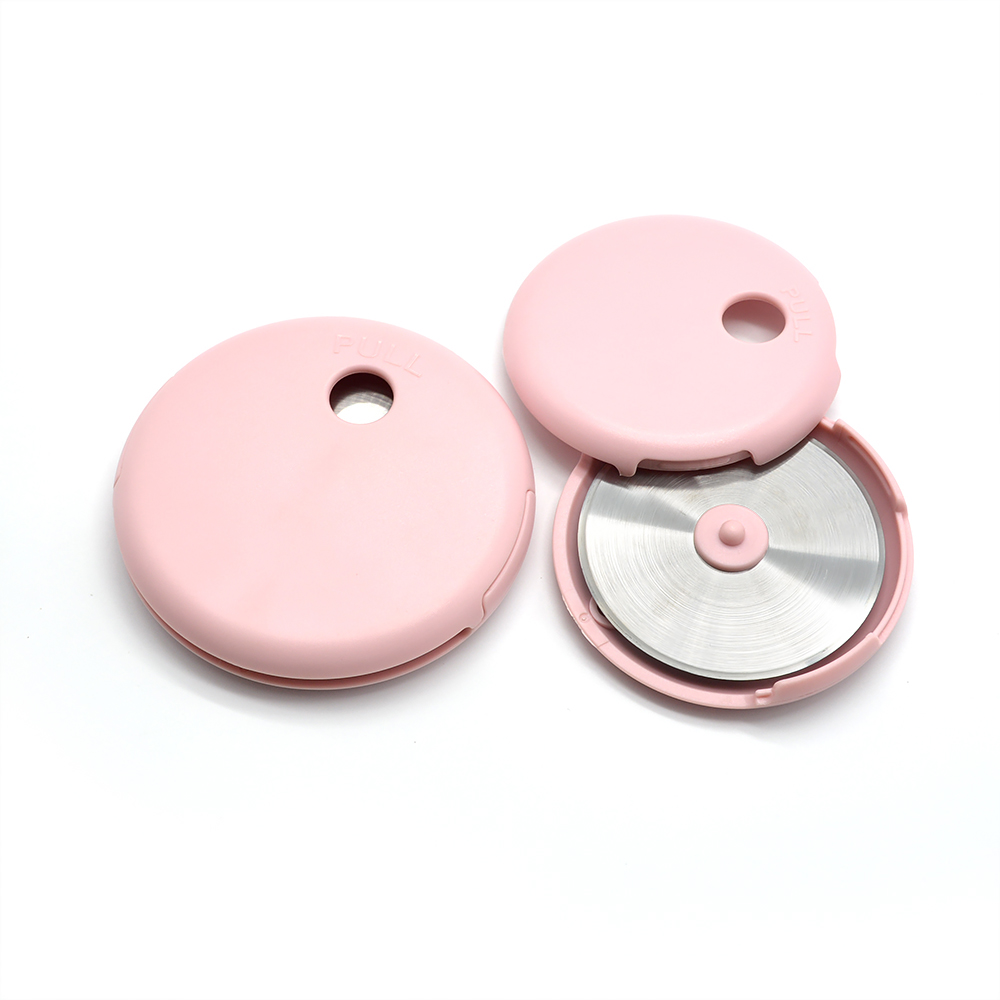
Pizza Cutter Manufacturer: Precision in Every Slice
Behind every cleanly divided pizza is a cutting tool that looks simple but depends on careful design. For restaurants, pizzerias, hospitality buyers, kitchenware retailers, and distributors, choosing a pizza cutter manufacturer is not only about finding a low unit price. The right supplier should be able to provide consistent cutting performance, safe handling, durable construction, and clear answers about materials, packaging, customization, and quality control.
The original purpose of a pizza wheel has not changed: it should move through thin or thick crust without dragging toppings across the surface. What has changed is buyer expectation. Commercial kitchens need tools that can support repeated daily use. Retail buyers need a product that looks dependable on the shelf and performs well at home. This guide explains what to check when sourcing pizza cutters wholesale or discussing OEM production with a pizza slicer factory.
Key Takeaways
- A good pizza cutter should combine a sharp rolling blade, a comfortable handle, and stable control during use.
- Wholesale buyers should evaluate consistency, packaging, inspection process, and replacement or defect handling before placing repeat orders.
- Do not assume material grade, certifications, MOQ, or testing results; ask the manufacturer to confirm them in writing.
- For OEM projects, clarify branding, color, handle design, packaging artwork, lead time, and sample approval procedures early.
What Defines a Superior Pizza Slicer?
A superior pizza slicer is defined by how cleanly, safely, and comfortably it cuts. The blade is the most visible part of the tool. Many buyers look for stainless steel blades because the material is commonly associated with kitchen utensils, easy cleaning, and corrosion resistance. However, the exact grade and finish should be confirmed with the supplier rather than assumed.
Blade sharpness and rotation are equally important. A wheel that is too dull can push cheese and toppings forward instead of slicing through them. A wheel that wobbles may create uneven cuts and frustrate kitchen staff. When reviewing samples, buyers should test the cutter on different pizza styles, including thin crust, thicker crust, and pizzas with heavier toppings.
The handle also deserves close attention. The original article correctly notes the importance of ergonomic grip and thumb protection. In practice, a comfortable handle helps users apply pressure with more control and less fatigue. For foodservice use, buyers should check whether the handle remains stable when wet or greasy and whether the shape keeps fingers away from the blade path.
Manufacturer, Supplier, or Trading Company: What Should Buyers Ask?
The term pizza cutter manufacturer may be used by factories, exporters, or trading companies. Each can be suitable depending on the project, but buyers should understand who is responsible for production and quality control. A factory may offer more direct control over tooling, materials, and production scheduling. A trading company may provide broader sourcing support and consolidated shipments.
Before ordering, ask practical questions rather than relying on general marketing language:
- Where is the pizza cutter produced, and which processes are done in-house?
- Can the supplier provide pre-production samples for approval?
- What blade material, handle material, and packaging options are available?
- How are blade sharpness, wheel rotation, assembly strength, and visual defects inspected?
- What is the stated MOQ, lead time, payment term, and policy for defective goods?
- Can the supplier support OEM branding, private label packaging, or color customization?
These questions help separate a capable sourcing partner from a supplier that only provides a product photo and a price.
Wholesale Sourcing Benefits and Risks
Pizza cutter wholesale purchasing can be useful for restaurants, pizzerias, catering companies, and kitchenware retailers. Buying in larger quantities may improve price consistency and simplify replenishment. It can also help multi-location operators standardize the tools used across kitchens, which supports training and workflow.
However, wholesale sourcing also creates risk if quality is not checked before shipment. A small issue in one sample can become a large issue across cartons of inventory. For example, a loose wheel, uncomfortable handle, inconsistent packaging, or poor blade finish may increase returns or complaints. Buyers should consider sample testing, carton inspection, and written quality expectations as part of the purchasing process.
Comparison Checklist for Evaluating Pizza Cutter Suppliers
| Evaluation Area | What to Check | Why It Matters |
|---|---|---|
| Blade performance | Sharpness, smooth rotation, wheel stability, edge finish | Determines whether the cutter slices cleanly without dragging toppings |
| Handle design | Grip comfort, thumb guard, balance, wet-hand control | Improves safety and reduces fatigue in repeated use |
| Material confirmation | Written details for blade, handle, and any coating or finish | Prevents assumptions about grade, durability, or cleaning suitability |
| OEM support | Logo method, colors, packaging artwork, sample approval | Helps retailers and distributors build consistent private-label ranges |
| Quality control | Inspection steps, defect standards, batch consistency | Reduces the chance of returns, complaints, or unusable stock |
| Commercial terms | MOQ, lead time, packing quantity, replacement process | Supports accurate planning for wholesale and repeat orders |
OEM and Private Label Considerations
For retailers and distributors, a pizza cutter is often part of a broader kitchen utensil line. OEM or private label production may include custom packaging, logo placement, handle color selection, or coordinated product sets. Before starting artwork or tooling discussions, buyers should confirm what the supplier can actually support.
Important OEM details include logo size limitations, printing or marking method, packaging dielines, barcode placement, carton labeling, and sample timeline. If a new handle shape or special construction is required, ask whether tooling is needed and who owns that tooling after payment. If the product will be sold in a regulated market, buyers should also request relevant documentation from the supplier and verify requirements with their own compliance advisor. The manufacturer should not be expected to guess the rules of every destination market.
Practical Sample Testing Before a Bulk Order
Sample testing should be realistic. Do not evaluate a pizza cutter only by holding it or checking a product photo. Use it on fresh pizza, reheated pizza, thin crust, thick crust, and toppings that can shift easily. Wash it according to the supplier’s guidance and check whether the wheel still rotates smoothly. Inspect the blade edge, rivet or axle area, and handle connection after repeated use.
For foodservice buyers, let several staff members test the sample. A tool that feels comfortable to one person may not suit all users. For retail buyers, consider how the product looks in packaging, whether the usage message is clear, and whether customers can understand the product benefits without exaggerated claims.
Use, Cleaning, and Care Guidance
Even a well-made pizza cutter performs better with proper use and care. Users should cut on suitable surfaces and avoid forcing the blade through materials beyond its intended kitchen purpose. After use, remove cheese and sauce residue from the wheel area promptly. If the supplier provides dishwasher or hand-wash guidance, follow it rather than assuming all cutters can be cleaned the same way.
In commercial kitchens, tools should be inspected regularly. A damaged blade, loose wheel, cracked handle, or trapped food residue can create sanitation and performance concerns. Replacing worn cutters is usually more efficient than struggling with tools that no longer cut cleanly.
FAQ
What should I ask a pizza cutter manufacturer before ordering?
Ask about blade and handle materials, sample availability, MOQ, lead time, packaging, inspection process, OEM options, and how the supplier handles defects or replacement claims.
Is stainless steel always used for pizza cutter blades?
Stainless steel is commonly used for kitchen cutting tools, but buyers should confirm the exact material and grade with the supplier. Do not assume specifications unless they are provided in writing.
How can I judge pizza cutter quality from a sample?
Test sharpness, wheel rotation, handle comfort, grip control, and stability on different crust types. Also inspect finishing, packaging, and performance after cleaning.
Are wholesale pizza cutters suitable for restaurants and retailers?
They can be, provided the buyer verifies quality, consistency, packaging, and commercial terms. Restaurants may prioritize durability and comfort, while retailers may also focus on presentation and private label options.
Can a supplier make custom branded pizza cutters?
Many suppliers may offer OEM or private label options, but capabilities vary. Confirm logo methods, color choices, packaging artwork requirements, samples, tooling needs, MOQ, and lead time before committing.
Final Sourcing Advice
A pizza cutter is a small kitchen tool, but poor design quickly becomes obvious in use. For B2B buyers, the best approach is to combine product testing with supplier evaluation. Look for clean cutting, safe handling, and consistent assembly, then confirm commercial details such as MOQ, production time, packaging, and quality control. A reliable pizza cutter manufacturer should be able to answer practical questions clearly and support buyers with samples, documentation, and realistic production guidance.
