




Pizza Cutter: How to Choose and Use One for Clean Slices
A good pizza cutter does one simple job: it separates crust, cheese, sauce, and toppings into neat portions without dragging everything across the pan. If you have ever used a dull kitchen knife on a hot pizza, you know the common problems: toppings slide, cheese stretches into strings, and the crust tears instead of cutting cleanly. The right pizza slicing tool can make homemade pizza nights, frozen pizza, flatbreads, and takeaway meals easier to serve.
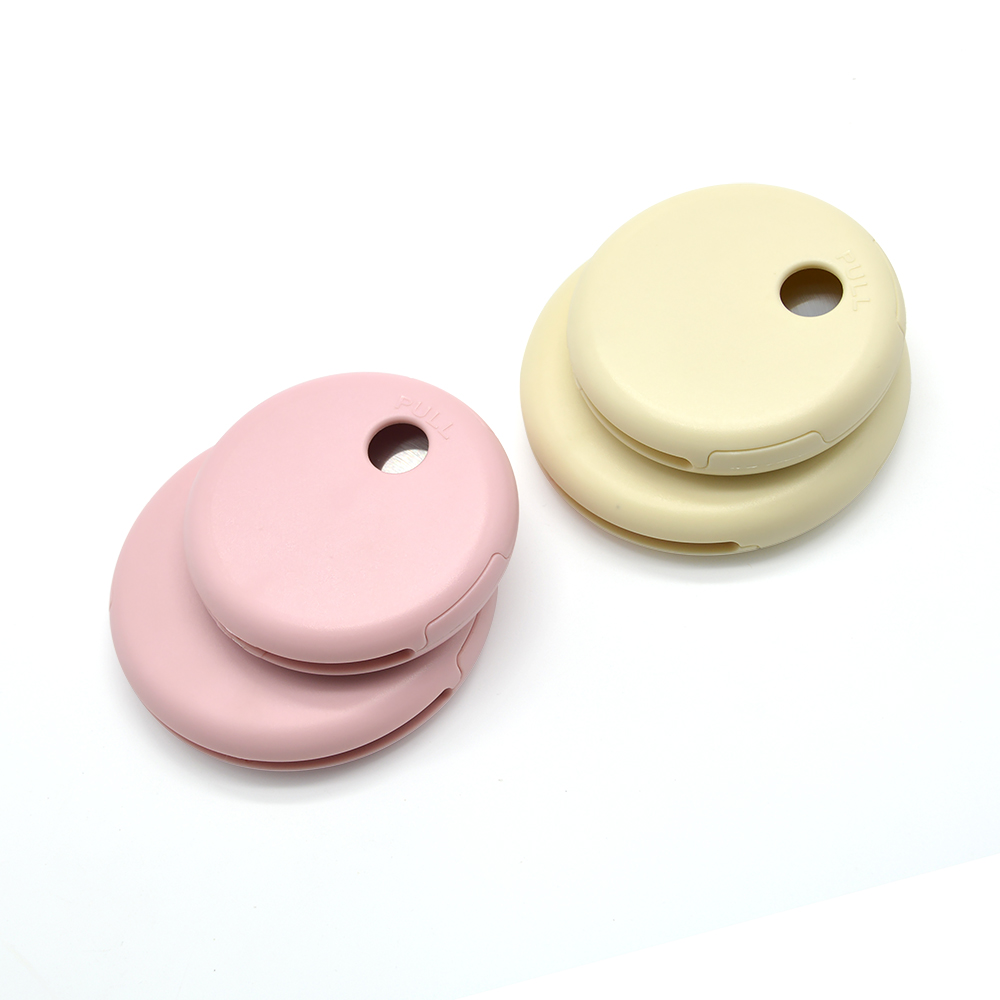
This guide explains what to look for in a pizza cutter, how to compare common designs, and how to use and clean the tool properly. The product described in the original article is a vibrant green pizza cutter with an ergonomic oversized circular handle, a stainless steel blade, a compact profile, and a detachable handle for easier cleaning. Those features are useful, but they should still be considered alongside safety, comfort, maintenance, and the type of pizza you usually make.
Key Takeaways
- A sharp wheel-style pizza cutter is usually better than a standard knife for round pizzas because it rolls through the crust with less pulling.
- Handle comfort matters: an ergonomic, easy-grip handle gives better control and can reduce hand strain.
- Stainless steel blades are common for pizza cutters, but buyers should still ask how the blade should be cleaned, dried, and maintained.
- A compact cutter is easier to store, while a detachable handle can make cleaning more convenient.
- For best results, let very hot pizza rest briefly before slicing and cut with steady, firm pressure.
What Makes a Pizza Cutter Work Well?
The most important part of any pizza cutter is the cutting edge. A sharp blade should move through crust and toppings without requiring repeated passes. Re-cutting the same line often causes cheese and toppings to bunch up, especially on pizzas with a soft base or heavy toppings.
Control is the second major factor. A pizza cutter should feel stable in your hand, not slippery or awkward. The original product description highlights an oversized circular handle designed for a firm grip and easier cutting. This type of handle can be helpful if you regularly cut thicker crusts or want more pressure directly over the blade.
Finally, a good cutter should be easy to clean. Pizza sauce, cheese, flour, and oil can collect around the blade and handle connection. If the handle detaches, as described for this model, it may be easier to rinse away food residue. Always check the supplier's cleaning instructions before putting any cutter in a dishwasher.
Common Pizza Cutter Types Compared
Pizza cutters come in several styles. The best option depends on your kitchen habits, storage space, and the foods you cut most often.
| Tool type | Best for | Advantages | Things to check |
|---|---|---|---|
| Wheel pizza cutter | Round pizzas, flatbreads, quesadillas | Rolls through crust, easy to guide, compact storage | Blade sharpness, handle grip, ease of cleaning around the wheel |
| Rocking pizza cutter | Large pizzas and commercial-style cutting boards | Cuts across the whole pizza with a rocking motion | Requires more storage space and a safe blade cover |
| Kitchen knife | Occasional slicing when no cutter is available | Already available in most kitchens | Can drag toppings and may be awkward on a round pan |
| Kitchen scissors | Thin crusts, small portions, some flatbreads | Good portion control and useful for kids' servings | Can be slow for large pizzas and may collect cheese in the hinge |
How to Choose a Pizza Cutter for Home Use
When shopping for a pizza cutter online or comparing options in a store, focus on practical details rather than decorative claims. A bright color, such as the green finish described for this cutter, can make the tool easy to spot in a drawer, but performance depends more on blade quality, balance, and cleaning access.
- Check the blade material and edge. The original article states that the blade is stainless steel. Stainless steel is widely used for kitchen tools, but buyers should still ask whether the blade is sharpened, how it resists staining, and whether it requires hand drying.
- Hold or assess the handle shape. An oversized circular handle may offer a secure grip and allow downward pressure. If buying online, look for clear photos from different angles.
- Consider storage. A compact profile is useful if your kitchen drawer is crowded. If there is a blade guard or protective cover, confirm whether it is included before purchase.
- Look at cleaning access. A detachable handle can make rinsing easier, but the connection should feel secure during cutting. Ask how the parts separate and reattach.
- Match the cutter to your pizza style. Thick crust, cheese-heavy, or heavily topped pizzas need a tool with good leverage and a sharp edge.
How to Slice Pizza More Neatly
Even a well-designed pizza cutter works better with the right technique. First, let the pizza rest for a short time after baking. Cutting immediately can cause the cheese and sauce to move because everything is still fluid. A brief rest helps toppings settle while the pizza remains hot enough to enjoy.
Place the pizza on a stable surface. A wooden board, suitable cutting board, or pan that does not slide will give you more control. Position the wheel at the edge of the crust, apply firm downward pressure, and roll in one smooth motion toward the opposite side. Avoid sawing back and forth if possible; repeated movements can disturb the toppings.
For thicker crusts, it may help to start by pressing the wheel through the outer crust before rolling across the center. If toppings are piled high, make slower passes and wipe the blade between cuts if cheese builds up. This simple habit can improve the appearance of each slice.
Cleaning and Care After Use
Pizza cutters touch oil, melted cheese, tomato sauce, and sometimes flour or cornmeal. Cleaning soon after use prevents residue from hardening around the blade. If the handle detaches, separate the parts according to the supplier's instructions and rinse the areas where food can collect.
Use warm water, mild dish soap, and a sponge or brush that keeps your fingers away from the edge. Be careful: a sharp wheel can cut skin even when it is not moving quickly. After washing, dry the stainless steel blade and handle area thoroughly before storage. If the supplier says the cutter is dishwasher safe, place it securely so the blade does not contact other items or become a hazard when unloading.
Safety Tips for Everyday Use
- Keep fingers away from the wheel path when cutting.
- Do not let children use a pizza cutter without close supervision.
- Store the cutter where the blade will not be touched accidentally in a drawer.
- Do not force the cutter through bones, frozen-solid food, or surfaces that may damage the blade.
- Inspect the handle connection regularly if the design is detachable.
FAQ
Is a pizza cutter better than a knife?
For most round pizzas, yes. A wheel cutter rolls through the pizza and usually creates cleaner lines than a standard kitchen knife, which can drag cheese and toppings.
Can I use a pizza cutter for foods other than pizza?
Yes. Many people use a wheel cutter for flatbreads, quesadillas, dough strips, pastry sheets, and some sandwiches. Avoid very hard foods that could damage the cutting edge.
Should I choose a wheel cutter or a rocking cutter?
A wheel cutter is compact and easy for most home kitchens. A rocking cutter can be useful for very large pizzas, but it needs more storage space and careful blade handling.
How do I keep the blade from getting messy?
Let the pizza rest briefly, cut with steady pressure, and wipe the blade between cuts when slicing cheese-heavy pizzas. Clean the cutter soon after eating.
What should I ask before buying online?
Ask about blade material, cleaning instructions, whether the handle is detachable, whether a blade guard is included, and how the tool should be stored safely.
