




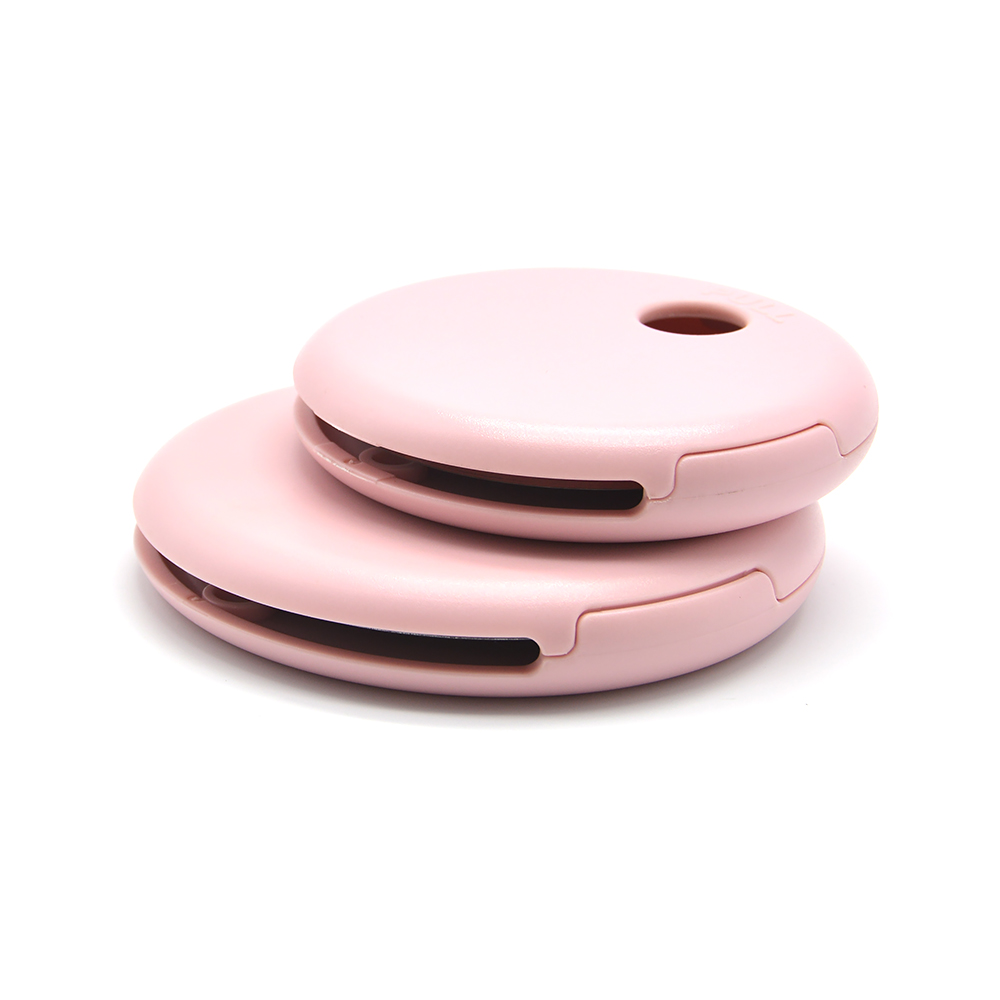
Pizza Cutter Reviews: How to Buy a Pizza Knife Online
A pizza cutter looks like a simple kitchen tool, but anyone who has dragged cheese across a crust or crushed a slice with a dull wheel knows the difference a better cutter can make. The right tool should move cleanly through thin crust, thick crust, and toppings without requiring awkward pressure. When buying online, the challenge is that you cannot hold the handle, test the blade, or judge the cleaning process in person. That makes product descriptions, photos, and customer reviews especially important.
This guide explains how to read pizza cutter reviews carefully and compare options with a practical eye. Instead of focusing on appearance alone, look for signals about blade sharpness, handle comfort, safety, durability, cleaning, and storage. These details help you choose a pizza cutter that fits the way you cook and serve pizza at home.
Key Takeaways
- A sharp stainless steel blade is one of the most useful features to look for in a pizza cutter.
- Ergonomic handle design matters because cutting pizza often requires steady downward pressure.
- Reviews are most helpful when they mention crust thickness, topping drag, cleaning, and long-term use.
- Safety features such as blade housing and a stable grip can reduce awkward handling.
- Before buying online, check whether the cutter is easy to clean, store, and maintain.
Why Pizza Cutter Quality Matters
A good pizza cutter does more than divide a pizza into triangles. It protects the structure of the slice. A dull or poorly designed cutter may pull toppings away from the crust, smear cheese, or require repeated cuts in the same place. That can be frustrating when serving family meals, entertaining guests, or portioning homemade pizza straight from a hot pan.
Quality also affects comfort. A cutter with a weak grip or awkward handle can put strain on the hand, especially when used on thicker crusts. The original product focus highlights ergonomic design as an important benefit, and that is a useful point for online shoppers to remember. A comfortable, secure handle helps you guide the wheel with better control and less effort.
What Pizza Cutter Reviews Usually Reveal
Reviews can be more useful than a product listing because they describe real use. However, not every review gives the same level of detail. A comment such as “works great” is positive but limited. A better review explains whether the cutter handled a crispy crust, a deep crust, or a heavily topped pizza without dragging ingredients.
Look for repeated comments about sharpness, rust resistance, handle comfort, and cleaning. If many buyers mention that the wheel stays sharp over time, that is a good sign. If several mention that food gets trapped in hard-to-reach spaces, treat that as a practical warning. Reviews that include photos can also help you judge the scale of the cutter and the shape of the handle.
Key Features to Compare Before Buying Online
When comparing pizza cutters online, start with the blade. The source article explicitly mentions a sharp stainless steel blade as a key feature. Stainless steel is commonly valued in kitchen tools because it is associated with durability and resistance to rust, though exact performance depends on the product and care. Read the description carefully and avoid assuming details that are not listed.
Next, consider the handle. An ergonomic handle should feel stable, reduce slipping, and allow controlled pressure. If the handle is rounded or shaped to fit the palm, reviews may mention that it feels easier to control. Also check whether there is a blade housing or guard. The original article notes that a well-designed blade housing can help protect fingers, which is especially important when washing or retrieving the tool from a drawer.
Cleaning and storage are also worth comparing. A removable blade can make cleaning easier if the product is designed that way. A hanging hole can help with compact storage. These are small details, but they often determine whether a tool is used regularly or left at the back of a drawer.
Pizza Cutter Comparison Checklist
| Feature to Check | Why It Matters | What to Look for in Reviews |
|---|---|---|
| Blade sharpness | Helps create clean slices with less topping drag | Mentions of cutting through thin, thick, or crispy crust |
| Blade material | Affects durability and maintenance expectations | References to stainless steel and comments about rust or staining |
| Handle comfort | Reduces hand strain and improves control | Comments about ergonomic grip, slipping, or pressure |
| Safety design | Helps keep fingers away from the cutting edge | Mentions of blade housing, guard design, or safe handling |
| Cleaning method | Determines how easy it is to remove cheese and sauce | Reports on removable parts or difficult crevices |
| Storage | Makes the tool easier to keep accessible | Notes about hanging holes, size, or drawer storage |
How to Read Online Listings More Carefully
Product pages often emphasize attractive language, but buyers should focus on verifiable details. Check the photos from different angles. Is the wheel fully visible? Can you see how close the handle is to the blade? Is there a guard or housing? Does the listing explain how to clean the cutter?
Also compare the written description with customer feedback. If the listing claims easy cleaning but reviewers repeatedly describe stuck cheese, the reviews may be more useful. If the listing highlights ergonomic design and several buyers confirm a comfortable grip, that strengthens confidence. When details are missing, do not assume them. For example, if a listing does not clearly state whether the blade is removable, treat it as a question to confirm before purchase.
Use and Care Tips for Better Cutting
Even a good pizza cutter performs better with the right technique. Let extremely hot pizza rest briefly before slicing so the cheese sets slightly. Use a stable cutting surface and apply steady pressure instead of forcing the cutter quickly. For thick crusts, one confident pass may work better than several shallow passes.
- Place the pizza on a cutting board or safe cutting surface.
- Hold the handle firmly and keep fingers clear of the wheel.
- Start at the far edge and roll toward yourself with steady pressure.
- Wipe the blade between cuts if cheese or sauce builds up.
- Wash and dry the cutter promptly after use to support long-term condition.
If the cutter has a removable blade, follow the supplier’s instructions for taking it apart and reassembling it. If it has a hanging hole, store it where the blade will not rub against other utensils. Good care helps maintain cutting performance and makes the tool safer to handle.
Common Mistakes to Avoid
One common mistake is buying only by appearance. A compact or stylish cutter may still disappoint if the blade is dull or the handle is uncomfortable. Another mistake is ignoring cleaning. Pizza cutters come into contact with cheese, sauce, oil, and crumbs, so hard-to-clean designs can become inconvenient quickly.
It is also wise to avoid relying on a single review. Look for patterns across many comments. If only one buyer reports a problem, it may be an isolated issue. If many buyers mention the same weakness, consider it carefully. Finally, do not assume professional-grade performance unless the product information supports it. For home use, a cutter that is sharp, comfortable, safe, and easy to clean is usually the better priority.
FAQ
Is a pizza wheel better than a pizza knife?
A pizza wheel is popular because it rolls through the crust and can create clean slices with steady pressure. A pizza knife may offer more leverage for some users, but it usually takes more storage space. The better choice depends on your cutting surface, crust style, and comfort preference.
What should I look for in pizza cutter reviews?
Look for specific comments about sharpness, topping drag, comfort, cleaning, rust resistance, and how the cutter performs after repeated use. Reviews that mention crust type are especially helpful.
Is a stainless steel blade important?
The original article highlights a sharp stainless steel blade as a key feature. Stainless steel is a common choice for kitchen cutting tools, but buyers should still read care instructions and reviews to understand real maintenance needs.
How can I keep a pizza cutter clean?
Wash it soon after use, remove cheese or sauce from around the wheel, and dry it thoroughly. If the blade is removable, follow the product instructions for safe disassembly and cleaning.
What safety features are useful?
A secure handle, stable grip, and blade housing or guard can help reduce accidental contact with the cutting edge. Always store the cutter so the blade is not exposed to hands reaching into a drawer.
