




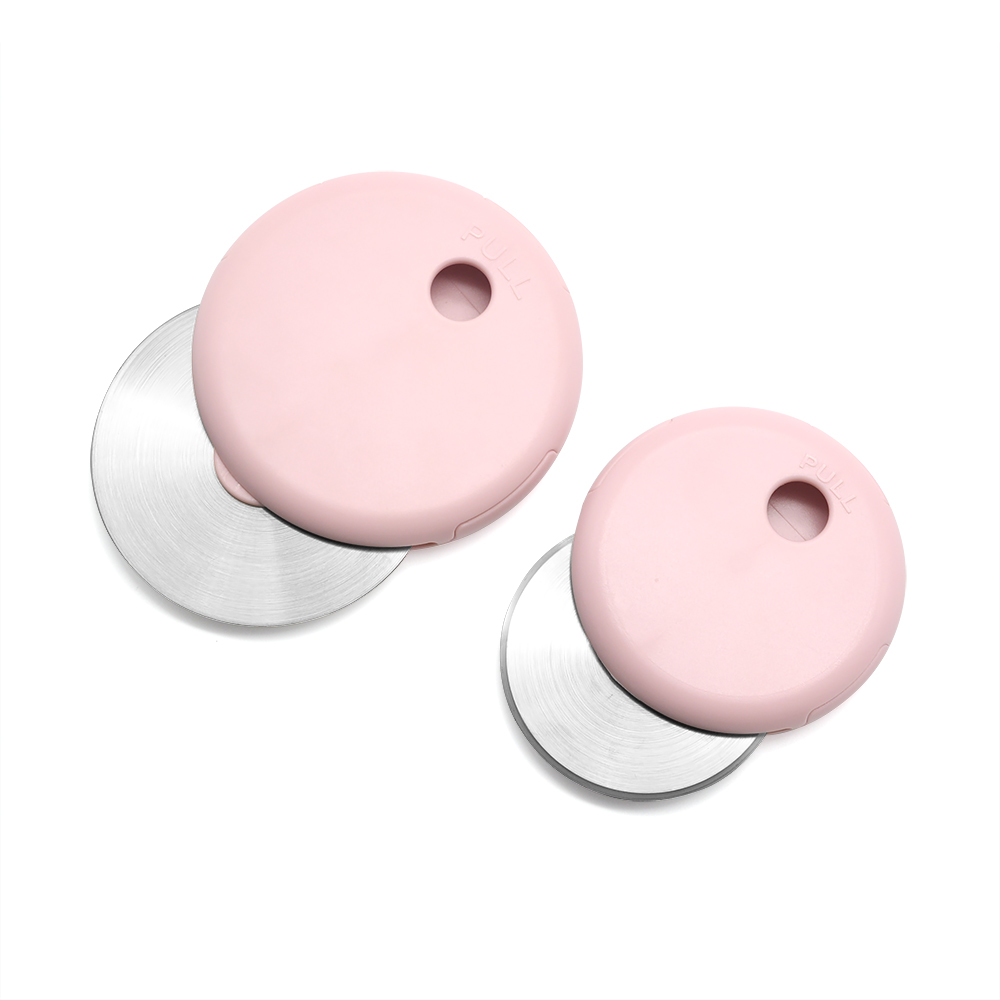
Pizza Cutting Wheel China Factory Insights
Sourcing a pizza cutting wheel from China can be a practical route for kitchenware brands, importers, distributors, and retail buyers that need consistent supply and flexible design options. However, the best result does not come from choosing the lowest quote. It comes from evaluating whether a factory or supplier can make the product you need, document the materials used, control production quality, and communicate clearly before, during, and after an order.
A pizza cutting wheel is a simple utensil, but small differences matter. Buyers should look closely at blade sharpness, handle comfort, wheel rotation, cleaning design, packaging strength, and safety details such as guards or protected edges where applicable. The original sourcing goal is straightforward: find a reliable pizza cutter factory in China that can produce a durable, comfortable, and market-appropriate item for your sales channel.
Key Takeaways
- Evaluate a pizza cutting wheel factory by sample quality, communication, material transparency, and quality-control process.
- Ask specific questions about blade material, handle material, packaging, logo options, inspection steps, and lead time instead of assuming standard specifications.
- Compare manufacturers and trading suppliers based on your need for customization, order flexibility, and production control.
- Use pre-production samples and third-party inspection options to reduce sourcing risk before shipment.
What Buyers Usually Need from a Pizza Cutter Factory
For B2B sourcing, the buyer’s requirement is rarely just “a pizza cutter.” A distributor may need neutral wholesale packaging. A private-label brand may need a logo, color selection, barcode, and retail-ready packaging. A foodservice buyer may focus more on robust construction and easy cleaning. An e-commerce seller may prioritize product consistency, carton strength, and clear photography-ready finishing.
Before contacting suppliers, prepare a short product brief. Include the target market, expected use case, preferred wheel diameter if known, handle style, packaging format, labeling requirements, order quantity range, and whether the item must match an existing product line. If you do not know the exact material grade, do not guess. Ask the supplier to state the blade material and handle material in writing and to explain available alternatives.
How to Evaluate a Pizza Cutting Wheel Manufacturer
A capable pizza cutting wheel manufacturer should be able to explain how the product is made and checked. Buyers should ask whether the factory handles blade forming, handle assembly, polishing, packaging, or only part of the process. This helps you understand how much direct control the supplier has over quality and schedule.
Important evaluation points include the smoothness of wheel rotation, edge consistency, handle fit, visible burrs, surface finish, and whether the handle feels secure under pressure. A sample should be tested on different pizza crust textures, but also inspected dry in the hand. Wiggle the wheel, press the handle, check for sharp unfinished edges, and wash the item to see whether water is trapped in hard-to-dry areas.
Do not rely only on catalog photos. Request current samples, close-up images, packaging images, and written confirmation of what can be customized. If your brand needs a specific product claim, material requirement, or market compliance document, ask what documentation the supplier can provide and verify it independently where necessary.
Factory, Supplier, or Trading Partner: Which Fits Your Order?
In China sourcing, the word “supplier” may refer to a direct factory, a manufacturer with subcontracted processes, or a trading company that coordinates production. Each model can be useful, depending on your project.
| Option | Best For | Questions to Ask |
|---|---|---|
| Direct factory | Custom designs, repeat orders, closer production control | Which processes are done in-house? Can you provide pre-production samples? How is final inspection handled? |
| Trading supplier | Mixed kitchenware orders, smaller assortment sourcing, communication support | Which factory makes this item? Can product specifications be confirmed in writing? Who is responsible for quality issues? |
| OEM manufacturer | Private-label products, logo packaging, adjusted handle or blade designs | What customization options are available? What are the tooling, sample, approval, and production steps? |
| Wholesale supplier | Standard pizza cutters with faster selection from existing styles | Are the items in stock or made to order? Can packaging and carton details be confirmed before shipment? |
Material and Design Questions to Ask
The original article notes that buyers should look for transparency around materials such as food-grade stainless steel for blades and durable plastics or wood for handles. Since specifications vary by model, buyers should not assume every pizza cutting wheel uses the same grade or handle construction. Instead, ask the supplier to identify the actual material used for the quoted item and note it on the quotation or product specification sheet.
Useful questions include:
- What is the blade material, thickness, and finishing process for this model?
- What handle materials are available, such as plastic, wood, or other options?
- Can the wheel be disassembled for cleaning, or is it a fixed construction?
- Does the design include a guard, thumb rest, hanging hole, or non-slip grip?
- Can the logo be added to the handle, blade, hang tag, or packaging?
- What packaging formats are available for retail, wholesale, or online shipment?
These questions help prevent misunderstandings. For example, two pizza cutters may look similar in photos, but differ in blade thickness, balance, handle finish, packaging, and long-term durability.
Sample Review and Quality Control Checklist
Samples are one of the most important steps when evaluating a pizza cutter factory in China. A sample should represent the exact product you plan to order, not only a general catalog item. If changes are requested, confirm whether a revised pre-production sample will be made before mass production.
Use a practical checklist during sample review:
- Confirm the blade rotates smoothly without excessive looseness.
- Check the cutting edge for burrs, uneven sharpening, or visible defects.
- Inspect the handle for cracks, rough seams, loose fitting, or uncomfortable pressure points.
- Wash and dry the product to assess cleaning convenience and trapped water areas.
- Review logo placement, print clarity, packaging layout, and barcode position if applicable.
- Drop-test or compression-check packaging when shipping through e-commerce or long-distance distribution channels.
- Record acceptable tolerances and defects before approving production.
For larger or repeat orders, buyers may also arrange third-party inspection. The original article correctly highlights that reliable factories should be open to samples and third-party inspections. Inspection scope can include quantity check, workmanship, packaging, labeling, carton marks, and basic function checks.
Customization and OEM Considerations
Many China pizza cutter suppliers can discuss customization, from adding a logo to developing a new look. Still, customization should be managed carefully. Confirm whether the change affects tooling, unit cost, lead time, packaging dimensions, or cleaning performance. If you are changing handle shape, blade diameter, or structural parts, request drawings or technical confirmation before sample approval.
Private-label buyers should also define ownership of artwork, packaging files, molds, and any custom components. If a supplier proposes a “new design,” ask whether it is exclusive, semi-custom, or available to other buyers. This is especially important for brands selling through competitive online marketplaces.
Commercial Details to Confirm Before Ordering
Do not assume manufacturing capacity, MOQ, lead time, certifications, or pricing. These details vary by model, order size, season, and packaging requirements. Ask each supplier the same set of commercial questions so you can compare quotations fairly.
- What is the MOQ for the standard model and for customized packaging?
- What is the sample cost and sample lead time?
- What is the estimated production lead time after sample approval?
- Which payment terms are available?
- What are the carton size, gross weight, and packing quantity?
- Which export documents can be provided?
- How are defects, shortages, or shipment damage handled?
A clear written purchase specification is often more valuable than a long email chain. Include product photos, item code, material description, logo files, packaging artwork, inspection standard, carton marks, and approved sample reference.
FAQ
How do I know if a pizza cutting wheel China factory is reliable?
Review samples, ask for written product specifications, check communication quality, request details of quality-control steps, and consider third-party inspection before shipment. Reliability is shown through consistency and transparency, not only a low price.
Should I choose a direct factory or a trading supplier?
Choose a direct factory when you need customization and closer production control. A trading supplier can be useful when you are sourcing multiple kitchenware items or need broader product coordination. Ask who is responsible for quality and after-sales issues.
Can I customize a pizza cutter with my brand logo?
Many suppliers offer logo or packaging customization, but the available methods depend on the product design and order requirements. Ask about logo placement, sample approval, artwork format, MOQ, lead time, and any added cost.
What should I check in a pizza cutter sample?
Check blade rotation, cutting edge condition, handle comfort, assembly strength, surface finish, cleaning convenience, packaging quality, and whether the sample matches the written specification.
What information should be included in a purchase order?
Include the item code, approved sample reference, material details confirmed by the supplier, packaging requirements, logo artwork, quantity, inspection requirements, delivery terms, and agreed timeline.
