




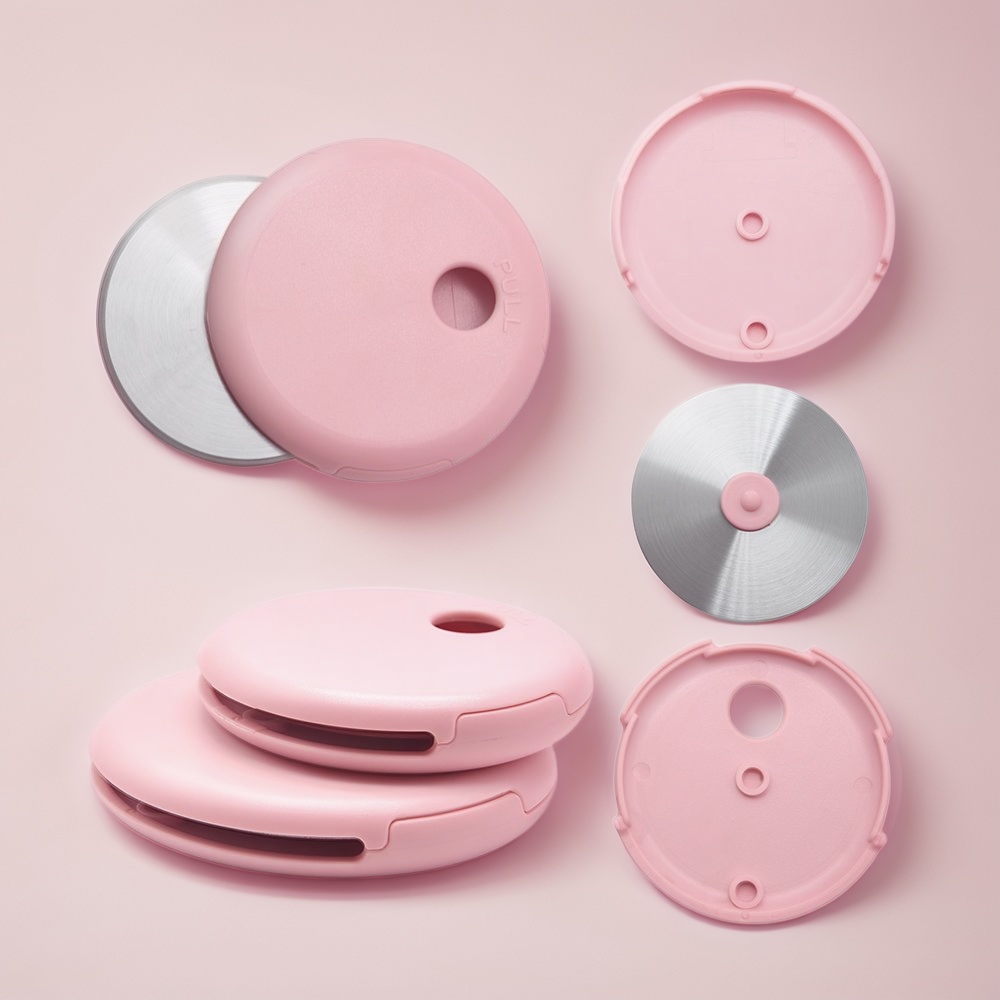
Pizza Cutting Wheel China Factory: Sourcing Guide for Buyers
Sourcing from a pizza cutting wheel China factory can be a practical route for kitchenware brands, importers, promotional product companies, and wholesale distributors. The original article highlighted three useful points: finding a specialized factory, understanding the benefits of direct manufacturing, and checking supplier reliability. This expanded guide turns those ideas into a clearer sourcing process for B2B buyers who need consistent product quality, responsive communication, and realistic commercial terms.
A pizza cutting wheel looks simple, but small differences in wheel sharpness, handle construction, axle stability, packaging, and finishing can affect user satisfaction. Before choosing a supplier, buyers should define the target market, price positioning, branding needs, and expected inspection standards. The best sourcing decision is not only about finding a low unit price; it is about matching the factory’s capabilities with your product requirements and order risk tolerance.
Key Takeaways
- Direct factory sourcing may offer more control over design, branding, packaging, and production communication.
- Do not assume material grade, food-contact compliance, MOQ, or production capacity; ask the supplier to confirm details in writing.
- Always review samples before placing a bulk order, especially for wheel sharpness, handle comfort, and assembly strength.
- Use a comparison checklist to evaluate several China pizza cutter suppliers on the same criteria.
Why Source Pizza Cutting Wheels from a China Factory?
Many buyers consider China-based kitchen utensil factories because they often support large-scale production, varied designs, and export-oriented packaging options. A specialized pizza cutting wheel manufacturer may be able to discuss handle materials, colors, logo application, retail packaging, and carton requirements more directly than a general trading company. This can be helpful for private-label programs, seasonal retail promotions, hospitality supply, or online marketplace assortments.
Working with a factory can also simplify communication about product changes. If you need a different handle shape, a branded insert card, or a revised package layout, direct discussion with the production side may reduce misunderstandings. However, factory sourcing still requires careful verification. Buyers should ask how the factory manages incoming materials, in-process inspection, final inspection, and packaging checks rather than relying on broad claims such as “high quality.”
Define Your Product Requirements Before Contacting Suppliers
Before requesting quotations, prepare a simple product brief. This helps suppliers quote accurately and prevents later disputes. Include the intended product type, target market, approximate order quantity, packaging style, and any known regulatory or retailer requirements. If you do not know exact specifications, ask the supplier what options are available and request documentation for any claims they make.
Useful questions to answer internally include:
- Is the pizza wheel for retail sale, foodservice, promotional gifting, or bundled kitchenware sets?
- Do you need OEM branding, neutral stock packaging, or customized retail packaging?
- What handle material, color, size range, and visual style fit your market?
- What level of durability and finish is expected by your customers?
- Will you arrange third-party inspection before shipment?
Do not list a material grade or certification in your purchase order unless it has been confirmed and supported by supplier documentation. If food-contact compliance is required in your destination market, ask the factory what tests or documents can be provided and whether they apply to the exact product you are buying.
Factory, Trading Company, or Wholesaler: What Is the Difference?
A factory usually controls production or assembly, which may be useful for customization and technical feedback. A trading company may offer broader product variety and easier consolidation across categories. A wholesaler may be suitable for smaller or faster orders, especially when customization is not needed. None is automatically better; the right choice depends on your volume, timeline, customization needs, and inspection plan.
| Supplier Type | Best For | Questions to Ask |
|---|---|---|
| Pizza cutting wheel factory | OEM projects, branding, packaging changes, repeated orders | What processes are done in-house? Can you provide samples and quality control details? |
| Trading company | Mixed kitchenware orders and supplier coordination | Which factory makes the product? How is quality checked before shipment? |
| Wholesaler | Standard items, smaller trial orders, quick replenishment | Is the item in stock? Are product materials and packaging fixed or adjustable? |
Quality Points to Check on a Pizza Cutting Wheel
Because a pizza cutter is handled repeatedly and used with pressure, buyers should focus on practical performance. Request pre-production or approval samples and test them in realistic use. Cut through thin crust, thick crust, and toppings if that reflects your customer use case. Check whether the wheel rotates smoothly, whether the handle feels secure, and whether the product is easy to clean.
Important sample review points include:
- Wheel edge: It should be sharp enough for the intended use and finished consistently.
- Rotation: The wheel should turn without excessive wobble or stiffness.
- Handle comfort: The shape should be stable in the hand and suitable for the target user.
- Assembly: The axle and connection points should feel secure during repeated cutting.
- Surface finish: Look for burrs, scratches, uneven coating, or rough edges.
- Packaging: Confirm that retail packaging protects the product and matches your artwork requirements.
If the supplier states that the product is rust-resistant, food-grade, or compliant with a specific market requirement, ask for supporting documents and clarify whether they relate to the exact item, batch, and material configuration you plan to order.
OEM and Branding Considerations
One benefit of working with a manufacturer is the potential for customization. Depending on the supplier’s actual capabilities, buyers may be able to request logo printing, handle color options, hang tags, instruction inserts, barcode labels, or custom cartons. Since customization can affect cost, lead time, and minimum order quantity, confirm each detail before approving artwork.
Provide clear files and instructions. For example, specify logo size, placement, color reference, packaging dimensions, carton marks, and any required warning or care text. Ask for a digital proof and, when appropriate, a physical pre-production sample. This is especially important for retail programs where packaging consistency matters as much as the utensil itself.
How to Evaluate a China Pizza Cutter Supplier
Supplier evaluation should be systematic. Instead of comparing only price, create a scoring sheet covering communication, sample quality, production transparency, documentation, packaging support, and willingness to answer technical questions. A reliable supplier should be able to explain what they can and cannot do. Vague answers are a sign to slow down and request clarification.
Ask potential suppliers:
- What product options are currently available for pizza cutting wheels?
- Can you provide samples, and are sample costs or shipping charges required?
- What is the usual production lead time after sample and artwork approval?
- What is the MOQ for standard and customized versions?
- How do you inspect wheel sharpness, assembly, appearance, and packaging?
- Can you support third-party inspection before shipment?
- What export packaging methods are available to reduce transit damage?
Order Planning and Risk Reduction
For a first order, avoid rushing directly into a large customized purchase without sample approval. Start with a clear specification sheet, written quotation, and agreed sample. Confirm payment terms, delivery terms, packaging details, and inspection timing before production begins. If your project has a fixed retail launch date, build in time for sample revisions, artwork approval, production, inspection, and shipping.
A practical purchase file should include the confirmed product description, approved sample photos, packaging artwork, carton requirements, inspection criteria, and any documents required for import. Keeping these details organized reduces disputes and helps the factory understand your expectations.
Practical FAQ
Should I buy directly from a pizza cutting wheel China factory?
Direct factory sourcing can be useful if you need OEM branding, repeated orders, or packaging customization. If you need small quantities or mixed kitchenware categories, a wholesaler or trading company may also be worth comparing.
What information should I request before placing an order?
Ask for product options, sample availability, material information, MOQ, lead time, packaging choices, inspection process, and any documents required for your market. Get important claims confirmed in writing.
How can I check quality before shipment?
Approve samples first, then use a pre-shipment inspection checklist covering appearance, wheel rotation, sharpness, assembly strength, packaging, labeling, and carton condition. A third-party inspection may be appropriate for larger orders.
Can a supplier customize the handle or packaging?
Many suppliers may offer customization, but options vary. Ask what can be changed, what MOQ applies, how artwork is approved, and whether a pre-production sample is available.
What is the biggest sourcing mistake to avoid?
A common mistake is choosing only by the lowest quote. Compare sample quality, communication, documentation, packaging support, and inspection cooperation before committing to bulk production.
