




Plastic Measuring Cup Manufacturer: How to Source Practical Measuring Cups for Wholesale and OEM Orders
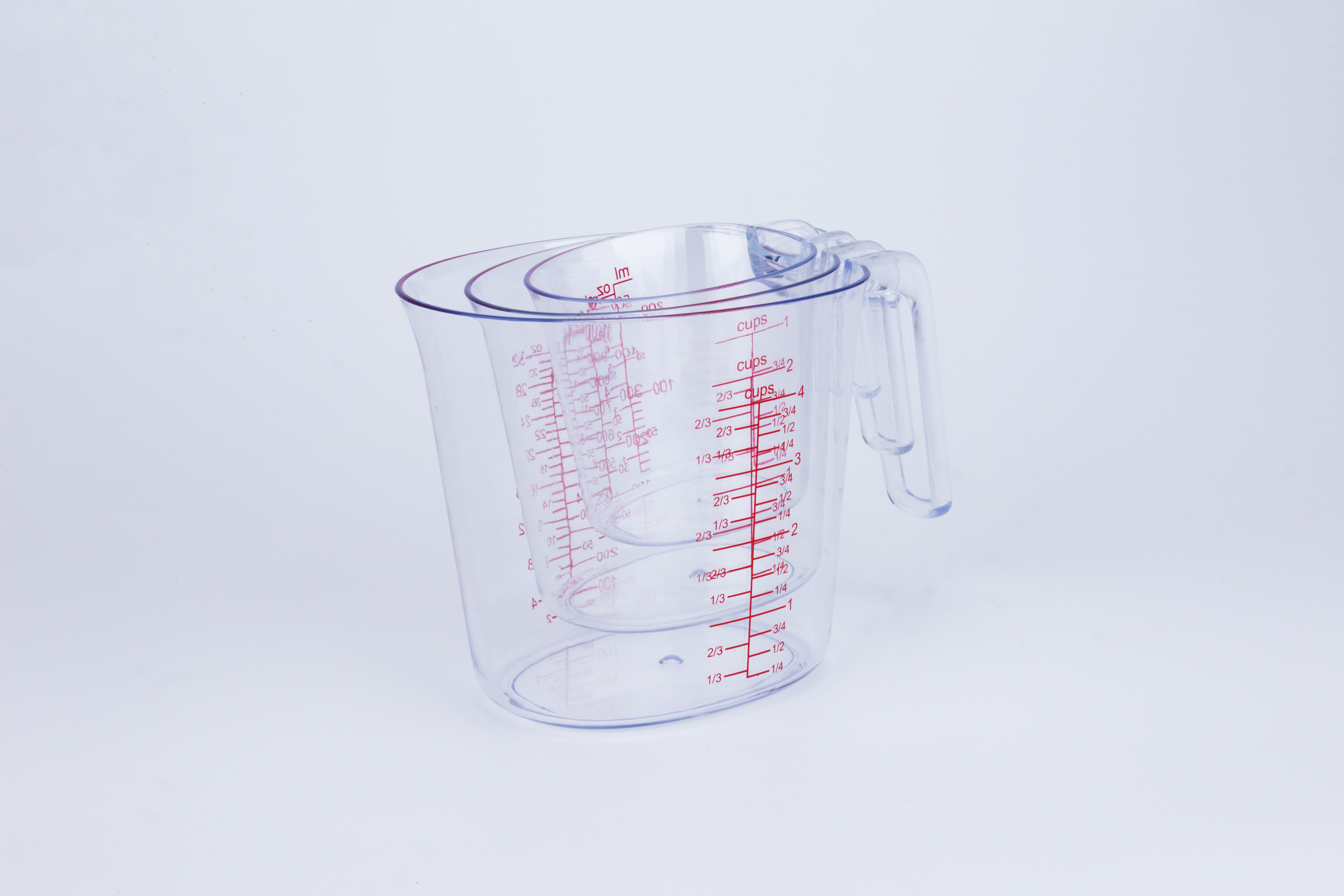
Choosing a plastic measuring cup manufacturer is not only about finding a low unit price. For kitchenware buyers, distributors, retailers and brand owners, the better question is whether the product is clear to read, comfortable to use, space-efficient to store and consistent enough for repeat orders. The original Bonet Houseware article described an amber-hued polycarbonate measuring cup set with milliliter and ounce markings, wide mouths, robust handles, a stackable design and a largest cup of 1000ml. Those are useful product details, but buyers still need a structured way to evaluate the supplier behind the product.
This guide explains what to review when sourcing plastic measuring cups for wholesale, private label or OEM projects. It focuses on practical selection criteria rather than broad claims, helping purchasing teams ask better questions before confirming samples, packaging and production requirements.
Key Takeaways
- Check the measuring scale first: milliliter and ounce markings should be visible, logical and durable enough for the intended use.
- Confirm material information in writing; the referenced product is described as amber-hued polycarbonate, but buyers should verify details for each order.
- Request samples to test pouring, grip comfort, stacking and readability before discussing larger wholesale quantities.
- For OEM orders, clarify artwork, packaging, carton configuration, inspection standards and lead time with the supplier.
What Makes a Plastic Measuring Cup Suitable for Wholesale?
A measuring cup is a simple product, but it performs several jobs at once. It must hold ingredients, display quantities clearly, pour without unnecessary mess and withstand repeated handling. In retail or foodservice supply, a poor design can lead to returns, complaints or inconsistent user experience.
The product described in the source article includes graduated marks in milliliters and ounces, which is valuable for buyers serving markets where recipes use different measurement systems. A wide mouth can make filling and pouring easier, especially for flour, sugar, liquids or bulk prep. Robust handles also matter because a full 1000ml cup has weight; users need a secure grip, not a decorative feature that feels weak in use.
For wholesale programs, stackability is another important point. Stackable measuring cups reduce shelf volume, shipping volume and back-of-house storage space. Buyers should still test whether stacked cups separate easily, because a compact design that jams during use can frustrate customers.
Material and Design Questions to Ask the Manufacturer
The original article identifies the cups as amber-hued polycarbonate and describes them as durable and breakage-resistant. Those details are useful, but professional buyers should avoid assuming that every future batch, size or custom version has identical properties unless the supplier confirms it. Ask for written material information, intended use guidance and any limitations related to temperature, cleaning method or food contact markets.
Important design questions include:
- Are the milliliter and ounce markings molded, printed or applied by another process?
- How readable are the markings on the amber-colored body under normal kitchen lighting?
- Does the wide mouth pour cleanly with both liquids and dry ingredients?
- Is the handle comfortable when the largest 1000ml cup is full?
- Do the cups stack securely without sticking together?
- Can the supplier provide the same shape, color and markings for repeat orders?
These questions help buyers move from general product appeal to measurable sourcing criteria.
Comparison Checklist for Evaluating Plastic Measuring Cup Suppliers
| Evaluation Area | What to Check | Why It Matters |
|---|---|---|
| Measurement markings | Milliliter and ounce scales, visibility, alignment and durability | Accurate reading is the core function of the product |
| Material confirmation | Written material description and use limitations | Prevents assumptions about performance or market suitability |
| Handle design | Grip comfort when filled, edge smoothness and balance | Improves safety and daily usability |
| Pouring performance | Wide mouth, rim shape and control with liquids or dry goods | Reduces spills and improves user satisfaction |
| Stacking | Storage height, stability and ease of separation | Supports retail storage, warehouse packing and kitchen organization |
| OEM support | Logo method, packaging options, carton details and sample process | Helps brands plan launch timelines and quality expectations |
OEM and Wholesale Sourcing Process
For B2B orders, start with the product brief. Specify the target market, expected sales channel, desired cup sizes, color preference, marking units, packaging format and whether you need a standard product or a customized version. If the largest cup in the set is 1000ml, confirm the full size range of the set and whether smaller cups match your assortment plan.
Next, request physical samples. A photo cannot show whether the handle feels stable, whether the markings are easy to read from different angles or whether the cups separate smoothly after stacking. During sample review, fill the largest cup with water, pour it several times, read the scale at eye level and from above, and test the product with common dry ingredients. Note any issues before discussing order details.
When moving toward a wholesale order, ask the manufacturer practical commercial questions without assuming the answer. These may include available packaging choices, logo placement options, carton packing, production lead time, inspection process, payment terms and how color consistency is controlled. If you need documentation for a specific destination market, ask what the supplier can provide and verify whether it matches your legal obligations.
Quality Control Points Before Shipment
Quality control should be tied to how customers actually use measuring cups. A purchasing team can build a simple inspection checklist covering appearance, dimensions, scale readability, handle condition, rim smoothness, stacking fit and packaging condition. For a measuring cup set, also confirm that each set contains the correct cup sizes and that the largest 1000ml cup is included if that is part of the agreed specification.
Because measurement tools rely on user trust, markings deserve special attention. Inspect whether the milliliter and ounce marks are complete, correctly positioned and consistent across samples. If markings are printed, discuss resistance to normal handling and cleaning expectations with the supplier. If they are molded, check whether they remain easy to see against the amber hue.
How to Position Plastic Measuring Cups for Different Buyers
Retail buyers often care about shelf presentation, packaging clarity and whether the set looks organized when stacked. Foodservice and professional kitchen buyers may care more about durability, grip, large-capacity use and easy reading during fast prep work. Online sellers need accurate product descriptions, clear photos and packaging that can survive parcel handling.
The amber tone can help the product stand apart visually, but it should not replace functional claims. Product copy should focus on explicit features: polycarbonate material as described, milliliter and ounce graduations, wide mouth, robust handles, stackable design and the 1000ml largest cup. Avoid adding unverified claims about certifications, heat resistance, dishwasher performance or laboratory testing unless the supplier provides documentation.
Practical FAQ
What should I ask a plastic measuring cup manufacturer first?
Ask for the material description, size list, measurement units, sample availability, packaging options and whether the supplier supports wholesale or OEM customization. These answers help you decide whether the product fits your channel before discussing price.
Are milliliter and ounce markings important?
Yes. Dual markings make the cup easier to use across recipe systems and export markets. Buyers should check visibility, placement and consistency during sample review.
Why does stackable design matter for measuring cups?
Stacking reduces storage space in kitchens, warehouses and retail displays. However, samples should be tested to ensure the cups do not stick together when nested.
Can I claim specific compliance or certifications in my product listing?
Only if the supplier provides valid documentation for the exact product and target market. Do not add compliance, testing or certification claims based only on general product descriptions.
What is the best way to compare wholesale measuring cup suppliers?
Use the same sample checklist for every supplier: material confirmation, marking readability, pouring control, handle comfort, stacking performance, packaging and repeat-order consistency.
Final Sourcing Advice
A good plastic measuring cup manufacturer should help buyers confirm both product function and order details. The referenced amber-hued polycarbonate measuring cup set has several useful features for sourcing consideration, including dual unit markings, wide mouths, sturdy handles, stackability and a 1000ml largest cup. The next step for any wholesale or OEM buyer is to validate those details through samples, written specifications and a clear inspection plan before placing a larger order.
