




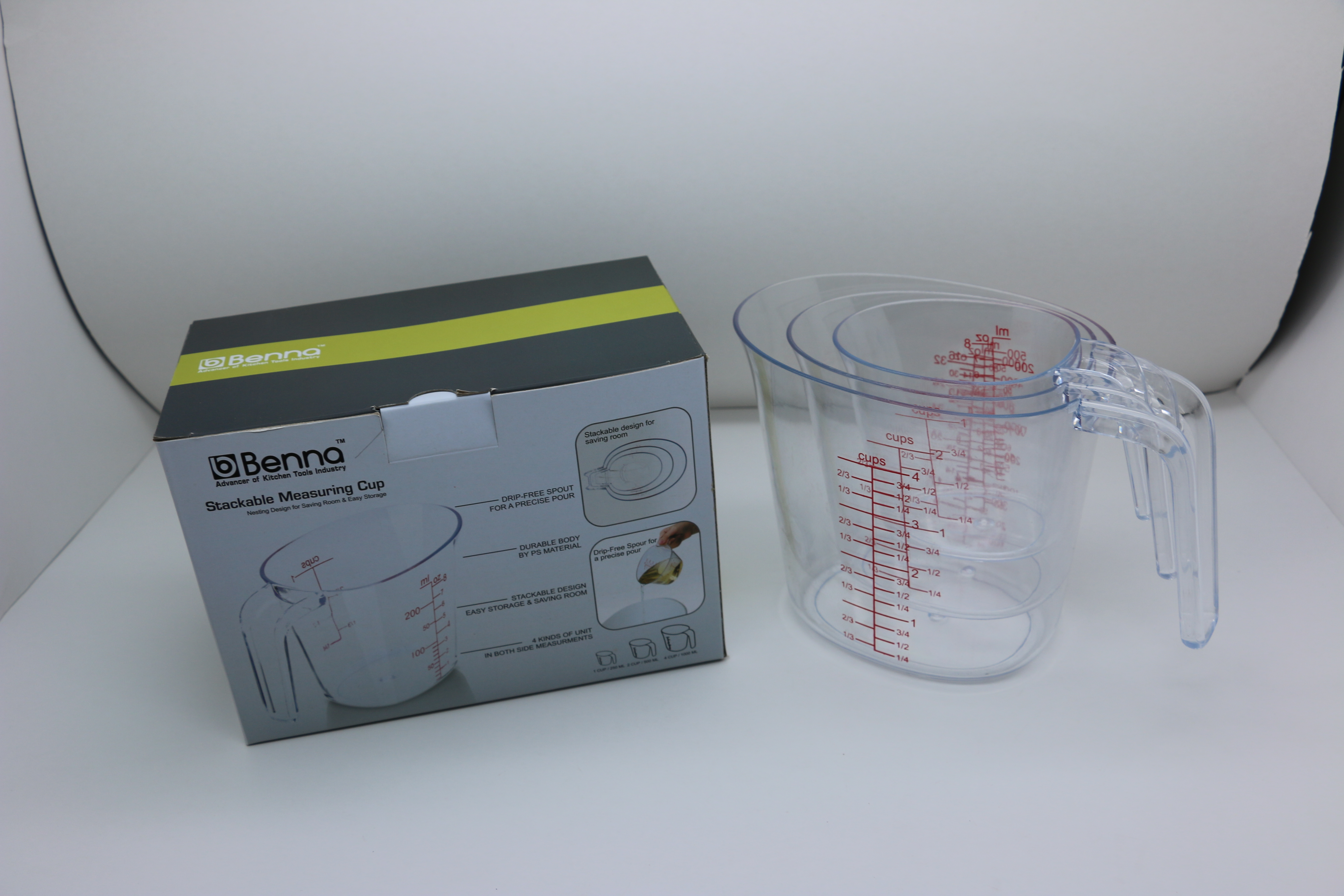
Plastic Measuring Cup Manufacturer: Practical Sourcing Guide for Buyers
Choosing a plastic measuring cup manufacturer is not just a matter of finding a low unit price. For retailers, distributors, hospitality buyers, and kitchenware brands, the right supplier affects product consistency, customer returns, packaging quality, and long-term reorder reliability. A measuring cup looks simple, but buyers still need to check clarity of markings, handle comfort, stacking performance, durability, and how well the item fits the target market.
The original product description highlights amber plastic measuring jugs made in sizes from 200 ml to 1000 ml, with metric and imperial markings, ergonomic design, stackable construction, dishwasher-safe use, stain resistance, and BPA-free plastic. Those are useful starting points, but a serious sourcing process should verify each point through samples, written specifications, and supplier confirmation before placing a wholesale or OEM order.
Key Takeaways
- Plastic measuring cups should be evaluated for readable markings, comfortable handling, stable pouring, and practical size range.
- For wholesale sourcing, ask suppliers to confirm material, packaging, marking method, carton details, lead time, and customization options in writing.
- Do not rely only on catalog images; request samples and test them with water, oil, flour, and regular washing conditions.
- For OEM or private label projects, clarify whether color, logo, scale markings, packaging, and barcode requirements can be supported.
What Buyers Should Check First
A good plastic measuring cup needs to perform accurately in everyday use. The first detail to inspect is the measurement scale. Metric and imperial markings should be clear, aligned, and easy to read through the cup wall. If the product uses amber plastic, check whether the color still allows users to see liquid levels from the side without guessing.
Next, examine the handle and pouring lip. A measuring jug is often used with wet hands, sticky ingredients, or hot kitchen environments, so the grip should feel secure and balanced when the cup is full. Stackable shapes can help retailers and food-service buyers save storage space, but stacking should not scratch the markings or make the cups difficult to separate.
Product Details to Confirm Before Ordering
The source article mentions 200 ml to 1000 ml sizes, BPA-free plastic, dishwasher-safe performance, stain resistance, metric and imperial markings, ergonomic design, and stackability. These details should be treated as specification points to confirm, not assumptions. Ask the manufacturer for a written product sheet for each size, because one size in a range may differ from another in wall thickness, handle shape, or marking layout.
For kitchenware buyers, the most useful sample test is simple: fill the measuring cup to common levels, pour repeatedly, wash it, stack it, and then inspect the markings. If the markings fade, smear, or become hard to read, the product may create after-sales problems. If the cup tips easily when filled or the handle flexes too much, it may not suit professional kitchens or busy households.
Comparison Checklist for Plastic Measuring Cups
| Evaluation Point | What to Check | Buyer Question to Ask |
|---|---|---|
| Size range | Whether 200 ml, 1000 ml, and any intermediate sizes match the intended assortment | Can you provide the full size list with dimensions and capacity details? |
| Markings | Readability of metric and imperial scales from different angles | How are the measurement markings applied, and how should they be cleaned? |
| Material | Plastic type, color, transparency, and BPA-free claim documentation | What material is used, and what documents can you provide for buyer review? |
| Use performance | Dishwasher-safe and stain-resistant claims under normal use | What usage guidance and limitations should be printed or supplied? |
| Storage | Stacking stability, carton fit, and risk of scratching during shipment | How are the cups packed to protect markings and handles? |
| Wholesale terms | Lead time, minimum order quantity, packaging, and reorder consistency | What are the MOQ, sample policy, production time, and carton specifications? |
Wholesale and OEM Sourcing Considerations
When sourcing wholesale plastic measuring cups, separate product evaluation from commercial negotiation. First decide whether the item meets the use case: retail shelf, supermarket promotion, restaurant supply, baking kit, gift set, or private label kitchenware range. Then ask about commercial details such as minimum order quantity, lead time, sample cost, payment terms, shipping carton size, and whether mixed-size assortments are possible.
For OEM projects, buyers should ask whether the manufacturer can support custom colors, logo placement, packaging artwork, barcode labels, and instruction inserts. If the measuring cup includes both metric and imperial markings, confirm whether the scale layout can be changed for different markets. Do not assume that a supplier can adjust molds, markings, or packaging without added cost or longer production time.
Buyers should also ask how consistency is controlled between repeat orders. A small variation in color, scale visibility, or handle shape may matter if the product is sold as part of an established range. Request a signed sample or approved reference sample before bulk production so both sides have a clear standard.
How to Evaluate Samples Like a Professional Buyer
- Inspect the cup under bright and low light to check whether the scale is readable.
- Fill it with water to several measurement levels and compare against a known reference tool.
- Pour slowly and quickly to check dripping, control, and handle comfort.
- Wash according to the supplier's guidance, then inspect the surface and markings.
- Stack multiple pieces and separate them to check friction, scratching, and storage convenience.
- Review packaging strength by simulating shelf handling and carton movement.
This process is especially important for buyers planning to sell the product under their own brand. A measuring cup that looks acceptable in a photo may not meet expectations once customers use it with oils, sauces, flour, or colored ingredients. If stain resistance and dishwasher-safe use are important selling points, ask the supplier to provide clear care instructions and any available test information for review.
Questions to Ask a Plastic Measuring Cup Manufacturer
Before confirming a purchase order, send a concise questionnaire to the supplier. Useful questions include: What plastic is used? What sizes are available? Are the cups supplied in amber only, or are other colors possible? Are the markings metric, imperial, or both? Can the product be stacked without damaging the scale? What packaging formats are available for wholesale and retail?
Commercial questions are just as important. Ask about MOQ, sample timing, production lead time, carton quantity, gross weight, export packaging, and how defects are handled. If compliance documentation is required for your market, ask what documents the supplier can provide, and review them with your internal team or testing partner rather than assuming suitability.
Use and Care Guidance for End Customers
If you resell plastic measuring cups, clear customer guidance can reduce complaints. Recommend using the cup for normal kitchen measuring tasks, reading the scale at eye level, and following the supplier's washing guidance. If the product is described as dishwasher-safe, it is still wise to tell customers to avoid harsh cleaning tools that may scratch the surface or make markings harder to read over time.
For dry ingredients, customers should avoid packing powders too tightly unless a recipe requires it. For liquids, they should place the cup on a flat surface before reading the level. These simple instructions make the product easier to use and help customers get more consistent cooking or baking results.
FAQ
What makes a good plastic measuring cup for wholesale?
A good wholesale measuring cup has clear markings, stable handling, practical sizes, protective packaging, and consistent quality across repeat orders.
Are metric and imperial markings important?
Yes. Dual markings help the same product serve more users and recipes, but buyers should check that both scales are easy to read and correctly positioned.
Can I request private label packaging?
Possibly, but it depends on the supplier's capabilities. Ask about logo options, artwork requirements, MOQ, packaging style, barcode labels, and approval samples.
What should I verify about BPA-free plastic?
Ask the manufacturer what material is used and what documentation is available for your review. Requirements can vary by market and sales channel.
How do I reduce risk before placing a bulk order?
Request samples, test the markings and pouring performance, confirm written specifications, approve packaging, and clarify defect handling before production.
