




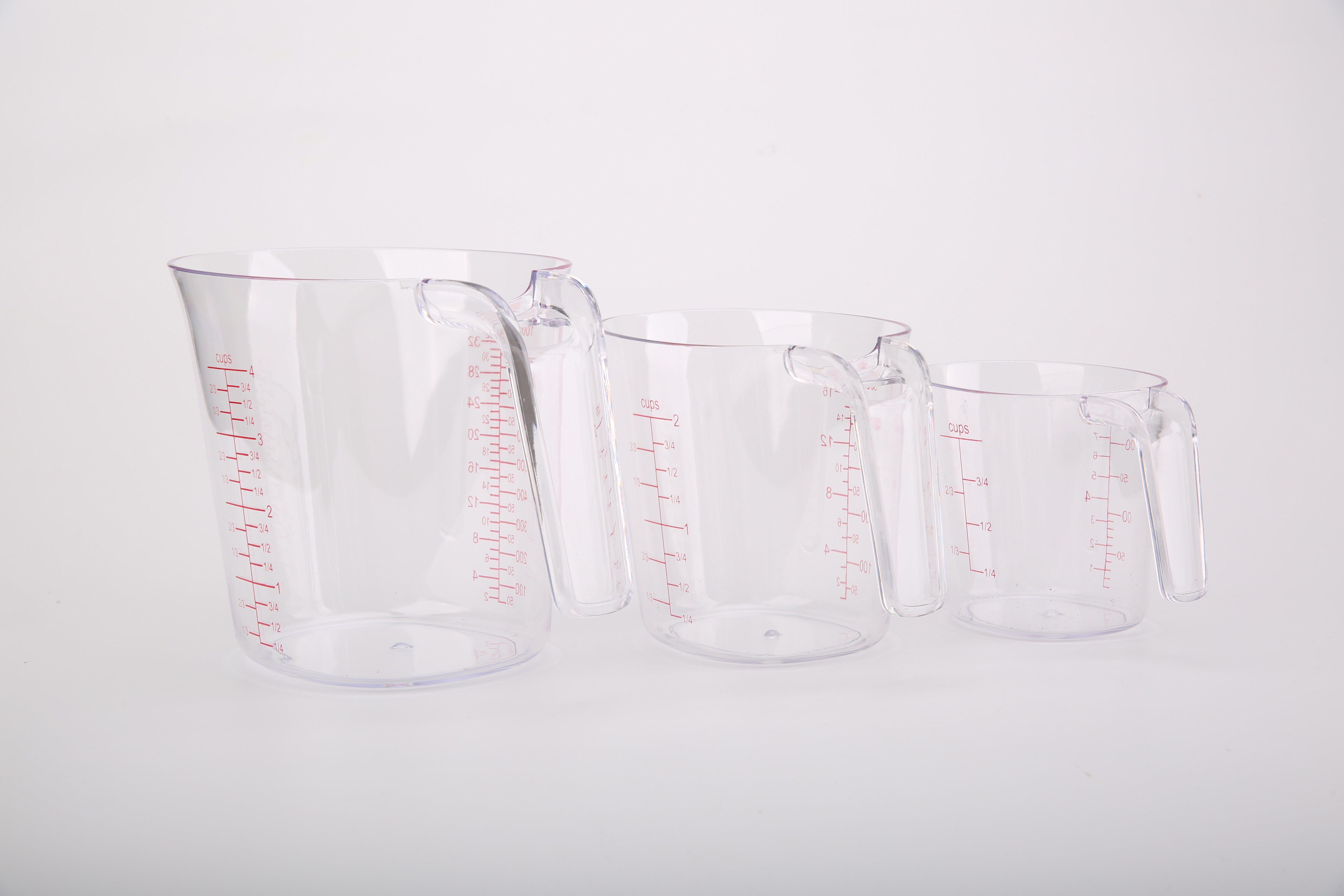
Plastic Measuring Cup Manufacturer's Amber Collection
For retailers, hospitality buyers, distributors, and kitchenware sourcing teams, a plastic measuring cup is a small product that carries a large responsibility. It must be easy to read, comfortable to hold, practical to pour from, and consistent enough for everyday measuring tasks. The Amber Collection from Bonet Houseware presents a distinctive option for buyers looking for plastic measuring jugs with a warm smoked amber appearance and clear white measurement scales.
This guide rewrites the original product introduction into a more practical sourcing article. It explains what is known from the product description, how to evaluate the collection for wholesale or OEM discussions, and which questions buyers should ask before placing an order.
Key Takeaways
- The Amber Collection is described as a line of plastic measuring jugs in a warm, smoked amber hue.
- Explicitly stated sizes include 1000 ml, 500 ml, and 250 ml options.
- The original product description mentions durable polycarbonate, white scales, milliliter and ounce markings, ergonomic handles, and seamless lip designs.
- B2B buyers should confirm packaging, carton quantity, customization options, MOQ, lead time, and compliance requirements directly with the supplier.
- For wholesale success, evaluate readability, pouring control, handle comfort, shelf presentation, and replacement demand.
What the Amber Collection Offers
The Amber Collection is positioned as a group of plastic measuring cups or measuring jugs designed for kitchen use. The most visible feature is the warm smoked amber color, which gives the jugs a different look from clear measuring cups commonly found in retail or commercial kitchens. For category managers, this color can help create visual separation on a shelf, in a product set, or within a branded kitchenware range.
The original article states that the jugs are crafted from durable polycarbonate. It also lists three capacities: 1000 ml, 500 ml, and 250 ml. These sizes cover common kitchen measuring needs, from larger liquid quantities to smaller ingredient portions. The measuring scales are described as white and include both milliliters and ounces, making the product more useful for buyers serving markets where metric and imperial references may both be needed.
Product Details Buyers Should Evaluate
A product page can introduce a measuring jug, but a sourcing decision should go further. Buyers should request samples and assess how the item performs in normal handling. The stated ergonomic handles should be checked for comfort, grip stability, and balance when the jug is filled. A handle that feels fine when empty may behave differently when holding 1000 ml of liquid.
The seamless lip design is another useful point to test. Pouring performance matters in home kitchens, bakeries, cafés, training kitchens, and food preparation areas. Buyers should pour water at different speeds to see whether the spout controls flow cleanly and whether liquid runs down the outside wall. The white measurement scales should also be inspected under different lighting conditions to confirm that the markings remain easy to read against the amber background.
Comparison and Sourcing Checklist
The table below can help wholesale buyers compare the Amber Collection with alternative plastic measuring cups during product selection.
| Evaluation Point | Amber Collection Detail Stated | Buyer Check Before Ordering |
|---|---|---|
| Material | Durable polycarbonate is stated in the source article | Ask for material documentation and intended use guidance |
| Color | Warm smoked amber hue | Confirm color consistency across production batches |
| Sizes | 1000 ml, 500 ml, and 250 ml | Confirm exact dimensions, weight, and nesting or stacking behavior |
| Scale markings | White scales in milliliters and ounces | Check readability, print durability, and measurement tolerance questions |
| Handle | Ergonomic handle mentioned | Test grip comfort when the jug is full and when hands are wet |
| Pouring lip | Seamless lip design mentioned | Test drip control with water and thicker kitchen liquids |
| Wholesale supply | Wholesale plastic measuring cups are referenced | Ask about MOQ, lead time, packing method, and customization options |
Wholesale and OEM Questions to Ask
When the search intent includes plastic measuring cup manufacturer, wholesale measuring cups, or supplier sourcing, the most useful information is often not a slogan but a list of commercial details to verify. The original article mentions wholesale options but does not provide quantities, prices, certifications, or lead times. Buyers should therefore treat those points as questions for the supplier rather than assumptions.
- What is the minimum order quantity for each size: 1000 ml, 500 ml, and 250 ml?
- Can the three sizes be ordered separately, or only as a mixed set?
- What packaging options are available for retail, foodservice, or bulk cartons?
- Can logos, labels, or private packaging be added, and what are the setup requirements?
- What is the estimated production lead time after sample approval?
- Are replacement marking colors, custom scale layouts, or other color options available?
- What documents can be provided for material, safety, or destination-market requirements?
- How are samples charged and shipped for evaluation?
These questions help avoid misunderstandings and make supplier comparison more objective. A professional buyer should also ask for clear photos, samples from current production, carton details, and written confirmation of agreed specifications before moving to mass production.
Choosing the Right Size Mix
The three stated sizes serve different use cases. A 1000 ml measuring jug is useful for larger liquid volumes, batch preparation, and general kitchen measurement. A 500 ml jug is often more convenient for everyday cooking because it is easier to handle while still offering useful capacity. A 250 ml jug can support smaller recipes, baking steps, and compact storage needs.
Retailers may consider offering all three sizes to cover a broader price range and usage pattern. Hospitality and foodservice buyers may prefer larger quantities of one or two sizes based on actual workflow. For example, a café may use smaller jugs frequently for beverage prep, while a training kitchen may benefit from a full size range. Because the original description does not state whether the jugs nest or stack, buyers should confirm storage behavior if warehouse space or shelf efficiency is important.
Readability, Handling, and Daily Use
Measurement tools need to be simple. The white milliliter and ounce scales are a key selling point only if users can read them quickly. Buyers should check whether the scale is visible from different angles and whether the amber tint affects contrast with common ingredients. Water, milk, oil, and dry ingredients can all change how markings appear in real use.
Handling is equally important. The handle should allow a stable grip without forcing the wrist into an awkward position. The jug should stand securely on a flat surface, and the lip should make controlled pouring possible. These are not luxury details; they influence returns, reviews, and repeat orders.
How to Position the Amber Collection in a Product Range
The Amber Collection can fit several B2B channels, including kitchenware retail, home goods distribution, restaurant supply, promotional product programs, and private label houseware lines. Its amber color may appeal to buyers who want an alternative to fully transparent plastic measuring jugs. However, sourcing teams should balance appearance with practical performance.
If the product is intended for retail shelves, ask for packaging samples and barcode placement options. If it is intended for commercial kitchens, prioritize handling, durability, cleaning guidance, and replacement availability. If it is intended for an OEM or private label project, clarify artwork requirements, approval steps, and whether changes to markings or packaging are possible.
FAQ
What sizes are mentioned for the Amber Collection?
The original description lists 1000 ml, 500 ml, and 250 ml measuring jugs.
What material is stated in the source article?
The source article states that the measuring cups are crafted from durable polycarbonate. Buyers should still request material information and any required documents directly from the supplier.
Do the jugs show both metric and imperial measurements?
Yes. The original article mentions white scales in milliliters and ounces.
Can these measuring cups be purchased wholesale?
The original article refers to wholesale plastic measuring cups. Exact MOQ, pricing, carton quantity, and lead time are not stated, so buyers should confirm these details with Bonet Houseware.
What should buyers test in a sample?
Check scale readability, handle comfort, pouring control, color consistency, packaging quality, and whether the size mix suits your sales channel or kitchen workflow.
Final Sourcing Advice
The Amber Collection offers a recognizable look and practical measuring features based on the original product information: amber color, polycarbonate construction, three capacities, dual-unit white scales, ergonomic handles, and a seamless lip design. For organic search users and B2B buyers, the next step is not simply to request a quote. It is to define the target channel, confirm product details, test samples, and ask the right commercial questions. That approach makes it easier to compare suppliers and select plastic measuring cups that perform well after purchase.
