




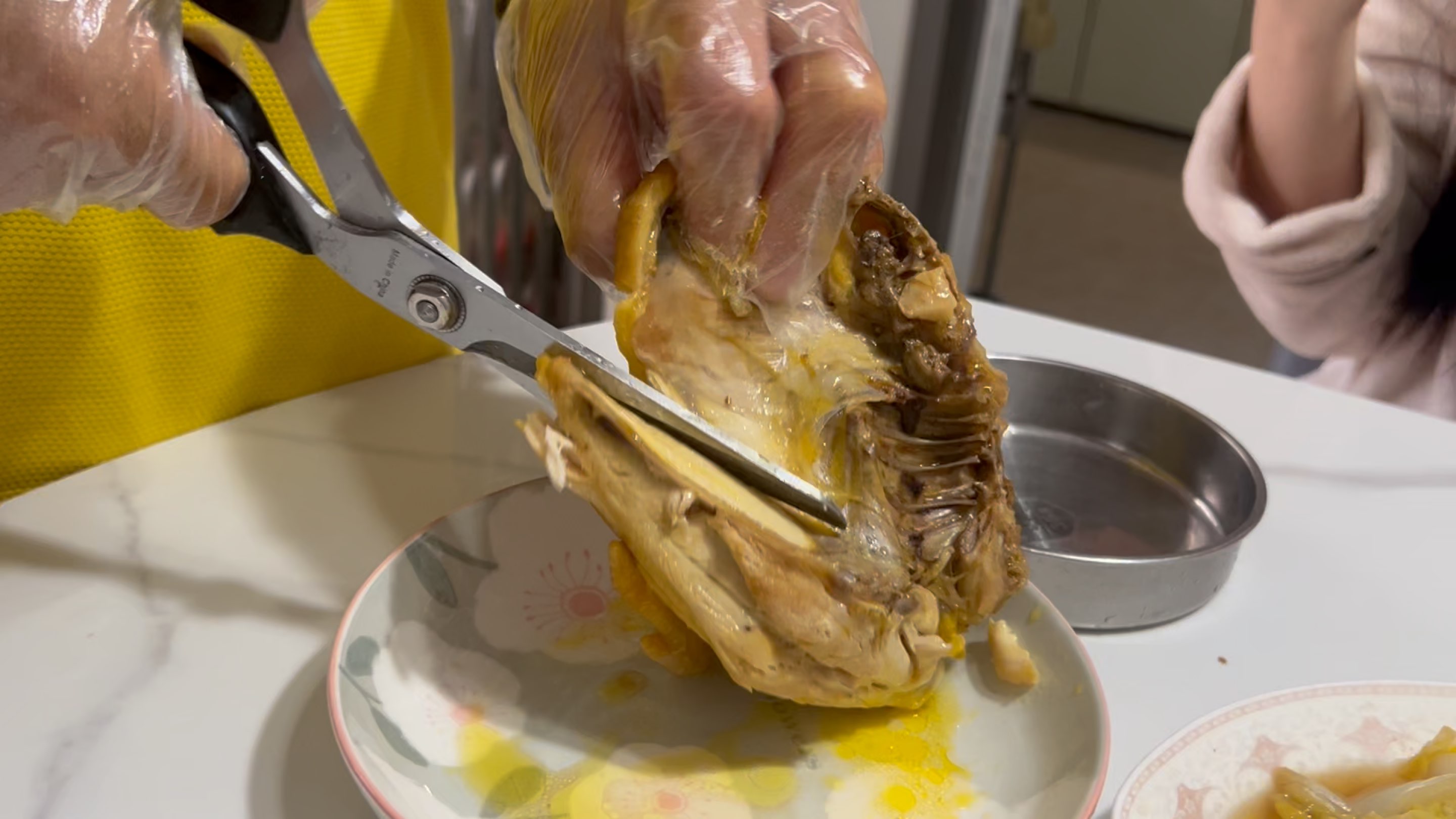
Precision Kitchen Shears for Chicken Preparation
Why Kitchen Shears Matter for Poultry Prep
Chicken is one of the most common proteins in home kitchens, restaurants, cafeterias, and catering operations, but preparing it cleanly is not always simple. Whole birds, bone-in pieces, skin, cartilage, and excess fat can make knife work awkward. Kitchen shears designed for poultry give cooks another option: a controlled, two-handed cutting action that can be safer and more efficient for certain tasks than forcing a chef’s knife through uneven joints.
The original article highlighted kitchen shears as a useful upgrade for breaking down a whole bird, spatchcocking, and trimming fat or skin. Those are exactly the jobs where shears can be most practical. Instead of moving slippery poultry around a cutting board while trying to find leverage with a knife, the cook can cut directly through joints, along the backbone, or around skin with shorter, more deliberate movements.
Best Uses for Chicken Shears
Kitchen shears are not intended to replace every knife in the kitchen. They are a specialized cutting tool that works best when used for the right poultry tasks. For example, they can help separate a chicken into serving pieces, remove the backbone for spatchcocking, open packaging, cut herbs for a marinade, or trim loose skin before cooking.
- Spatchcocking: Cut along both sides of the backbone so the bird can be flattened for more even roasting or grilling.
- Trimming: Remove excess fat, loose skin, or small cartilage sections before seasoning.
- Portioning: Cut through joints between wings, thighs, drumsticks, and breasts when the bird is positioned securely.
- Pan or bowl work: Trim smaller pieces directly over a bowl to reduce extra handling and cleanup.
- Finishing prep: Snip herbs, parchment, butcher twine, or food packaging, provided the shears are cleaned properly between uses.
What to Look for When Selecting Poultry Shears
Good chicken shears should feel stable in the hand and should cut without requiring excessive force. Because product details vary by model, buyers should check the supplier’s published specifications rather than assuming blade material, hardness, coating, or handle construction. If the shears are being sourced for a foodservice business or retail program, ask for clear product data before placing an order.
Blade geometry is important. A slightly serrated or textured edge may help grip slippery poultry skin, while a smooth edge may be easier to sharpen depending on the design. Handle comfort also matters, especially in a commercial kitchen where staff may process many birds in a shift. Look for handles that do not pinch, flex, or become hard to hold when wet.
If you are comparing models from a supplier, ask practical questions: Are the blades separable for cleaning? Is the pivot adjustable or fixed? What cleaning method is recommended? What packaging options are available? Are there care instructions for end users? These answers are more useful than broad claims about strength or durability without supporting detail.
Comparison Checklist for Buyers and Cooks
| Selection point | Why it matters | What to check before buying |
|---|---|---|
| Cutting control | Chicken can be slippery, especially near skin and joints. | Confirm the shears open and close smoothly and align cleanly. |
| Grip comfort | Fatigue can lead to poor cuts or unsafe handling. | Test handle size, finger clearance, and wet-hand grip if possible. |
| Cleaning access | Raw poultry requires careful sanitation after every use. | Ask whether the blades separate and what cleaning method is recommended. |
| Blade information | Material and edge design affect maintenance and performance. | Request exact material, finish, and sharpening guidance from the supplier. |
| Intended market | Home, restaurant, and retail needs are not identical. | Match packaging, instructions, and after-sales support to the user group. |
How to Use Shears Safely on Chicken
Start with a stable cutting surface and a bird that is not sliding around. Patting the outside dry with a disposable towel can improve control. Hold the chicken firmly with one hand while cutting with the other, keeping fingers away from the path of the blades. Do not try to cut through dense bone if the shears are not designed or rated for that task; instead, cut through joints or softer cartilage areas where possible.
For spatchcocking, place the chicken breast-side down and locate the backbone. Cut along one side of the backbone from tail to neck, then repeat on the other side. Remove the backbone, turn the bird over, and press the breastbone area down to flatten it. If resistance is high, pause and reposition rather than twisting the shears aggressively.
- Prepare a clean board, towel, bowl, and waste container before opening the poultry package.
- Use controlled cuts rather than long, forceful squeezes.
- Separate raw poultry tools from ready-to-eat foods.
- Wash hands, board, and shears immediately after use.
- Dry the shears fully before storage to help preserve their condition.
Cleaning and Maintenance After Raw Poultry
Because chicken can carry foodborne bacteria, cleaning is not optional. Rinse away visible residue, wash with hot water and dish detergent, and pay special attention to the pivot area where juices can collect. If the manufacturer says the shears are dishwasher-safe, follow that guidance; if not, hand washing is usually the safer assumption. Avoid leaving shears soaking in a sink where the blades may be hidden under cloudy water.
Drying is just as important as washing. Water trapped near the pivot can shorten the working life of many tools. After drying, store the shears closed in a drawer organizer, sheath, or designated utensil area so the edge is protected and staff or family members do not reach into an exposed blade.
Notes for Restaurants, Retailers, and Wholesale Buyers
For B2B sourcing, performance in a sample kitchen is more meaningful than a catalog description alone. Request samples and test them on the poultry tasks your customers or staff actually perform. If the product will be sold under a retail program or private label, ask the supplier about packaging artwork requirements, instruction inserts, barcode needs, and carton labeling. Do not assume minimum order quantity, lead time, certification, or compliance documentation; ask for current written details and review them against your market requirements.
Commercial buyers should also ask how the supplier handles replacement parts, quality complaints, and batch consistency. A poultry shear that works well for one sample should be evaluated across a realistic quantity before a larger purchase decision is made.
Key Takeaways
- Kitchen shears are especially useful for spatchcocking, trimming, and cutting through poultry joints.
- Comfort, cutting control, cleaning access, and clear product specifications are more important than vague strength claims.
- Raw chicken preparation requires careful washing, drying, and storage after every use.
- B2B buyers should request samples, written specifications, care instructions, and commercial terms before ordering.
FAQ
Can kitchen shears cut through chicken bones?
They may cut through small bones or joints depending on the design, but users should follow the supplier’s stated intended use. For dense bones, a cleaver or butcher tool may be more appropriate.
Are shears better than a knife for spatchcocking?
For many cooks, yes. Shears provide controlled cuts along the backbone and can be easier to manage than a knife on a slippery bird.
Should poultry shears come apart for cleaning?
Separable blades can make cleaning the pivot area easier, but not all designs offer this feature. Check the product instructions before purchase and before washing.
Can the same shears be used for vegetables after chicken?
Only after thorough washing and drying. To reduce cross-contamination risk, many kitchens keep separate tools for raw poultry and ready-to-eat foods.
What should wholesale buyers ask a supplier?
Ask for exact material information, cleaning guidance, packaging options, sample availability, MOQ, lead time, warranty terms, and any documents required for your target market.
Product Video
The original article included a product video. Use it as a visual reference, then confirm current product details directly with the supplier before making a purchase decision.
