




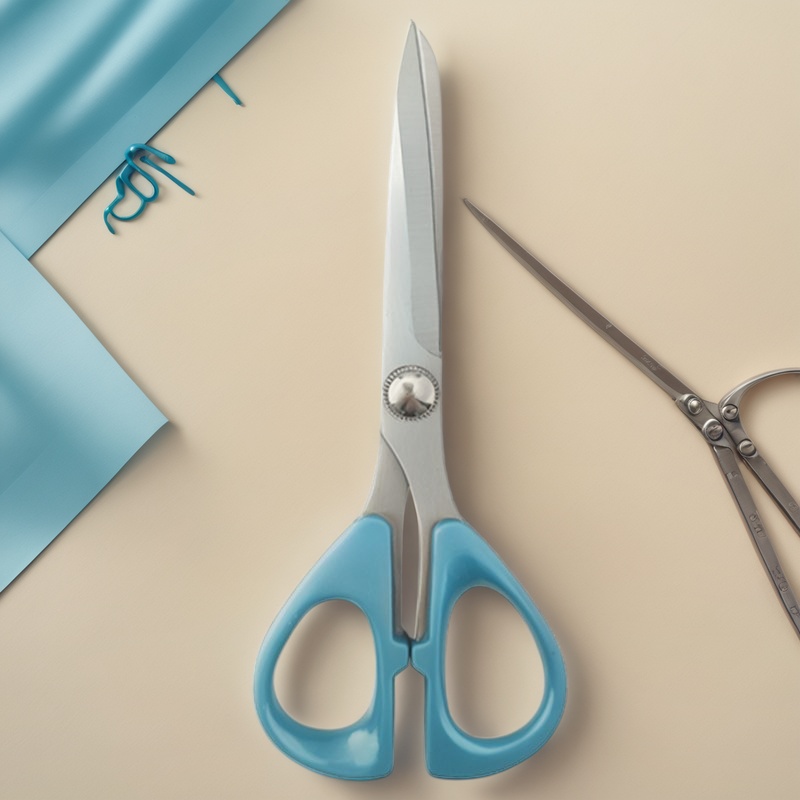
Precision Tailor Scissors: How to Choose Reliable Cutting Tools
Precision tailor scissors are a basic tool, but the buying decision is not always simple. A clean cut affects seam accuracy, pattern matching, fabric waste, and hand comfort during long work sessions. Whether you are a tailor, sewing studio, craft retailer, sourcing manager, or serious home maker, the right pair of scissors should be judged by practical performance rather than decorative wording.
The original product information highlights professional fabric cutting, long-lasting sharpness, ergonomic handling, and the role of experienced manufacturers, including Chinese scissors manufacturers. This guide keeps the useful points and turns them into a clear checklist for selecting, testing, and caring for tailor scissors before you commit to daily use or bulk purchasing.
Key Takeaways
- Precision tailor scissors should cut cleanly from the pivot area to the tip without chewing or pushing fabric.
- Blade material, edge quality, pivot tension, and handle comfort matter more than promotional language.
- For B2B sourcing, ask suppliers direct questions about materials, inspection standards, packaging, customization, and after-sales support.
- Scissors used for fabric should not be used on paper, wire, plastic ties, or other materials that can dull the edge.
- A sample test with real fabrics is the safest way to compare models before wholesale or OEM orders.
What Makes Tailor Scissors Different?
Tailor scissors are designed for controlled fabric cutting on a table or cutting surface. Unlike general household scissors, they need enough blade length and stability to follow pattern lines accurately. The lower blade often stays close to the table, helping the user cut long lines without lifting the fabric too much. This is important when cutting garments, upholstery pieces, quilting panels, or repeated craft shapes.
Precision does not only mean sharpness. It also means blade alignment, smooth opening and closing, balanced weight, and a handle that allows the user to guide the cut without strain. If the scissors twist, drag, or separate the fabric layers, the edge may look uneven even when the blade feels sharp at first touch.
Blade Quality and Cutting Performance
The source article refers to stainless steel blades and long-lasting sharpness. When evaluating any stainless steel scissor product, buyers should still ask which steel is used, how the hardness is controlled, and how the edge is finished. These details affect durability, corrosion resistance, sharpening behavior, and consistency across production batches.
A practical test is more useful than a label alone. Try cutting light cotton, medium fabric, and a heavier material similar to your normal work. The scissors should start easily, continue smoothly, and finish cleanly at the tip. Pay attention to whether the blades push slippery fabric forward, leave threads uncut, or require extra hand pressure near the end of the cut.
Handle Comfort and Control
The original article mentions an ergonomic grip and comfort during prolonged projects. This matters because tailoring is repetitive work. A tool that cuts well for five minutes may still cause fatigue after an afternoon of pattern cutting. Handle openings should fit the user’s fingers without pinching. The grip should help control the blade path without forcing the wrist into an awkward angle.
If scissors are being sourced for retail or workshop use, do not assume one handle shape suits everyone. Ask whether the product is intended for right-handed, left-handed, or broader use, and confirm this with samples. Color, such as the cyan blue mentioned in the original article, can help with product identification or shelf appeal, but comfort and cutting accuracy should remain the priority.
Comparison Checklist for Buyers
| Selection point | What to check | Why it matters |
|---|---|---|
| Blade edge | Cut from heel to tip on real fabric samples | Shows whether the scissors cut cleanly across the full blade length |
| Pivot tension | Open and close repeatedly without fabric | Reveals looseness, stiffness, or rough movement |
| Handle fit | Test grip with different hand sizes if possible | Reduces fatigue and improves cutting control |
| Material details | Ask the supplier to identify blade and handle materials | Prevents vague claims from replacing technical information |
| Batch consistency | Compare several samples, not only one display unit | Important for wholesale, OEM, and repeat orders |
| Packaging | Check blade protection, labeling, and carton strength | Helps prevent damage during storage and shipping |
B2B Sourcing Guidance for Scissors Suppliers
For wholesalers, distributors, and private-label buyers, precision tailor scissors should be evaluated as both a tool and a commercial product. A low sample price is not enough if quality varies from batch to batch. Before placing a larger order, request clear answers from the supplier rather than relying on general claims such as professional quality or premium performance.
- Ask what blade material is used and whether material documentation can be provided.
- Request details about edge grinding, sharpening, and final inspection procedures.
- Confirm whether logo printing, handle color, packaging, or other OEM options are available.
- Ask about sample lead time, production lead time, minimum order requirements, and carton packing.
- Clarify how defective items, transport damage, and quality disputes are handled.
- Check whether the supplier can maintain consistent specifications for repeat orders.
Chinese scissors manufacturers can be a useful sourcing option because many factories and trading companies serve international tool, sewing, and household goods markets. However, buyers should still verify each supplier on its own merits. Ask for samples, compare communication quality, review packaging details, and document agreed requirements in writing before production.
How to Test Tailor Scissors Before Purchase
A simple test routine can prevent disappointment. Start by cutting a single layer of cotton in a straight line. Then cut two or more layers to check alignment. Try a curved pattern line to see whether the scissors respond smoothly. Finally, test the tip by making a small notch or trimming a thread. Good tailor scissors should feel predictable rather than forceful.
Listen and feel as you cut. A grinding sound, uneven resistance, or visible gap between blades may suggest poor adjustment. If the scissors cut only near the pivot but fail at the tip, they may not be suitable for detail work. If they require strong pressure, they may increase fatigue in production or classroom settings.
Use and Care Tips for Longer Service
Even a good pair of scissors can become frustrating if used incorrectly. Keep fabric scissors dedicated to fabric. Paper, cardboard, plastic packaging, and wire can reduce edge quality quickly. Wipe the blades after use, especially if cutting materials that leave lint, adhesive, or moisture. Store the scissors closed and protected so the tips do not strike other tools in a drawer.
If the pivot becomes loose or stiff, check whether it can be adjusted safely. Do not force the blades if thread or debris is caught near the screw. For professional use, create a maintenance routine and label fabric-only scissors so they are not borrowed for general tasks.
FAQ
What size tailor scissors should I choose?
Choose based on the work. Longer blades are helpful for straight fabric cutting, while shorter blades offer control for curves and detail trimming. Test with your common fabrics before deciding.
Are stainless steel blades always better?
Stainless steel can offer useful corrosion resistance, but performance depends on the specific material, heat treatment, grinding, and quality control. Ask the supplier for details instead of relying only on the phrase stainless steel.
Can one pair cut all materials?
Not always. Light cotton, denim, felt, and layered fabrics place different demands on the blade. If your work covers many materials, test each important fabric type before bulk purchasing.
What should wholesalers ask a scissors manufacturer?
Ask about materials, sample policy, inspection process, OEM options, packaging, order quantities, lead time, and how quality issues are resolved. These answers help compare suppliers fairly.
How do I keep tailor scissors sharp?
Use them only on fabric, clean the blades after work, store them safely, and avoid dropping them. If cutting performance declines, consider professional sharpening or replacement depending on the scissor design.
