




Precision Tailor Scissors: Tools for Crafting Excellence
Precision tailor scissors are a small tool with a large effect on the quality of dressmaking, sample cutting, alteration work, craft projects, and general workshop tasks. A clean cut helps fabric pieces match the pattern, reduces ragged edges, and saves time that would otherwise be spent correcting mistakes. For professional tailors, designers, sewing studios, schools, and home crafters, choosing the right pair is less about buying the most expensive option and more about matching the tool to the material, the user, and the frequency of use.
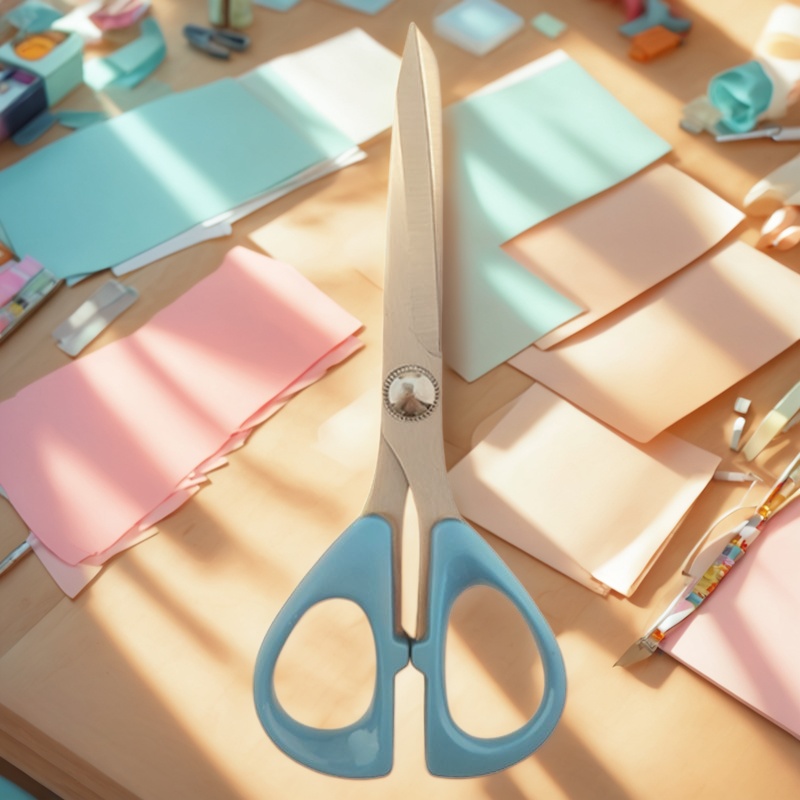
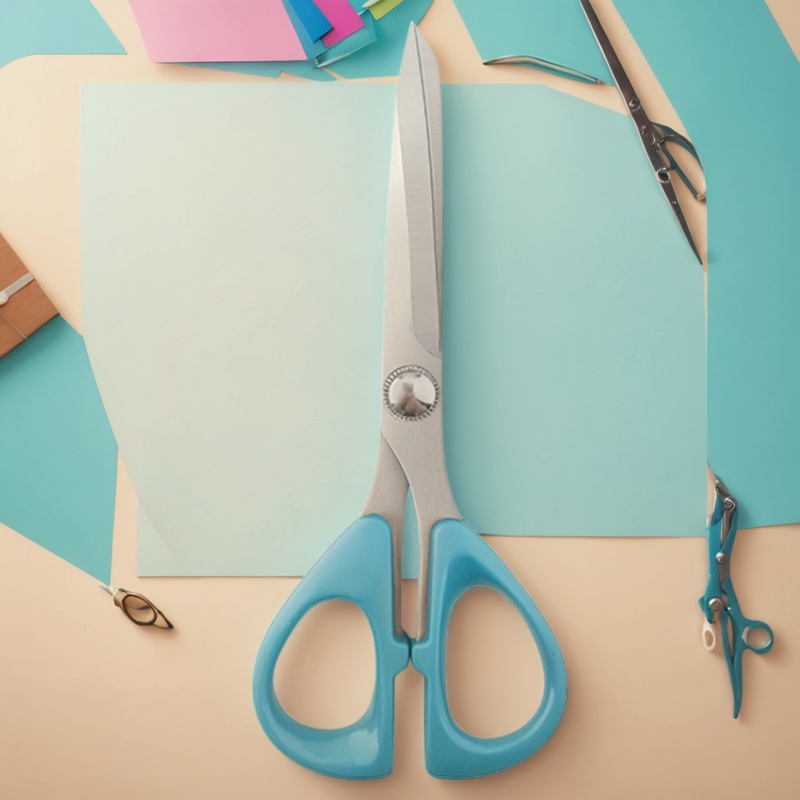
The original product information highlights stainless steel blades, a soft-touch ergonomic handle, a non-slip grip, and a light blue handle color. It also describes the scissors as suitable for fabrics, paper, and packaging tape. Those details are useful starting points, but buyers should still evaluate sharpness, alignment, comfort, and after-sales support before placing repeat orders or using the scissors in production.
Key Takeaways
- Choose precision tailor scissors based on cutting material, hand comfort, blade alignment, and daily usage level.
- Stainless steel blades can offer practical resistance to wear, but buyers should still ask how sharpness and edge retention are checked.
- Soft-touch ergonomic handles are valuable when users cut for long sessions or need better grip control.
- For wholesale or OEM sourcing, request samples and ask clear questions about packaging, inspection, replacement terms, and customization.
What Makes Tailor Scissors Different?
Tailor scissors are designed to make longer, smoother cuts than many general-purpose office scissors. When cutting fabric, the blades need to meet cleanly from the base to the tip so the material does not fold, drag, or fray. Good scissors should feel stable in the hand, open and close smoothly, and allow the user to follow pattern lines without repeated short cuts.
Precision matters most when working with slippery lining fabric, lightweight cotton, pattern paper, interfacing, or layered craft materials. If the blades are misaligned or dull, the user may squeeze harder, which can cause hand fatigue and uneven edges. A reliable pair supports repeatable cutting, which is important for both one-off custom work and small-batch production.
Blade Material and Cutting Performance
The source description states that the blades are made from high-quality stainless steel. Stainless steel is widely used in household and craft scissors because it can provide a practical balance of durability, corrosion resistance, and maintenance convenience. However, the label alone does not tell the whole story. Buyers should ask suppliers how the blades are finished, how the cutting edge is inspected, and whether sample pairs are tested on the intended materials.
For tailoring, the most important checks are blade sharpness, blade contact, tip precision, and smooth action. A pair that cuts paper well may not always perform well on fabric, especially on soft, shifting textiles. Before purchasing in quantity, test the scissors on common materials used in your operation, such as cotton, polyester blends, felt, lining fabric, paper patterns, and tape. If the scissors will be used on packaging tape, clean adhesive residue regularly so it does not affect the blade action.
Handle Comfort and Daily Usability
The original article mentions a soft-touch ergonomic handle with a comfortable, non-slip grip and a light blue hue. Handle design is not just an appearance detail. A comfortable handle helps users maintain control, especially during long cutting sessions or repetitive classroom, studio, or workshop use. A non-slip grip can also be useful when hands are tired or when the work surface is busy.
When evaluating comfort, do not rely only on product photos. Ask several users to test the scissors if possible. Check whether the handle fits different hand sizes, whether pressure points appear after repeated cutting, and whether the opening angle feels natural. In a professional environment, a tool that is slightly uncomfortable during a one-minute trial can become a problem after an hour of cutting.
Comparison Checklist for Buyers
| Selection Point | What to Check | Why It Matters |
|---|---|---|
| Blade alignment | Blades meet evenly from pivot to tip | Reduces fabric slipping and missed cuts |
| Sharpness | Test on fabric, paper, and intended craft materials | Confirms performance beyond visual inspection |
| Handle comfort | Try repeated cutting with different users | Helps prevent fatigue during long sessions |
| Grip surface | Check whether the soft-touch handle feels secure | Improves control during detailed cutting |
| Cleaning needs | Assess residue after cutting tape or adhesive materials | Keeps the blades moving smoothly |
| Supplier support | Ask about samples, inspection, packaging, and defect handling | Important for wholesale or repeat purchasing |
How to Use Tailor Scissors for Cleaner Results
Even good scissors perform better with correct technique. Keep fabric flat on the cutting table, and avoid lifting it too high while cutting. Use longer, steady strokes when cutting straight lines and shorter controlled movements around curves. For pattern work, reserve one pair for fabric whenever possible, because frequent cutting of paper, cardboard, or tape can dull the edge faster.
- Cut on a stable surface with enough space for the fabric to lie flat.
- Keep the lower blade close to the table to reduce fabric movement.
- Clean adhesive residue promptly after cutting packaging tape.
- Store scissors closed and away from loose tools that may nick the blades.
- Do not force the scissors through materials that feel too thick or hard for the tool.
Care and Maintenance Tips
Routine care extends the useful life of precision tailor scissors. Wipe the blades after use, especially if they contact tape, glue, or coated paper. Keep the pivot area clean so the opening and closing action remains smooth. If the scissors start pushing fabric instead of cutting it, stop using them for precision work until they are cleaned, adjusted, or sharpened by an appropriate service provider.
Storage is also important. Dropping scissors can damage the tips or affect blade alignment. In shared workshops, label scissors by purpose, such as fabric only or general use, so users do not accidentally shorten the life of a good cutting tool. For schools or sewing rooms, simple usage rules can reduce replacement costs and improve cutting consistency.
B2B Sourcing Questions for Wholesale and OEM Orders
For retailers, distributors, sewing-kit brands, and promotional product buyers, sourcing scissors requires more than checking color and price. The original description refers to Chinese scissors manufacturers and emphasizes engineering and quality control, but no specific factory capacity, MOQ, certification, or test result is provided. Buyers should avoid assumptions and ask direct questions before committing to volume orders.
- Can the supplier provide pre-production samples for cutting tests on your target materials?
- What inspection steps are used for blade alignment, sharpness, handle finish, and packaging condition?
- Are handle color, logo placement, retail packaging, or barcode labels available, and what are the requirements?
- How are defective units handled after delivery, and what evidence is needed for a claim?
- What is the recommended use range, and which materials should customers avoid cutting?
Clear answers help buyers compare suppliers fairly. If the scissors will be sold under a private label, request written confirmation of available customization options, packaging artwork requirements, lead times, and any compliance documentation relevant to your market.
Practical FAQ
Are precision tailor scissors only for professional tailors?
No. They are useful for professional tailoring, dressmaking, craft projects, pattern work, and careful home use. The main benefit is cleaner, more controlled cutting.
Can these scissors cut paper and packaging tape?
The source description says they can cut fabrics, paper, and tough packaging tape. For best fabric performance, clean the blades after tape use and consider keeping a separate pair for fabric only.
Why does handle design matter?
A soft-touch ergonomic, non-slip handle can improve control and reduce discomfort during repeated cutting. This matters in studios, classrooms, and workshops where scissors are used often.
What should wholesale buyers test first?
Test sample pairs for blade alignment, cutting smoothness, handle comfort, packaging quality, and performance on the exact materials your customers will cut.
How should tailor scissors be stored?
Store them closed, dry, and protected from impact. Avoid tossing them into drawers with hard tools that can damage the blade edge or tip.
