




Premium Tailor Scissors: Precision, Comfort and Practical Buying Guidance
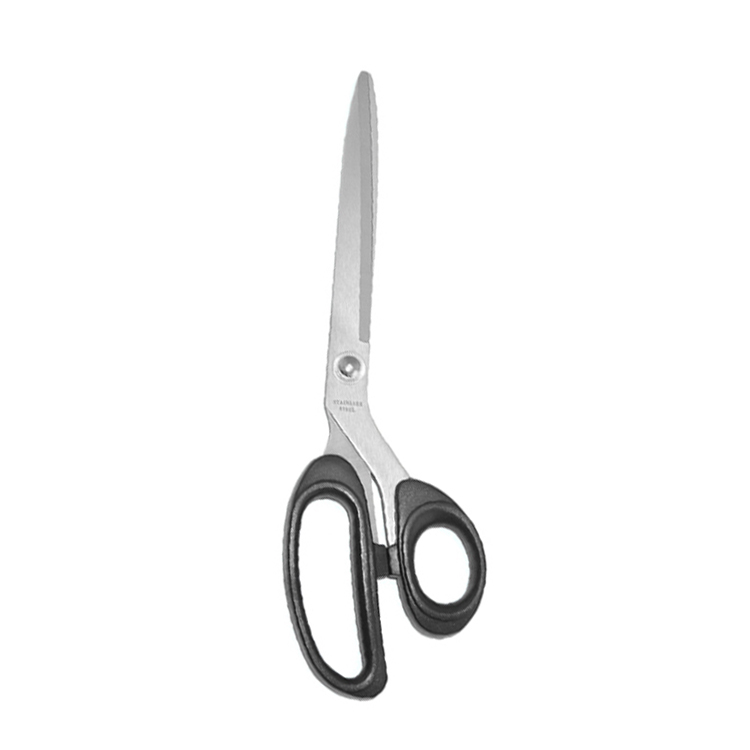
Premium tailor scissors are a core tool for dressmakers, alteration shops, craft studios, sample rooms and home sewing users who need clean, controlled cuts. A good pair should help the user cut fabric accurately, follow curves with confidence and reduce hand fatigue during repeated work. The original product description highlights stainless steel construction, corrosion resistance, enduring sharpness, ergonomic hand grips and a symmetrical loop design intended to suit both right-handed and left-handed users. Those are useful starting points, but buyers should still evaluate scissors by application, handling, supplier transparency and after-sale support.
This guide explains how to assess tailor scissors for real use, how they compare with other cutting tools and what wholesale or OEM buyers should ask before placing an order. It is written for practical decision-making rather than broad promotional claims.
Key Takeaways
- Choose tailor scissors based on the fabrics and cutting tasks you handle most often.
- Stainless steel, ergonomic grips and a symmetrical loop design are useful features when verified by product samples.
- For wholesale or OEM sourcing, ask suppliers clear questions about materials, dimensions, packaging, quality checks and customization options.
- Proper care matters: keep scissors dry, clean and reserved for suitable materials to help maintain cutting performance.
What Makes Tailor Scissors Different?
Tailor scissors, often called tailors' shears, are designed for cutting fabric with accuracy and control. Unlike general household scissors, they are typically selected for longer cutting strokes, smoother fabric guidance and better hand positioning at the cutting table. The goal is not only sharpness; it is repeatable control across straight lines, curves, notches and pattern edges.
For professional users, small differences in comfort and blade feel become important over time. A pair that feels acceptable for one short cut may become uncomfortable during batch cutting, sampling or daily alteration work. That is why buyers should consider the handle shape, blade alignment, balance and ease of opening and closing, not just the appearance of the product.
Materials and Blade Performance
The source article describes the scissors as made from high-grade stainless steel, with enduring sharpness and resistance to corrosion. Stainless steel is widely used in cutting tools because it can offer a practical balance of durability and everyday maintenance. However, buyers should avoid assuming that all stainless steel scissors perform the same. Material description, blade thickness, edge finishing and assembly quality all affect the cutting experience.
When evaluating samples, test the scissors on the actual materials your customers use. For tailor and craft applications, this may include cotton, lining fabric, denim, felt, lightweight synthetic fabric or paper pattern pieces. A useful pair should start cutting cleanly near the pivot, continue smoothly through the blade length and avoid pushing the fabric forward instead of cutting it. If the product is intended for multiple materials, confirm with the supplier what materials are appropriate, because cutting abrasive or unsuitable materials can shorten blade life.
Comfort, Grip and Left-Hand Usability
The original description notes ergonomic hand grips and a symmetrical loop design that can accommodate both right-handed and left-handed individuals. This is important for mixed teams, training environments and retail customers who may not all use the same dominant hand. Still, a symmetrical handle does not automatically guarantee equal comfort for every user. Hand size, cutting posture and grip pressure all influence usability.
Before ordering in quantity, ask for samples and have several users test them. Look for pressure points inside the loops, slipping during long cuts and whether the thumb and fingers can move naturally. For B2B buyers, this feedback is especially valuable because a small discomfort can lead to returns, complaints or poor user ratings in retail channels.
Comparison Checklist for Selecting Tailor Scissors
| Selection Point | What to Check | Why It Matters |
|---|---|---|
| Blade material | Confirm the stated stainless steel and ask what details the supplier can document. | Material affects durability, corrosion resistance and perceived quality. |
| Cutting test | Test on real fabrics, paper patterns and sample materials. | Performance should match the user’s actual cutting tasks. |
| Handle comfort | Check grip fit, pressure points and control during repeated cutting. | Comfort helps reduce fatigue in studio or workshop use. |
| Hand orientation | Verify whether the symmetrical loop design works for left- and right-handed users. | Important for broad retail appeal and shared workspaces. |
| Packaging | Ask about retail packaging, protective covers and shipping protection. | Prevents damage and supports presentation for wholesale channels. |
| Quality consistency | Request details on inspection steps and acceptable defect standards. | Bulk orders depend on repeatable quality, not one good sample. |
How to Choose for Different Users
For home sewing and craft users, comfort and simple maintenance may be more important than specialized cutting capacity. A versatile pair that cuts fabric and paper pattern materials neatly can be a sensible choice. For professional tailors and alteration shops, users should pay closer attention to blade smoothness, pivot stability and how the scissors perform after repeated cuts.
For fashion schools, workshops and training programs, the symmetrical loop design can be useful because it may support a wider range of students. In this setting, buyers should also consider safety, labeling, storage and whether the scissors are easy to identify and maintain as shared tools.
B2B Sourcing Questions for Wholesale and OEM Buyers
If you are sourcing premium tailor scissors for resale, promotional programs or private label projects, do not rely only on product photos. Ask structured questions and compare answers from multiple suppliers. Useful questions include:
- What blade material is used, and can the supplier provide a clear material description?
- What sizes, handle colors or packaging formats are available?
- Can the supplier provide samples for fabric cutting evaluation before a bulk order?
- What inspection process is used for blade alignment, sharpness and handle finish?
- Are logo printing, customized packaging or OEM options available, and what details are required to quote them?
- What are the lead time, minimum order quantity and carton packing details?
- How are scissors protected during transport to prevent blade damage or surface scratches?
These questions help buyers avoid unclear assumptions. If a supplier cannot confirm a feature, it is better to treat that point as unverified until a sample, specification sheet or written confirmation is provided.
Use and Care Tips
Even well-made tailor scissors need proper care. Keep them clean and dry after use, especially if they have contacted damp materials. Avoid dropping them, because impact can affect blade alignment or the pivot. If the scissors are mainly purchased for fabric work, reserve them for fabric and pattern-related use rather than rough household cutting. This helps protect the edge and provides a more consistent cutting feel.
Store scissors closed and, if available, in protective packaging or a sleeve. In shared workrooms, label scissors by use type so fabric scissors are not used on materials that may damage the edge. If cutting becomes rough, uneven or noisy, inspect for residue, looseness or damage before continuing production work.
Practical FAQ
Are these scissors suitable for both right-handed and left-handed users?
The original description states that the scissors have a symmetrical loop design intended to accommodate both right-handed and left-handed individuals. For bulk buying, confirm comfort with physical samples because hand size and cutting style vary.
Can tailor scissors cut paper as well as fabric?
The source description mentions use on fabric, paper and other materials. However, if the scissors are primarily used for fabric, frequent paper cutting may not be ideal for long-term edge performance. Ask the supplier for recommended use limits.
What should wholesale buyers verify before ordering?
Verify material description, sample performance, packaging, inspection process, customization options, lead time and order requirements. Do not assume MOQ, certifications or test results unless the supplier provides them.
How can users maintain cutting precision?
Keep the scissors dry, clean the blades after use, avoid drops and store them closed. Use them on suitable materials and separate fabric scissors from general-purpose tools in busy workspaces.
What is the best way to compare suppliers?
Request identical samples, test them on the same materials and document cutting feel, comfort, finish and packaging quality. Consistent evaluation is more reliable than comparing product photos alone.
