




Professional Cloth Shearing Excellence: Bonet Shears
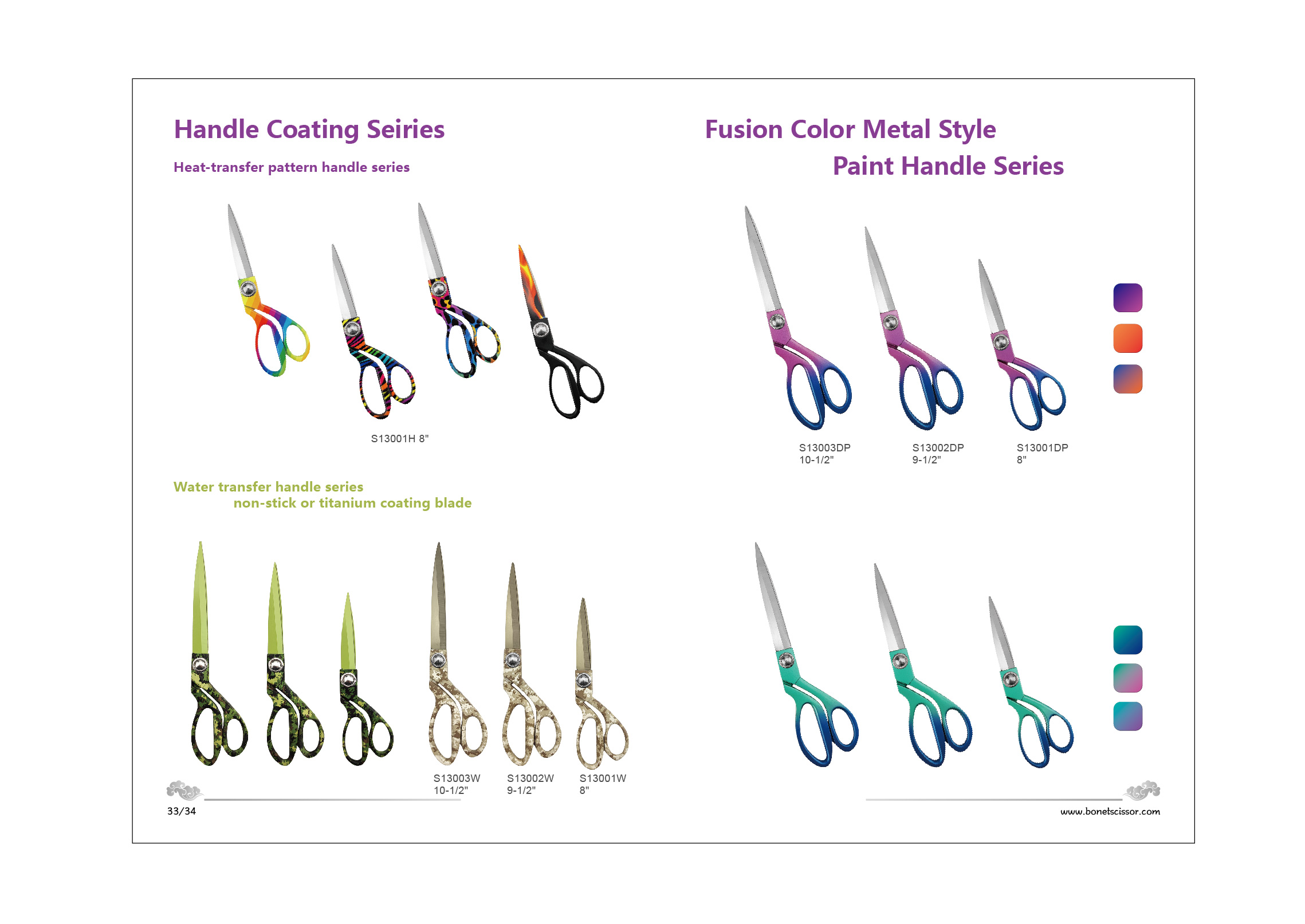
Professional cloth shearing depends on a simple but demanding requirement: the tool must cut fabric cleanly, consistently, and comfortably. For tailors, sewing studios, craft brands, uniform producers, and textile distributors, cloth shears are not just accessories. They influence cutting accuracy, operator fatigue, sample quality, and the overall experience of working with fabric.
This guide rewrites the original Bonet Houseware article into a practical sourcing reference. It focuses on how buyers can evaluate professional cloth shears, including Bonet shears, without relying on unsupported assumptions. Where commercial details such as minimum order quantity, packaging, certifications, or OEM capability are not stated, buyers should confirm them directly with the supplier before placing an order.
What Professional Cloth Shears Need to Do Well
A good pair of cloth shears should open smoothly, stay aligned through repeated cutting, and move through fabric without chewing or dragging. The right tool reduces hand strain and helps maintain accurate cutting lines, especially when working on patterns, tailoring alterations, upholstery samples, or layered textile pieces.
The original article highlights Bonet shears for precision cutting and reliability. It also refers to decorative handle treatments and blade coating options in selected ranges. These points can matter for both professional users and wholesale buyers: cutting performance comes first, but appearance, comfort, and range consistency can also affect how a product line is received in retail or distribution channels.
Product Range Notes from the Original Article
The source article specifically mentions two Bonet product style directions. The Handle Coating Series is described as including 8-inch models with heat-transfer and nature-inspired water-transfer designs. It also states that these models may include non-stick or titanium-coated blades. The Fusion Color Metal Style Paint Handle Series is described as being available in sizes from 8 inches to 10 1/2 inches, with metallic finishes, color gradients, carbide-enhanced blades, and smooth ergonomic handles.
Because product lines can change, buyers should treat these details as a starting point for inquiry rather than a final specification sheet. Before ordering, ask for current catalog pages, product photos, sample availability, confirmed blade materials, coating descriptions, handle materials, carton information, and any available test or inspection documents.
How to Match Shears to Fabric and User Needs
Different textile applications call for different shear sizes and handling characteristics. An 8-inch pair may suit general sewing, sample rooms, home tailoring, or craft retail assortments. Longer shears, such as 10-inch or 10 1/2-inch models, can be preferred for longer cutting strokes on broad fabric panels. However, longer tools may feel heavier, so buyer testing is important.
- For tailoring shops: prioritize cutting control, edge alignment, handle comfort, and easy handling during long sessions.
- For craft and sewing retail: consider visual appeal, packaging clarity, size variety, and how easily shoppers understand the product differences.
- For textile factories: request samples for operator testing across real fabric types before bulk procurement.
- For wholesale distribution: compare finish consistency, barcode or label needs, carton strength, and replacement policy questions.
Comparison Checklist for B2B Buyers
The table below can help purchasing teams compare Bonet shears with other professional cloth shear options. It does not replace supplier documentation, but it keeps evaluations focused on practical details.
| Evaluation Point | Why It Matters | Questions to Ask the Supplier |
|---|---|---|
| Size range | Different users prefer different cutting lengths and tool weights. | Which sizes are currently available, and are 8-inch to 10 1/2-inch options in stock? |
| Blade coating | Coatings may affect cutting feel, appearance, and maintenance expectations. | Are non-stick, titanium-coated, or other blade options available for this model? |
| Blade construction | Durability and edge retention affect long-term user satisfaction. | What blade material and edge treatment are used, and can samples be tested? |
| Handle finish | Appearance and comfort influence retail appeal and daily use. | Are heat-transfer, water-transfer, metallic, or color-gradient handles available? |
| Packaging | Wholesale and retail channels often need consistent labeling and protection. | What standard packaging is offered, and can packaging be customized? |
| Quality control | Consistent opening tension, alignment, and finish reduce returns. | What inspection steps are used before shipment, and what defects are checked? |
OEM, Wholesale, and Supplier Discussion Points
If you are sourcing cloth shears for private label, retail distribution, or repeated factory use, avoid making decisions from appearance alone. Ask direct, written questions and request physical samples. Product photos can show handle color and general shape, but they cannot prove cutting feel, tension consistency, or how the shears perform on your target fabrics.
- Request a current product list with model numbers, available sizes, and finish options.
- Ask whether OEM branding, packaging artwork, or assortment planning is available.
- Confirm minimum order quantity, lead time, sample cost, and payment terms.
- Ask how the supplier handles inspection, spare parts, defective goods, and after-sales communication.
- Test samples on cotton, denim, felt, synthetic fabric, lining fabric, or other materials relevant to your customers.
Do not assume certifications, compliance documents, or test reports are included unless the supplier provides them. If you sell into a regulated market or a large retail chain, request the exact documents your channel requires before confirming a purchase order.
Use and Care Guidance for Better Performance
Even professional cloth shears need proper handling. Buyers should include basic care instructions in retail packaging or distributor training materials. Cloth shears should be reserved for fabric rather than paper, cardboard, wire, or plastic strapping. Cutting non-textile materials can dull the edge and create poor performance complaints that are not product defects.
Users should wipe blades after cutting lint-heavy or treated fabrics, store the shears dry, and avoid dropping them on hard floors. If the pivot becomes loose or the shears begin folding fabric instead of cutting, the tool may need adjustment, sharpening, or replacement. For professional environments, it is sensible to keep dedicated shears for fine fabrics and separate tools for heavier or rougher materials.
Key Takeaways
- Professional cloth shears should be evaluated by cutting performance, comfort, size, and consistency.
- The original Bonet article mentions decorative handle series, 8-inch models, selected coating options, and sizes up to 10 1/2 inches in one series.
- B2B buyers should confirm current specifications, MOQ, packaging, lead time, and quality control details directly with the supplier.
- Sample testing on real fabrics is the best way to compare shears before wholesale or OEM orders.
FAQ
What size cloth shears should a buyer choose?
For general tailoring and sewing, 8-inch shears are a common starting point. Longer sizes can support longer cutting strokes, but they may feel heavier. Buyers should test sizes with the intended user group.
Are coated blades always better?
Not automatically. Coatings such as non-stick or titanium-coated options may offer a different cutting feel or appearance, but buyers should compare samples and confirm the exact coating used on the current model.
What should wholesale buyers ask before ordering?
Ask for current model details, sample availability, MOQ, lead time, packaging options, inspection process, and how the supplier handles defects or shipment issues.
Can cloth shears be used for paper?
They can physically cut paper, but it is not recommended. Paper and packaging materials can dull the cutting edge, reducing performance on fabric.
How can a distributor reduce return risk?
Test samples, verify packaging, check finish consistency, provide clear use instructions, and confirm replacement or claim procedures with the supplier before bulk purchase.
