




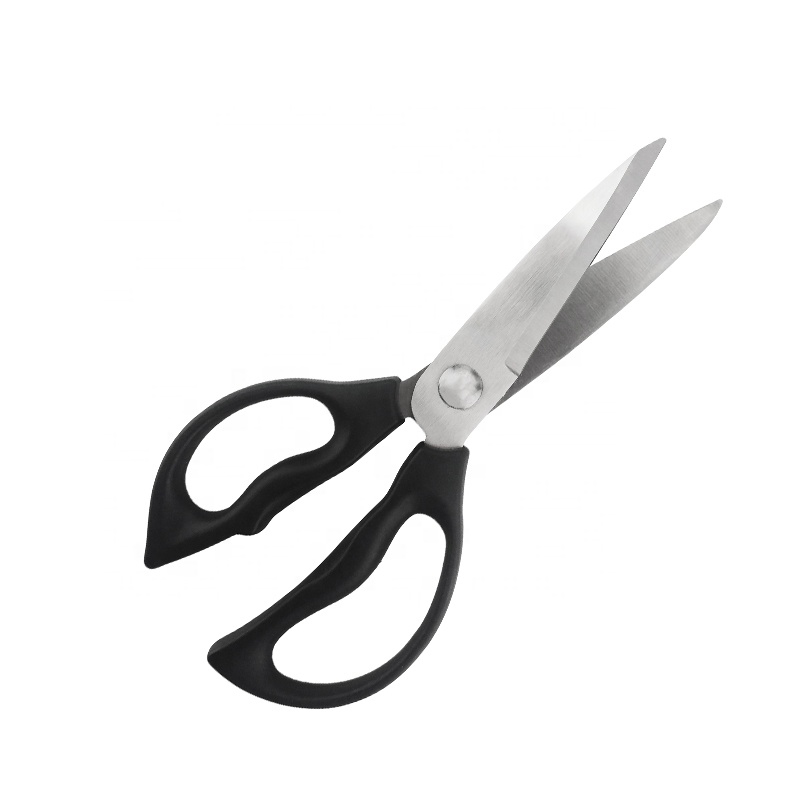
Professional Kitchen Scissors: A Practical Guide for Buyers and Cooks
Professional kitchen scissors are one of the most useful tools in a busy kitchen, yet they are often treated as an afterthought. A well-chosen pair can snip herbs, trim food packaging, portion cooked meat, cut dough, and help with poultry preparation. For retailers, distributors, and private-label brands, kitchen scissors also sit in a practical product category: easy to understand, frequently used, and suitable for different price levels depending on materials, finish, packaging, and added functions.

Key Takeaways
- Choose kitchen scissors by use case first: home cooking, restaurant prep, retail resale, or OEM/private-label programs.
- Important selection factors include blade sharpness, handle comfort, cleaning access, packaging, and supplier consistency.
- Do not rely only on product photos; request samples and check cutting performance on realistic kitchen materials.
- For wholesale or OEM orders, ask suppliers direct questions about materials, packaging options, quality checks, lead time, and documentation.
What Makes Kitchen Scissors Professional?
The word "professional" should mean more than a heavier look or a premium description. In practical use, professional kitchen scissors should cut cleanly, feel stable in the hand, and withstand repeated washing and daily food-prep tasks. They should not twist when cutting thicker ingredients, pinch the user during repetitive work, or become uncomfortable after a few minutes of use.
The original product description highlights stainless steel blades, an ergonomic handle, and a non-slip, soft-touch grip. Those are useful features when they are executed well. Stainless steel is commonly used for kitchen cutting tools because it is suitable for food-contact environments and easier to maintain than many non-stainless materials. However, buyers should still ask the supplier what steel type is used, how the blades are finished, and what care instructions are recommended.
Common Uses in Home and Commercial Kitchens
A good pair of kitchen scissors can reduce the need to switch between knives, boards, and utility cutters. Home cooks may use them to cut herbs directly over a bowl, trim parchment paper, open food bags, or separate cooked noodles. In commercial kitchens, the value is often speed and repeatability: staff need a tool that cuts consistently, cleans quickly, and stays comfortable through many small tasks.
- Snipping herbs, scallions, and leafy greens.
- Cutting food-safe packaging and vacuum bags.
- Trimming fat, skin, or small pieces of meat.
- Portioning pizza, flatbread, or cooked dough products.
- Preparing poultry when the scissor structure is suitable for heavier cutting.
Not every kitchen scissor is designed for every task. If poultry cutting is a priority, the buyer should confirm blade thickness, pivot strength, handle leverage, and cleaning method before placing a bulk order.
Selection Checklist for Product Buyers
Retailers, wholesalers, and OEM buyers should evaluate kitchen scissors through physical samples rather than catalog descriptions alone. A product may look strong online but feel poorly balanced in hand. Another may look simple yet perform reliably across common kitchen tasks. The checklist below helps compare options during sourcing.
| Evaluation Point | What to Check | Questions to Ask the Supplier |
|---|---|---|
| Blade performance | Clean cuts through herbs, packaging, and food materials | What blade material and edge process are used? |
| Handle comfort | Grip stability, finger space, and fatigue during repeated cuts | Are handle colors or materials customizable? |
| Cleaning | Whether food residue can be removed easily around the pivot | Are there care instructions or dishwasher guidance? |
| Safety | Tip shape, blade cover availability, and retail packaging security | Can packaging include safety warnings or user instructions? |
| OEM readiness | Logo, color, packaging, barcode, and carton marking options | What are the MOQ, sample lead time, and approval process? |
Supplier and Factory Sourcing Guidance
For B2B buyers, sourcing professional kitchen scissors is not only about the sample in hand. It is also about production consistency, communication, packaging control, and after-sales handling. The original article mentions specialized production centers such as a Yangjiang scissors factory and the possibility of custom scissors production or OEM kitchen scissors. These can be useful directions for buyers, but every supplier should be verified through normal procurement steps.
Start with a clear product brief. Define the target retail price range, expected use, preferred handle style, packaging format, logo placement, and market requirements. Then ask the supplier to confirm what is standard and what requires customization. If you need stainless steel blades, do not stop at the phrase "stainless steel"; ask for the exact material description used by the factory and whether it can be shown on packaging.
Before confirming an order, request pre-production samples if the design is customized. Test the scissors on the same materials your customers will use. If the product is for a retail chain or a foodservice distributor, consider multiple testers with different hand sizes. Comfort issues often appear only after repeated cutting.
OEM and Wholesale Questions to Ask
When discussing OEM kitchen scissors or wholesale kitchen shears, avoid assumptions. Commercial details vary by supplier, product type, and order plan. Instead of expecting a fixed answer, prepare a list of questions and compare responses.
- What materials are used for the blades, handles, pivot, and any accessories?
- Can the supplier provide samples from current production rather than only showroom samples?
- What logo methods, packaging styles, and carton markings are available?
- What quality checks are performed before shipment, and can the buyer define inspection points?
- What are the MOQ, sample cost, production lead time, payment terms, and export documents?
- Are replacement parts, blade covers, or instruction inserts available if needed?
These questions help prevent mismatched expectations. They also give buyers a clearer view of whether a supplier is prepared for repeat orders, not just one shipment.
Use and Care Tips for Longer Service
Even strong kitchen scissors need proper care. Wash them soon after cutting wet, salty, acidic, or oily foods. Dry the blades and pivot area thoroughly before storage. If the scissors are not designed for bones or frozen foods, do not force them through hard materials. For shared kitchens, label scissors by use if needed, such as food prep, packaging, or poultry, to reduce cross-use and cleaning problems.
If the pivot becomes loose, stiff, or difficult to clean, stop using the scissors until the issue is addressed. A damaged cutting tool can slip or tear food instead of cutting cleanly. For wholesale buyers, simple care instructions in the retail pack can reduce customer complaints and improve the user experience.
FAQ
Are professional kitchen scissors the same as regular household scissors?
Not usually. Kitchen scissors are intended for food-prep environments and often have stronger blades, larger handles, and designs suited to wet or repetitive kitchen tasks.
Can kitchen scissors be used for poultry?
Some can, but not all. Buyers should confirm blade strength, pivot construction, handle leverage, and cleaning access before marketing scissors for poultry preparation.
What should OEM buyers confirm before ordering?
Confirm material details, logo method, packaging artwork, MOQ, sample approval process, production lead time, inspection standards, and export documentation.
How should kitchen scissors be cleaned?
Follow the supplier's care instructions. In general, wash after use, remove residue near the pivot, and dry thoroughly before storage.
Is a soft-touch grip always better?
It can improve comfort and reduce slipping, but the final choice depends on durability, cleaning needs, target price, and how the scissors will be used.
