




Professional Titanium Scissors: How to Choose a Rose Gold Shear
Searches for professional titanium scissors usually come from people who need cleaner cuts, longer-lasting sharpness, and a more comfortable tool than basic household scissors. Crafters, sewing hobbyists, designers, packaging teams, and studio users all know the frustration of blades that snag fabric, crush paper edges, or tire the hand after repeated cuts.
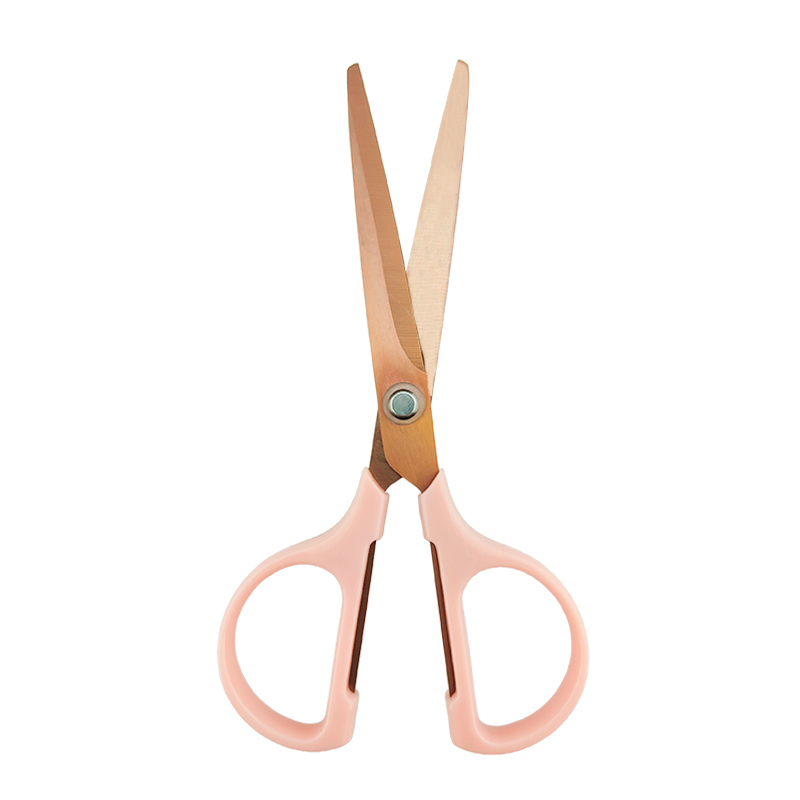
The original Rose Gold Shear article highlights a pair of scissors with rose gold blades, blush pink ergonomic handles, and precision-engineered stainless steel construction. That distinction matters: not every rose gold or premium-looking shear is titanium, and buyers should check whether “titanium” refers to the blade material, a coating, or simply a search term used for durable craft scissors. This guide explains how to evaluate a professional shear honestly and choose the right tool for your work.
Key Takeaways
- Confirm whether the scissors are titanium, titanium-coated, or stainless steel before purchasing.
- Choose blade length and handle comfort based on your main cutting task, not appearance alone.
- Rose gold shears can be practical studio tools when sharpness, balance, and grip are well designed.
- Good scissors last longer with simple care: keep them dry, clean residue, and avoid cutting unsuitable materials.
What “Professional Titanium Scissors” Usually Means
In everyday product searches, “professional titanium scissors” may describe several different products. Some scissors have titanium-coated blades, which may help with surface durability and resistance to adhesive buildup depending on the coating quality. Others are stainless steel scissors marketed alongside titanium-style finishes. A few may use titanium components, but that is less common in ordinary craft and sewing tools.
For buyers, the important point is not the label alone. A professional cutting tool should deliver controlled cutting, stable blade alignment, a comfortable handle, and consistent performance on the materials it is intended to cut. If a product page does not clearly state the blade material, coating type, or recommended use, ask the seller before assuming it is titanium.
Rose Gold Shear: Beauty Should Not Replace Performance
The Rose Gold Shear described in the original article is presented as a visually refined tool with rose gold blades and soft blush pink ergonomic handles. It is also explicitly described as being crafted from precision-engineered stainless steel. That combination makes it more accurate to consider it a stylish professional craft shear rather than automatically calling it a titanium scissor.
A polished finish can make a workspace feel more organized, but the real value is still in the cutting experience. A rose gold shear should open and close smoothly, hold the material without slipping, and provide enough blade strength for the intended task. If the tool is used for fabric, the blades should cut cleanly to the tip. If used for paper craft, they should make controlled curves without tearing the surface.
How to Select Scissors for Your Main Material
No single pair of scissors is ideal for every job. Fabric scissors should not be used on cardboard, wire, plastic sheet, or heavy packaging because those materials can dull the edge quickly. Paper craft scissors may feel precise but may not have the blade geometry needed for smooth fabric cutting. Before buying, identify your most common task.
- For fabric work: look for sharp blades, a stable pivot, and a handle that allows long straight cuts without wrist strain.
- For paper craft: prioritize control, tip accuracy, and smooth cutting through cardstock or layered paper.
- For studio and office use: choose a durable general-purpose shear, but avoid using it on materials beyond the supplier’s guidance.
- For detailed trimming: consider a shorter blade or a separate detail scissor instead of relying on one large shear.
Comparison Checklist for Choosing a Professional Shear
| Selection Point | Why It Matters | What to Check Before Buying |
|---|---|---|
| Blade material | Influences sharpness, durability, and maintenance | Ask whether it is stainless steel, titanium-coated, or another material |
| Blade finish | Affects appearance and may affect surface wear | Confirm whether rose gold is decorative, coated, or part of a stated treatment |
| Handle design | Reduces fatigue during repeated cutting | Check grip shape, opening size, and whether it suits your dominant hand |
| Pivot tension | Controls smoothness and blade alignment | Open and close the scissors; look for wobble, scraping, or looseness |
| Intended material | Prevents premature dulling or damage | Match the shear to fabric, paper, craft, or general household use |
| Care requirements | Extends working life | Ask how to clean, dry, store, and sharpen the scissors |
Ergonomics: The Detail Many Buyers Notice Too Late
A scissor can be sharp and still uncomfortable. Handle shape, finger opening size, weight, and balance all influence how your hand feels after repeated cuts. The original article notes ergonomic handles, which is a useful feature for people who cut for long sessions. However, “ergonomic” is not one-size-fits-all. A handle that feels secure for one user may be too narrow, too wide, or angled incorrectly for another.
If possible, test the scissors with the motion you actually use. Long cutting strokes require different comfort than small detailed snips. If buying online, look for clear product photos, handle dimensions if available, and return or sample options from the seller. For shared workrooms, choose a design that accommodates a wider range of users rather than the most specialized grip.
Use and Care Tips for Longer Scissor Life
Professional scissors perform best when treated as task-specific tools. A dedicated fabric shear should be reserved for fabric. A paper shear should not be expected to glide through textile layers. Adhesives, glitter, tape residue, moisture, and improper storage can reduce performance even when the blades are high quality.
- Wipe blades after use, especially after cutting adhesive-backed materials.
- Dry the scissors before storage to reduce the risk of surface corrosion.
- Store them closed in a sleeve, drawer, or tool roll to protect the edge.
- Do not cut wire, metal mesh, or hard plastic unless the supplier says the scissors are designed for it.
- Sharpen or service the blades when cuts become rough instead of forcing the tool through material.
Questions to Ask a Supplier Before Ordering
Whether you are buying one pair for a craft room or sourcing multiple units for a studio, ask direct questions. This is especially important when a listing uses premium terms such as titanium, professional, or coated without detailed explanation.
- What is the exact blade material?
- Is the rose gold finish decorative, coated, plated, or otherwise treated?
- What materials are these scissors recommended to cut?
- Are they suitable for left-handed users, right-handed users, or both?
- Can the pivot tension be adjusted or serviced?
- What cleaning and sharpening method does the supplier recommend?
Practical FAQ
Are rose gold scissors the same as titanium scissors?
No. Rose gold describes the appearance or finish. Titanium may refer to blade material or a coating, but it should be confirmed in the product details. The Rose Gold Shear discussed here is described as precision-engineered stainless steel.
Can I use one professional shear for fabric and paper?
You can, but it is not ideal. Paper can dull fabric scissors faster. If clean fabric edges matter, keep a dedicated fabric shear.
What makes scissors feel professional?
Sharp blades, smooth pivot action, secure alignment, comfortable handles, and predictable control are more important than the color or finish.
How do I know if the handle is comfortable?
Check the grip size, weight, and cutting motion. For long sessions, the handle should not pinch fingers or force the wrist into an awkward angle.
When should scissors be sharpened?
If they fold fabric, tear paper, or require extra pressure, the edge may need professional sharpening or replacement depending on the product design.
Final Buying Advice
A well-made rose gold shear can be a useful, attractive addition to a craft, sewing, or design workspace. Still, the best purchase decision comes from matching the tool to the task and verifying the facts behind the product description. If you are searching for professional titanium scissors, do not rely only on color, shine, or marketing language. Confirm the material, assess the handle, and choose a scissor that supports the way you actually cut.
