




Quality Scissors Factory for Fabric: B2B Sourcing Guide
For apparel workshops, textile distributors, tailoring supply brands, and DIY craft channels, fabric scissors are not a casual accessory. They are daily-use cutting tools that affect cutting accuracy, user fatigue, fabric waste, and customer satisfaction. Choosing a scissors factory for fabric therefore requires more than checking a product photo or asking for the lowest quotation.
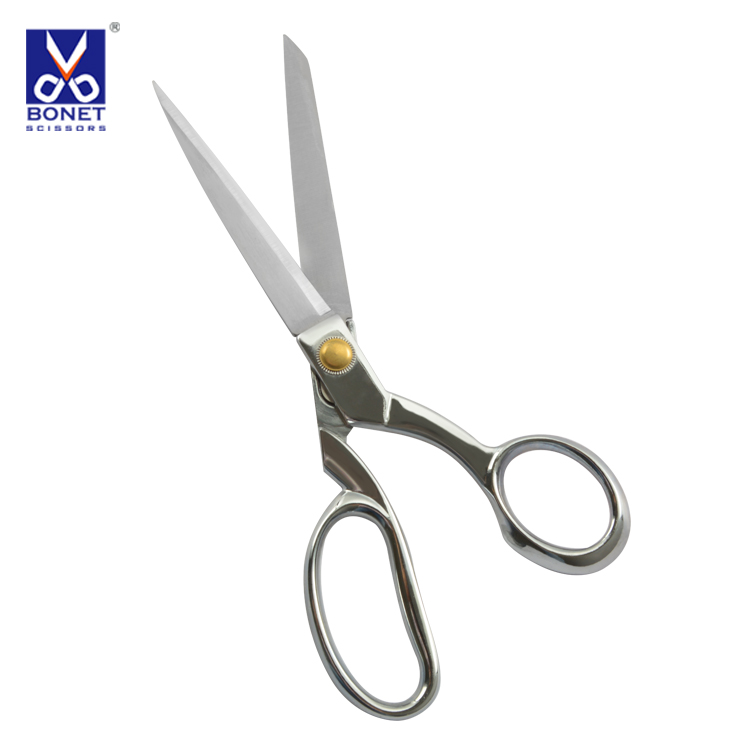
This guide explains how B2B buyers can evaluate a fabric cutting scissors supplier, compare factory capabilities, request meaningful samples, and build a sourcing checklist before placing wholesale or OEM orders. It preserves the core point from the original article: clean, precise cutting depends on reliable scissors and a supplier that understands fabric applications.
Key Takeaways
- Define the target fabric types before comparing scissors, because cutting needs differ by textile weight and thickness.
- Ask suppliers to clarify materials, blade finish, handle design, quality inspection steps, packaging options, and replacement policy.
- Evaluate samples under real cutting conditions instead of relying only on catalog descriptions.
- For OEM or wholesale sourcing, confirm commercial details such as MOQ, lead time, branding, carton packing, and documentation directly with the factory.
Why Fabric Scissors Need a Specialized Supplier
Fabric cutting is different from cutting paper, plastic film, or kitchen materials. Textile fibers can shift, stretch, fray, or compress during cutting. A pair of scissors that looks sharp may still drag on fabric, leave jagged edges, or cause hand strain during repeated use. For buyers serving garment factories, tailoring stores, schools, craft retailers, or private-label channels, inconsistent scissors can lead to returns and complaints.
A professional fabric cutting scissors supplier should understand how users work: long cutting sessions, layered fabric, pattern cutting, trimming, and detail work. The supplier does not need to promise unrealistic performance, but it should be able to explain which scissor styles are appropriate for different use cases and what inspection process is used before shipment.
Choosing the Right Scissors for Fabric Cutting
Before contacting a scissors factory for fabric, prepare a clear product brief. The brief should describe the intended buyer, common applications, expected retail or wholesale positioning, and any packaging or branding requirements. This helps avoid vague quotations that cannot be compared fairly.
Key selection points include:
- Application: Tailoring, garment production, home sewing, school craft, upholstery, or general textile cutting.
- Size range: Ask what lengths are available and which sizes are most commonly selected for fabric work.
- Handle comfort: For professional use, check whether the handle shape is suitable for repeated cutting and different hand sizes.
- Blade alignment: Poor alignment can cause fabric to fold between the blades rather than cut cleanly.
- Packaging: Confirm whether the supplier can provide bulk packing, retail card packing, barcode labels, or customized packaging if required.
If a supplier claims a specific blade material, coating, hardness, or special feature, ask for written confirmation and supporting documents. Do not assume a material grade or technical specification unless it is clearly provided by the supplier.
How to Evaluate a Fabric Scissors Factory
Factory evaluation should combine product testing with business-process checks. A good first step is to request existing product information, sample availability, lead time estimates, and quality-control practices. For OEM buyers, also ask whether the supplier can support logo placement, color changes, packaging artwork, and pre-production sample approval.
Important questions to ask include:
- What fabric scissors models are currently available, and what applications are they intended for?
- What materials are used for the blades and handles?
- How is sharpness, opening and closing smoothness, and blade alignment checked before shipment?
- Can the factory provide samples from current production for testing?
- What are the MOQ, lead time, payment terms, and packaging options?
- How are defects, shortages, or shipment damage handled?
- What information can be provided for import, labeling, or market-specific requirements?
These questions do not replace your own compliance review. Buyers should confirm any required testing, labeling, documentation, or regulatory requirements for their destination market with qualified professionals or the supplier’s official documents.
Supplier Comparison Checklist
When several factories appear similar, use a structured table to compare them. This prevents decisions based only on price and helps teams align purchasing, quality, and sales requirements.
| Evaluation Item | What to Check | Why It Matters |
|---|---|---|
| Product fit | Scissor sizes, intended fabric use, handle options | Ensures the model matches your target users and sales channel |
| Sample quality | Cutting feel, blade alignment, finish, packaging condition | Reveals practical performance before bulk purchasing |
| Quality control | Inspection steps, defect handling, pre-shipment checks | Reduces inconsistent batches and after-sales problems |
| OEM support | Logo, packaging, labeling, artwork approval process | Important for private-label and wholesale programs |
| Commercial terms | MOQ, lead time, payment, shipping terms | Determines whether the supplier fits your purchasing plan |
Testing Samples Before Bulk Orders
Sample testing should be practical and repeatable. Use the same fabric types your customers are likely to cut, such as lightweight cloth, medium garment fabric, or thicker textile layers if relevant. Compare each sample for smooth opening and closing, grip comfort, and whether it cuts from the base of the blade to the tip without snagging.
Record results in a simple scoring sheet. Include notes from more than one user if possible, because hand size and cutting habits affect comfort. If you are buying for resale, also review the retail presentation: is the product clean, is the packaging protective, and are labels readable? If you are sourcing for production use, focus more on durability, hand fatigue, and batch consistency.
OEM and Wholesale Sourcing Guidance
For OEM fabric scissors, clear communication is essential. Provide artwork files, color references, packaging dimensions, barcode requirements, and any warning-label language you need. Ask the factory to confirm which customization options are available and which changes may affect MOQ, cost, or production time.
Do not rely only on verbal confirmation. Request a written quotation that lists the model, quantity, packaging method, customization details, delivery terms, sample process, and validity period. Before mass production, approve a final sample or pre-production sample. For larger orders, consider arranging third-party inspection or your own quality review before shipment.
Common Mistakes to Avoid
One common mistake is choosing the cheapest scissors without testing them on fabric. A low unit price can become expensive if the product produces poor cuts, receives negative reviews, or creates high return rates. Another mistake is treating all scissors as the same product. Fabric users often care about smoothness, control, and hand comfort, not only sharpness.
Buyers should also avoid unclear specifications. If a quotation simply says “fabric scissors” without size, material, packaging, or branding details, it is not complete enough for reliable comparison. Ask follow-up questions until each supplier quotation can be compared line by line.
Practical FAQ
What should I ask a scissors factory before ordering?
Ask about available fabric scissor models, blade and handle materials, sample policy, MOQ, lead time, packaging options, OEM logo support, inspection procedures, and how quality issues are handled after delivery.
How can I judge whether fabric scissors are suitable?
Test samples on the actual fabrics your customers or workers use. Check for clean cutting, smooth blade movement, comfortable grip, stable alignment, and consistent performance from the blade base to the tip.
Is OEM packaging available from every supplier?
Not always. Some suppliers offer only standard packaging, while others may support logo, color card, barcode, or customized retail packing. Confirm available options, MOQ impact, artwork requirements, and approval steps.
Should I ask for certificates or test reports?
If your market or customer requires specific documentation, ask the supplier what they can provide and verify whether it meets your requirements. Do not assume compliance unless you receive clear written evidence.
What is the best way to compare prices?
Compare prices only after confirming the same size, materials, packaging, customization, order quantity, and shipping terms. A lower price may reflect a different specification or reduced packaging, so details matter.
Final Thoughts
Sourcing from a quality scissors factory for fabric is a process of matching product performance, supplier reliability, and commercial terms. Start with a clear product brief, request samples, test them under real conditions, and ask direct questions about quality control and OEM support. By comparing suppliers systematically, B2B buyers can reduce risk and select fabric cutting scissors that better fit their market and customers.
