




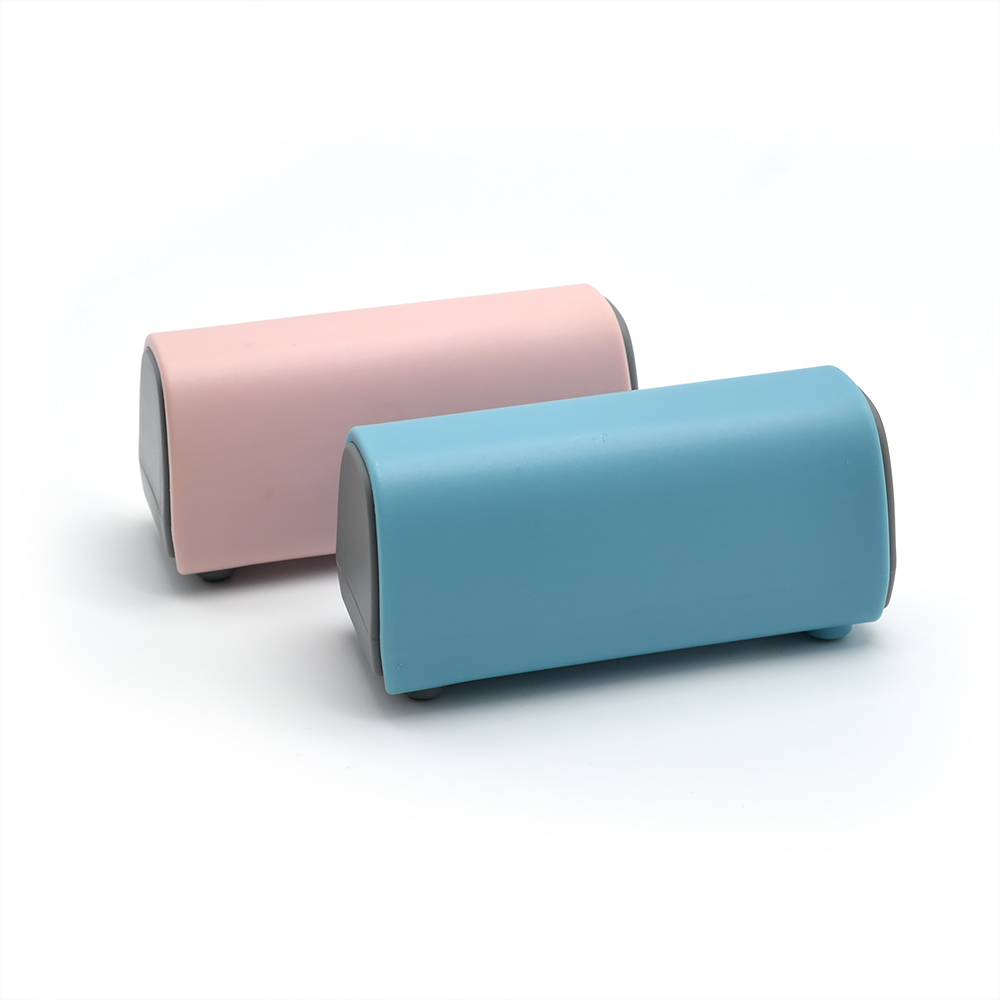
Reliable Knife Sharpener Supplier: B2B Sourcing Guide
Choosing a knife sharpener supplier is not only about finding a product that looks suitable in a catalog. For wholesalers, kitchenware brands, distributors, and hospitality buyers, the better question is whether the supplier can provide consistent quality, clear communication, and practical support before and after an order. A knife sharpener is a small tool, but it affects safety, customer satisfaction, and repeat purchasing.
The original product focus is a dual-stage knife sharpener with a lime green design. The stated design includes a coarse first slot for reshaping dull blades, a fine second slot for polishing the edge, an ergonomic grip, and a non-slip base for better control. These are useful features to discuss with a supplier, but B2B buyers should still verify materials, packaging, quality control procedures, and any compliance requirements before placing a wholesale or OEM order.
Key Takeaways
- A reliable knife sharpener supplier should explain product function, quality checks, packaging options, and order terms clearly.
- Dual-stage sharpeners are popular because they separate coarse edge repair from finer edge finishing.
- Wholesale buyers should request samples and test sharpening performance, grip comfort, base stability, and packaging durability.
- Do not assume material grade, certifications, MOQ, lead time, or testing results unless the supplier provides written confirmation.
- For OEM or private label projects, confirm branding, artwork, carton labeling, inspection standards, and after-sales procedures early.
What Buyers Should Expect From a Knife Sharpener Supplier
A professional knife sharpener supplier should help buyers understand how the product is intended to be used, what types of knives it is designed for, and what limitations apply. This is especially important for distributors selling to restaurants, retailers, supermarkets, or online customers. Overpromising can lead to complaints if the sharpener is used on unsuitable blades or if care instructions are unclear.
For the dual-stage model described in the source, the core value is straightforward use: a coarse slot to help restore a dull edge and a fine slot to refine it. When evaluating this type of sharpener, ask the supplier to explain recommended sharpening angle, blade compatibility, cleaning method, and whether the sharpener is intended for household, foodservice, or other commercial environments.
Dual-Stage Knife Sharpener Features to Review
The existing article mentions several practical features: compact form, lime green design, dual-stage sharpening, ergonomic grip, and non-slip base. These points are relevant, but a buyer should translate them into testable criteria. For example, a non-slip base should be checked on common work surfaces, not accepted as a general claim. An ergonomic grip should be assessed by different users, including people with larger or smaller hands.
The coarse slot is normally used first when a knife has become noticeably dull. The fine slot is then used to smooth and finish the edge. A supplier should provide usage instructions that reduce the risk of excessive pressure, incorrect pull direction, or repeated sharpening that can remove unnecessary blade material. Clear user guidance also lowers the risk of returns from end customers.
Supplier Comparison Checklist
Before selecting an industrial knife sharpener supplier or wholesale knife sharpeners provider, compare candidates using consistent questions. The table below can help sourcing teams organize supplier conversations and sample testing.
| Evaluation Area | What to Check | Questions to Ask the Supplier |
|---|---|---|
| Product function | Coarse and fine slot performance, ease of use, edge consistency | What knife types is this sharpener designed for, and what uses should be avoided? |
| Safety and handling | Grip comfort, non-slip base, stability during use | How should users hold the sharpener, and are instructions included? |
| Quality control | Sample consistency, visual defects, packaging condition | What inspection steps are used before shipment? |
| Commercial terms | MOQ, lead time, payment terms, carton details | Can you confirm order terms in writing before production? |
| OEM options | Logo, color, packaging, manual, barcode needs | What artwork files and approval steps are required? |
| Documentation | Product instructions, labeling, any requested compliance documents | Which documents can you provide for the destination market? |
Wholesale and OEM Sourcing Considerations
Wholesale knife sharpeners are often purchased for resale, promotional programs, kitchenware sets, or hospitality supply channels. In these cases, the product must be easy for end users to understand quickly. Packaging should communicate the two-stage function clearly and should not make unsupported claims about blade types, material grade, or durability.
If you are sourcing for OEM or private label, define the project scope before discussing price. Buyers should prepare logo files, packaging requirements, target retail channel, language requirements, carton labeling needs, and preferred inspection criteria. If a supplier offers customization, ask whether color matching, printed instructions, or branded packaging are available and what costs or minimum quantities apply. These details should be confirmed rather than assumed.
How to Test Samples Before a Bulk Order
Sample testing is one of the most useful steps in supplier selection. A sharpener may look acceptable in photos but feel unstable on a counter or produce uneven results during use. Test several units if possible, not only one sample, because consistency matters for wholesale orders.
- Inspect the product body for rough edges, cracks, color inconsistency, or loose parts.
- Place the sharpener on different surfaces to evaluate the non-slip base.
- Use the coarse and fine slots according to the supplier instructions.
- Check whether the grip remains comfortable and stable during repeated use.
- Review the packaging for protection during transport and clarity for retail display.
- Ask a second tester to repeat the process and compare feedback.
For commercial buyers, it is also wise to simulate the customer experience. Open the package, read the instructions, use the product without extra explanation, and decide whether an average user would understand the correct steps. If the answer is no, request improvements to the manual or packaging copy before mass production.
Common Sourcing Risks to Avoid
One common mistake is choosing the lowest quote without checking whether the product, packaging, and inspection requirements are included. Another is assuming that a supplier can meet a destination market requirement without documentation. If your channel requires specific labeling, warning text, language translation, barcode format, or compliance files, ask early and keep written records.
Buyers should also avoid vague specifications such as “good quality” or “durable design.” Instead, define measurable checkpoints: acceptable appearance, packaging standard, sample approval process, shipment inspection, and defect handling. A dependable knife sharpener supplier should be willing to discuss these points in detail.
Practical FAQ
What is a dual-stage knife sharpener?
A dual-stage knife sharpener uses two sharpening steps. In the product described here, the coarse first slot is intended to reshape dull blades, while the fine second slot helps polish the edge for smoother cutting.
Is this type of sharpener suitable for industrial purchasing?
It can be considered by industrial or commercial buyers, but suitability depends on the use case, knife types, order volume, durability expectations, and supplier documentation. Buyers should test samples before committing to bulk orders.
What should I ask a wholesale knife sharpener supplier?
Ask about sample availability, MOQ, lead time, packaging options, inspection process, blade compatibility, care instructions, carton details, and whether any requested documents are available for your market.
Can a supplier provide OEM branding?
Some suppliers may offer OEM options, but buyers should confirm logo placement, packaging design, color options, artwork requirements, approval process, MOQ, and lead time in writing.
How can I reduce returns from end customers?
Choose a product with clear instructions, stable handling, protective packaging, and accurate claims. Make sure users understand the difference between the coarse and fine slots and know which knives should not be used with the sharpener.
Final Thoughts for Buyers
A reliable knife sharpener supplier should make sourcing easier by providing clear product information, responsive communication, and realistic answers. For a dual-stage knife sharpener, the key points are simple but important: the coarse and fine sharpening steps should be easy to understand, the grip and base should support stable use, and the packaging should help customers use the tool correctly. Before ordering wholesale, request samples, confirm specifications, ask practical sourcing questions, and document all commercial terms. That process does more to protect your business than relying on catalog descriptions alone.
