




Reliable Sewing Scissors Supplier for Seamless Crafting
Choosing a sewing scissors supplier is not only about finding a cutting tool that looks appealing. For retailers, sewing schools, craft brands, fabric shops, and wholesale distributors, scissors must cut consistently, feel comfortable in the hand, and arrive with the product information needed for confident resale or internal use. A poor sourcing decision can lead to customer complaints, uneven fabric cutting, returns, and wasted time checking every shipment by hand.
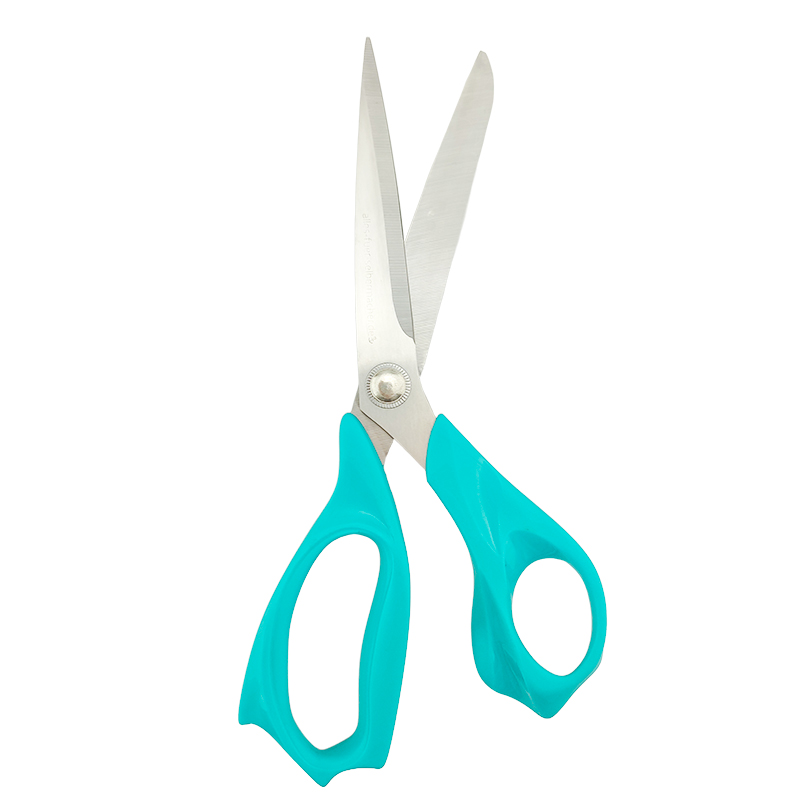
This guide explains how to evaluate sewing scissors for B2B purchasing, including product selection, supplier questions, sample checks, and wholesale buying considerations. The featured Bonet Houseware tailor scissors are presented as a useful example: the original product information describes stainless steel blades, an ergonomic anti-slip handle in a turquoise/aqua design, a lightweight yet durable feel, and a precision pivot for smooth cutting. Buyers should still confirm all commercial and technical details directly before ordering.
What Makes a Sewing Scissors Supplier Reliable?
A reliable supplier should help buyers reduce uncertainty. That includes clear product descriptions, stable communication, appropriate packaging options, and willingness to answer practical questions before an order is placed. For sewing scissors, the key issue is not just whether the blades are sharp on day one. Buyers also need to understand whether the scissors are suitable for the fabrics their customers use, how they are packed, and whether replacement, private label, or assortment options are available.
When sourcing for retail or institutional use, ask for a current product specification sheet and sample photos of packaging. If you plan to sell online, request clear product images and confirm which claims can be used in your listings. Avoid adding unverified statements about blade grade, certifications, or test results unless the supplier provides documentation.
Product Features to Check Before Wholesale Ordering
The Bonet Houseware example highlights several features buyers commonly look for in tailor scissors. Stainless steel blades are described in the source product information, which is important because blades are the working core of the tool. An ergonomic anti-slip handle can help users maintain control during repeated cutting tasks. The turquoise/aqua handle design may also be useful for retailers building a visually distinct craft tools display.
However, B2B buyers should go beyond the headline features. Before placing a bulk order, clarify:
- What fabric types the scissors are intended to cut, such as cotton, felt, denim, or general craft textiles.
- The available sizes, colors, and packaging formats.
- Whether the supplier can provide barcode, label, carton mark, or retail display options.
- How samples are handled before a wholesale or OEM order.
- What after-sales process applies if a shipment has visible defects or packaging damage.
Comparison Checklist for B2B Buyers
Use the following checklist when comparing one sewing tools supplier with another. It helps purchasing teams evaluate more than price and makes communication with suppliers more specific.
| Evaluation Area | What to Check | Questions to Ask the Supplier |
|---|---|---|
| Cutting performance | Clean cuts on intended fabrics | Can we test samples on the fabrics our customers commonly use? |
| Blade information | Material claims and finishing | What blade material is stated for this model, and is documentation available? |
| Handle comfort | Grip, balance, and anti-slip feel | Is the handle suitable for repeated cutting in classroom or shop use? |
| Packaging | Retail card, box, bulk pack, or custom pack | What packaging choices are available for wholesale orders? |
| Branding | Neutral, supplier brand, or OEM presentation | Can product labeling or packaging be customized, and what details must be confirmed? |
| Quality control | Visual checks, blade alignment, pivot movement | What inspection steps are performed before shipment? |
| Commercial terms | MOQ, lead time, payment, shipping | What are the current order requirements and delivery options? |
How to Test Sewing Scissors Samples
Sample testing should be simple but structured. Start by checking appearance: the blades should close evenly, the handle should feel secure, and the pivot should move without roughness. Then cut several fabric strips in straight and curved lines. If your customers are quilters, tailors, school students, or hobby crafters, test with fabrics that match their real use rather than relying on a single thin cloth.
Also compare comfort over repeated cuts. A pair of scissors can feel acceptable for one snip but uncomfortable after several minutes. Check whether the handle shape supports both control and reasonable hand comfort. For resale, inspect packaging durability as well, because a good tool in weak retail packaging may still create shelf or e-commerce problems.
Wholesale, OEM, and Retail Sourcing Guidance
For wholesale buyers, the best supplier relationship is built on clear expectations. Share your target market, sales channel, and packaging needs early. A craft store may need attractive individual packaging, while a sewing school may prioritize sturdy bulk packing and consistent classroom performance. An online seller may need product photos, dimensions, and accurate descriptions for marketplace listings.
If you are interested in OEM or private label supply, ask what customization is possible, what artwork format is required, whether sample approval is needed, and how changes affect lead time or MOQ. Do not assume any supplier can support every branding request. Confirm details in writing before approving production.
Care and Handling Tips to Share With End Users
Even good sewing scissors perform better when used correctly. Retailers and distributors can reduce complaints by providing basic care guidance with the product listing or packaging insert. Sewing scissors should generally be kept for fabric and thread rather than paper, wire, plastic packaging, or craft materials that may dull the blades. They should be wiped clean after use and stored dry. If the pivot becomes loose or cutting feels uneven, the user should follow the supplier’s recommended adjustment or maintenance advice.
- Use fabric scissors mainly for textiles.
- Store them in a dry place away from children.
- Avoid dropping them, as impact can affect blade alignment.
- Clean lint from the blades and pivot area after extended use.
Key Takeaways
- Choose a sewing scissors supplier based on performance, communication, packaging, and quality control, not price alone.
- Test samples on the fabrics your customers actually cut.
- Confirm product claims, MOQ, lead time, branding options, and inspection steps directly with the supplier.
- The Bonet Houseware tailor scissors example includes stainless steel blades, an ergonomic anti-slip turquoise handle, a lightweight durable feel, and a precision pivot as stated in the original product description.
Practical FAQ
What should I ask before buying sewing scissors wholesale?
Ask about sample availability, blade material information, packaging options, MOQ, lead time, inspection process, shipping method, and how defects or shortages are handled.
Are these scissors suitable for every fabric?
The original information identifies them as tailor or sewing scissors, but buyers should test samples on their own target fabrics before making a bulk order.
Can I request OEM packaging or private label service?
Possibly, but do not assume it is available for every model. Ask the supplier which customization options are offered and what order requirements apply.
How can retailers reduce returns on sewing scissors?
Provide accurate product descriptions, avoid unverified claims, include care instructions, and choose packaging that protects the scissors during storage and shipping.
Who should consider a wholesale sewing scissors supplier?
Fabric shops, craft retailers, sewing schools, online sellers, tailoring supply distributors, and brands building a sewing tools assortment can all benefit from structured wholesale sourcing.
