




Adjustable Bag Clip Sealer: Practical Sourcing Guide from a Sharpener Factory
An adjustable bag clip sealer is a small household tool, but for retailers, distributors, and private-label buyers, small products still require careful evaluation. The original Bonet Houseware article introduced an Adjustable Bag Clip Sealer as part of a wider move from sharpener manufacturing into practical household items. This updated guide keeps the focus on what buyers and product managers need to know: visible product features, real use cases, and the questions to ask before placing a wholesale or OEM order.
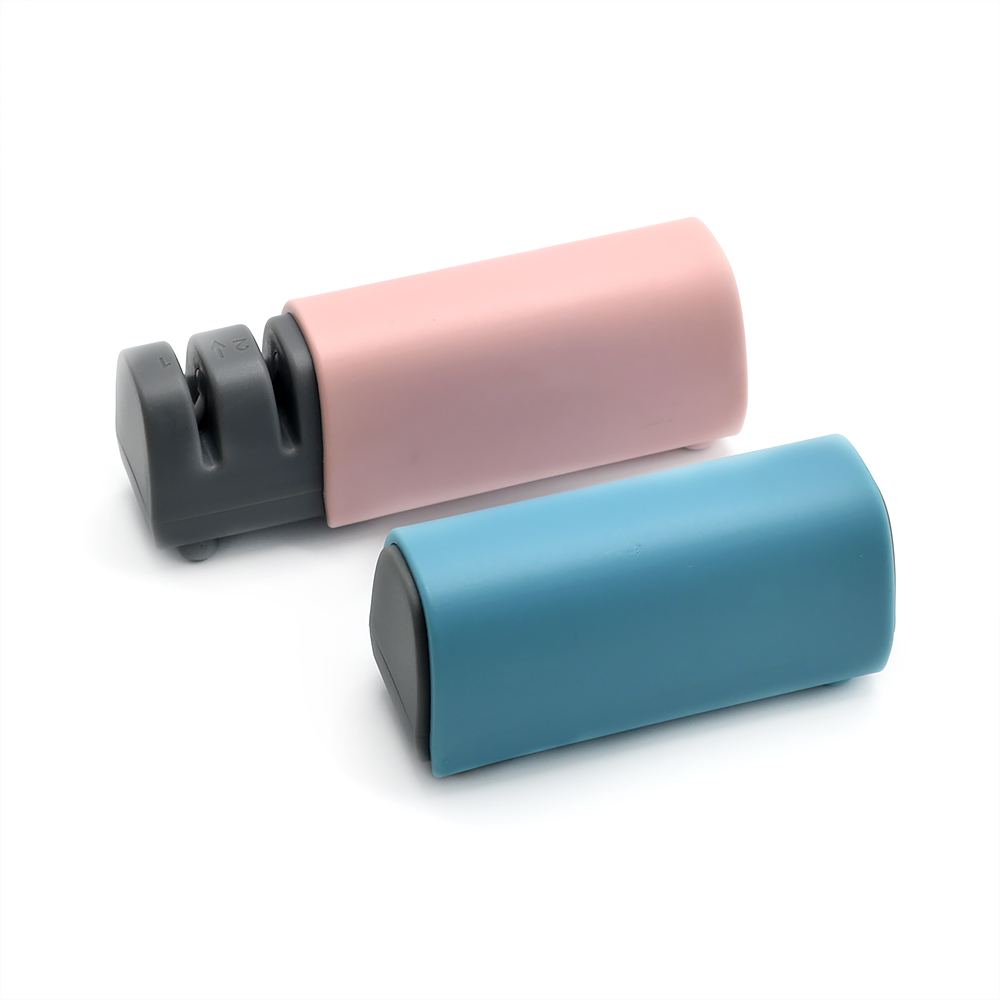
The product described is a compact bag clip sealer available in soft pink and sky blue, with a gray locking end marked with “1” and “2.” It uses a dual-stage lock concept and includes an arrow on the clip to guide the user through a simple press-and-slide action. Those details make it easy to understand the intended purpose: closing opened bags of snacks, cereals, pantry goods, and similar household items.
Product Overview and Intended Use
The Adjustable Bag Clip Sealer is designed for everyday food storage after a package has been opened. Rather than transferring every item into a separate container, users can fold or align the bag opening and secure it with the clip. The adjustable locking structure is intended to help create a firm closure, which may reduce exposure to air and moisture when used correctly.
Common use cases include pantry storage, lunch preparation, picnics, travel snacks, and organizing small non-liquid household items. For B2B buyers, this type of product often fits several retail categories: kitchen accessories, food storage, household organization, promotional goods, and value-pack impulse items.
Known Design Features from the Original Product
The original article identifies several specific design elements. These should be used as a starting point for product evaluation rather than as a complete technical specification. If you are sourcing this item, ask the supplier to confirm dimensions, material, packaging options, carton data, and any test information relevant to your market.
- Color options mentioned: soft pink and sky blue.
- Gray end section with a dual-stage lock marked “1” and “2.”
- Arrow marking to guide the locking direction.
- Press-and-slide style operation.
- Compact form for drawer storage or portable use.
- Application for snacks, cereals, and other pantry staples.
These details are useful because they influence customer understanding at the point of use. Clear markings can reduce returns caused by confusion, while color options can help a retailer create multipacks or coordinated kitchen accessory ranges.
Comparison Checklist for Buyers
When comparing an adjustable bag clip sealer with other bag clips, focus on practical performance and buyer risk. The table below can help purchasing teams create a basic evaluation checklist before requesting samples.
| Evaluation Point | What to Check | Why It Matters |
|---|---|---|
| Locking action | Test the “1” and “2” stages repeatedly with different bag thicknesses. | A clip that is hard to lock or too loose may lead to poor user experience. |
| Ease of instruction | Confirm that the arrow and lock markings are clear after production. | Simple visual guidance supports everyday household use. |
| Grip consistency | Try the clip on snack bags, cereal bags, and thin plastic pouches. | Retail buyers need a realistic sense of compatible packaging types. |
| Color consistency | Review approved color samples for soft pink, sky blue, and gray parts. | Consistent color is important for shelf presentation and private-label packs. |
| Packaging suitability | Ask about bulk pack, carded pack, bagged set, or custom retail packaging. | Packaging affects display, shipping cost, and channel fit. |
| Supplier documentation | Request available material, safety, and quality documents without assuming claims. | Importers must verify requirements for their own market. |
B2B Sourcing Questions to Ask a Supplier
Because the original article connects this product to a sharpener factory and sharpener supplier background, buyers should clarify how the item is produced and supported. Do not assume that details from a different product category automatically apply to this bag clip. Instead, ask direct questions and request written confirmation.
- What materials are used for each part of the clip, including the gray lock end?
- Are the soft pink and sky blue colors standard, or can they be customized?
- What are the available package formats for wholesale, retail, or OEM projects?
- What is the minimum order quantity for standard colors and for custom colors?
- Can the supplier provide product dimensions, weight, carton size, and loading data?
- Has the locking mechanism been tested for repeated use? If yes, what method was used?
- Are any food-contact or market-specific documents available, if required by the buyer?
- Can logo placement, instruction text, barcode labels, or multilingual packaging be arranged?
These questions do not replace a compliance review. They help buyers gather the information needed to decide whether the clip is suitable for their channel, region, and customer expectations.
Quality Review Before Placing an Order
Small kitchen accessories can look simple in photos, but quality differences become clear during sample handling. A buyer should test the clip with real packaged foods and with the types of bags common in the target market. Thin, slippery, thick, foil-lined, and gusseted bags may behave differently.
During sample review, check whether the press-and-slide action feels intuitive, whether the markings remain visible, and whether the clip stays closed when the bag is moved or stored upright. Inspect edges for roughness, confirm that parts align properly, and compare multiple samples from the same batch if possible. If the product will be sold in sets, check that each clip performs consistently.
Use and Care Guidance for End Customers
Retail packaging or product pages should explain proper use in plain language. A simple instruction can prevent misuse: fold or flatten the bag opening, position the clip across the sealed area, press, and slide the lock following the arrow and the “1” and “2” markings. If the bag is overfilled, oily, or unevenly folded, the closure may be less effective.
Users should keep the clip clean and dry, and they should inspect it if it has been dropped or forced onto an unsuitable package. The clip is best presented as a reusable household sealing aid, not as a substitute for canning, vacuum sealing, or long-term preservation methods.
Key Takeaways
- The Adjustable Bag Clip Sealer is a compact household closure tool for opened pantry bags.
- Explicit product details include soft pink and sky blue colors, a gray dual-stage lock marked “1” and “2,” and an arrow for operation.
- B2B buyers should request material, packaging, MOQ, customization, and testing details before ordering.
- Sample testing with real bags is essential because bag thickness and surface texture affect performance.
Practical FAQ
What makes this bag clip adjustable?
The original product description refers to a dual-stage locking system marked “1” and “2” on the gray end. Buyers should request samples to confirm how the two stages work with different bag types.
Is this product only for food packaging?
It is mainly described for snacks, cereals, and pantry staples. It may also help organize some dry household items, but buyers should avoid presenting unverified applications as guaranteed uses.
Can the colors or packaging be customized?
The original article mentions soft pink and sky blue. For OEM or private-label projects, ask the supplier whether custom colors, logos, instruction cards, or retail packaging are available.
What should importers verify before selling it?
Importers should confirm materials, intended use, labeling, packaging data, and any market-specific requirements. Do not assume certifications or compliance documents exist unless the supplier provides them.
How should retailers position this product?
Position it as a practical reusable bag closure tool for everyday pantry organization, lunch packing, and travel snacks. Clear instructions and realistic claims are more effective than exaggerated freshness promises.
