




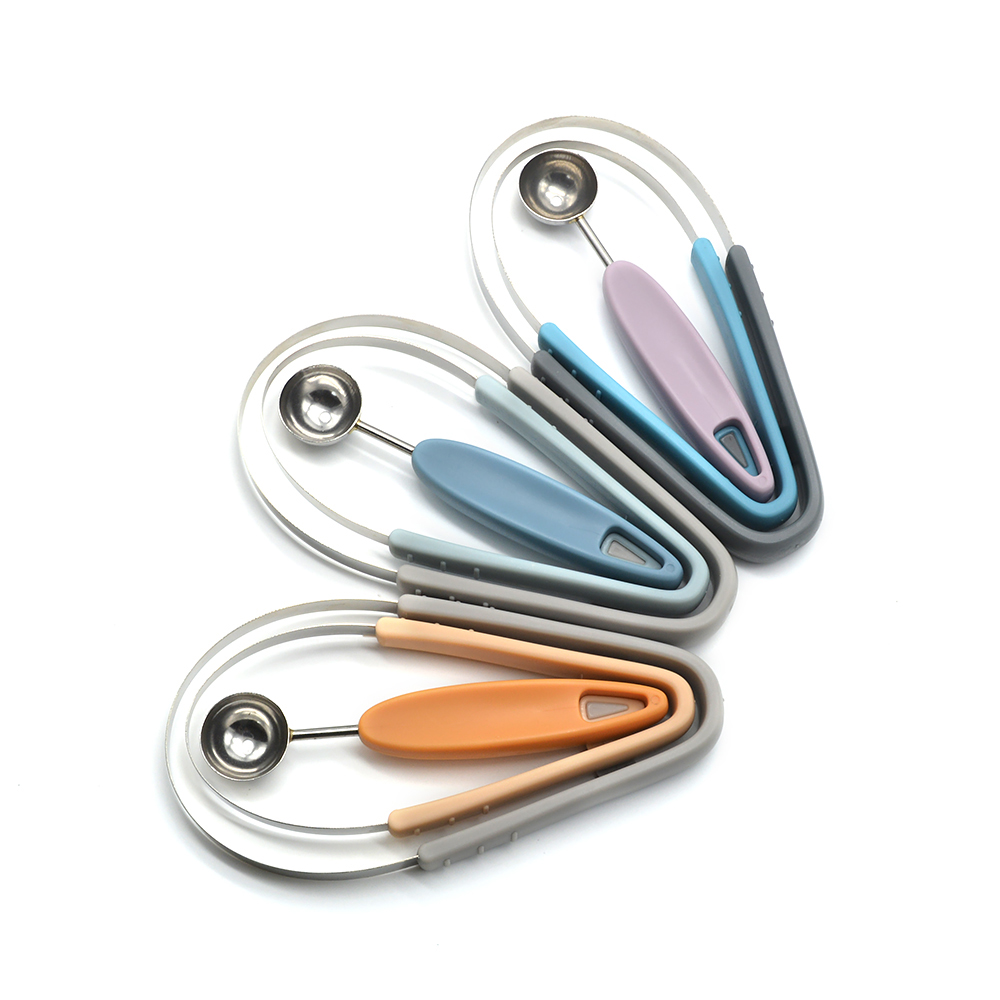
Revolutionary Nesting Kitchen Gadgets for Space-saving
Nesting kitchen gadgets are designed to solve a common kitchen problem: too many tools competing for too little storage space. Instead of spreading bowls, lids, strainers, cutters, and prep accessories across drawers and counters, nesting designs allow related parts to fit together in a compact stack. For small apartments, shared kitchens, meal-prep stations, and busy home kitchens, that simple change can make daily cooking easier to manage.
One useful example is the Salad Cutter Bowl described in the original article. It combines rinsing and chopping functions in one unit, using a slotted bowl as a colander and a rotating lid to help create even cuts. While buyers should always verify materials, dimensions, and care instructions with the supplier, the concept shows why nesting kitchen tools have become popular: they reduce the number of separate items needed for basic prep work.
Key Takeaways
- Nesting kitchen gadgets save space by allowing parts to fit inside or around one another.
- A salad cutter bowl can combine rinsing, draining, and cutting steps in one compact tool.
- Good product selection depends on ease of cleaning, storage size, stability, and clear usage instructions.
- B2B buyers should ask suppliers about materials, packaging, customization, quality checks, and compliance documentation instead of assuming specifications.
Why Nesting Kitchen Gadgets Matter
Kitchen clutter is not only a storage issue; it can also slow down food preparation. When a cook needs a colander, cutting board, bowl, knife, and serving dish for a simple salad, the process creates more handling and more washing. Nesting kitchen gadgets reduce that friction by grouping related functions together.
The best nesting tools are not just smaller versions of ordinary products. They are designed so each component has a clear purpose and stores neatly after use. For consumers, this can mean faster cleanup and a tidier cabinet. For retailers, wholesalers, and OEM buyers, it means a product category that is easy to explain: compact preparation tools for modern kitchens.
How a Salad Cutter Bowl Works
A salad cutter bowl is a practical example of space-saving kitchen design. According to the original article, the bowl includes slots that allow it to function as a colander for rinsing greens, fruit, or vegetables. After rinsing, the rotating lid helps guide cutting so ingredients can be sliced more evenly without immediately reaching for an extra cutting board.
This type of tool is especially useful for everyday salads, fruit mixes, simple vegetable prep, and quick lunches. It does not replace every kitchen knife or board, and it should be used according to the product instructions. However, when the design is stable and easy to clean, it can reduce the number of separate prep items used for routine meals.
Comparison and Selection Checklist
Before choosing nesting kitchen gadgets for home use or sourcing, compare more than the visual design. The table below outlines practical points to review.
| Selection point | Why it matters | What to check |
|---|---|---|
| Storage footprint | The main benefit is space saving. | Ask for nested and assembled dimensions. |
| Function combination | Too many functions can make a tool awkward. | Confirm whether it rinses, drains, cuts, serves, or stores. |
| Stability in use | Cutting and rotating require control. | Check base grip, lid fit, and handling instructions. |
| Cleaning method | Food can remain in slots or moving parts. | Ask whether parts separate for washing and how they should be cleaned. |
| Material information | Material affects durability and intended use. | Request exact material details from the supplier. |
| Packaging | Important for retail and e-commerce. | Ask about carton size, labeling options, and protective packaging. |
Use-and-Care Guidance for Everyday Kitchens
For consumer-facing use, a nesting gadget should make cooking simpler, not introduce extra steps. When using a salad cutter bowl or similar product, rinse produce thoroughly, avoid overfilling the bowl, and use the lid only as directed. If the bowl has slots, check that small pieces of fruit or vegetables do not become trapped during washing.
After use, separate the components if the product design allows it. Wash areas around slots, grooves, and rotating parts carefully, because these are the places where moisture and food residue can remain. Dry all pieces before nesting them for storage. Storing parts while wet can create odors or make the cabinet messy.
For best results, choose nesting tools that match your cooking habits. A person who prepares salads daily may benefit from a salad cutter bowl, while someone who mainly cooks hot meals may prefer nesting measuring cups, mixing bowls, or strainers. The right purchase is the one that replaces repeated tasks, not one that adds another rarely used gadget.
B2B Sourcing Guidance for Kitchen Tools Buyers
For wholesalers, retailers, and OEM buyers, nesting kitchen gadgets should be evaluated as functional products, not only as compact displays. Ask potential suppliers for product drawings or dimensions, material declarations, packaging details, and care instructions. If the product will be sold in a specific market, request any relevant test reports or compliance documents instead of assuming they are available.
Important sourcing questions include:
- What exact materials are used for the bowl, lid, and any moving parts?
- Can the product be customized with color, packaging, or branding?
- What are the supplier’s standard quality inspection steps?
- Are samples available for fit, stability, and cleaning evaluation?
- What carton packing method is used to protect nested components during shipping?
- Which care instructions and warnings are included with the product?
Because nesting products rely on precise fit, sample testing is especially important. A lid that rotates poorly, a bowl that feels unstable, or parts that are difficult to separate can quickly reduce customer satisfaction. Buyers should review usability before discussing larger orders.
Common Mistakes to Avoid
One common mistake is buying a nesting set only because it looks compact in product photos. Always consider how it works when full of food, wet from washing, or placed on a busy countertop. Another mistake is assuming that a multi-function tool will replace every traditional tool. Nesting gadgets are most valuable when they simplify frequent, repetitive tasks.
For B2B buyers, avoid publishing product claims that have not been documented. If a supplier has not provided proof for material grade, heat resistance, dishwasher suitability, or food-contact compliance, those points should be confirmed before being used in product listings or packaging.
Practical FAQ
What are nesting kitchen gadgets?
They are kitchen tools designed so their parts fit together compactly for storage. Examples can include bowls, strainers, measuring sets, and preparation tools with integrated lids or accessories.
Is a salad cutter bowl only for lettuce?
No. The original article notes that it can help prepare fruits as well as vegetables. Users should choose produce sizes and textures that suit the product instructions.
Do nesting gadgets save time?
They can save time when they reduce the number of separate tools used for a task, such as rinsing and cutting salad ingredients in one workflow. Cleaning and assembly should still be considered.
What should retailers ask a supplier before buying?
Retailers should ask for exact materials, dimensions, packaging information, available customization, sample options, quality control steps, and any documents needed for the target sales market.
How should nesting kitchen tools be stored?
Clean and dry every component before stacking or nesting. Keep moving parts, lids, and bowls together so the tool is ready for the next use.
Final Thoughts
Nesting kitchen gadgets are useful because they address a real storage and workflow problem. A well-designed salad cutter bowl can help combine rinsing, draining, and cutting into a compact routine, while other nesting tools can make drawers and cabinets easier to organize. Whether buying for home use or sourcing for resale, focus on practical fit, cleaning, stability, and verified product information. Compact design is valuable, but only when the tool remains easy to use every day.
