




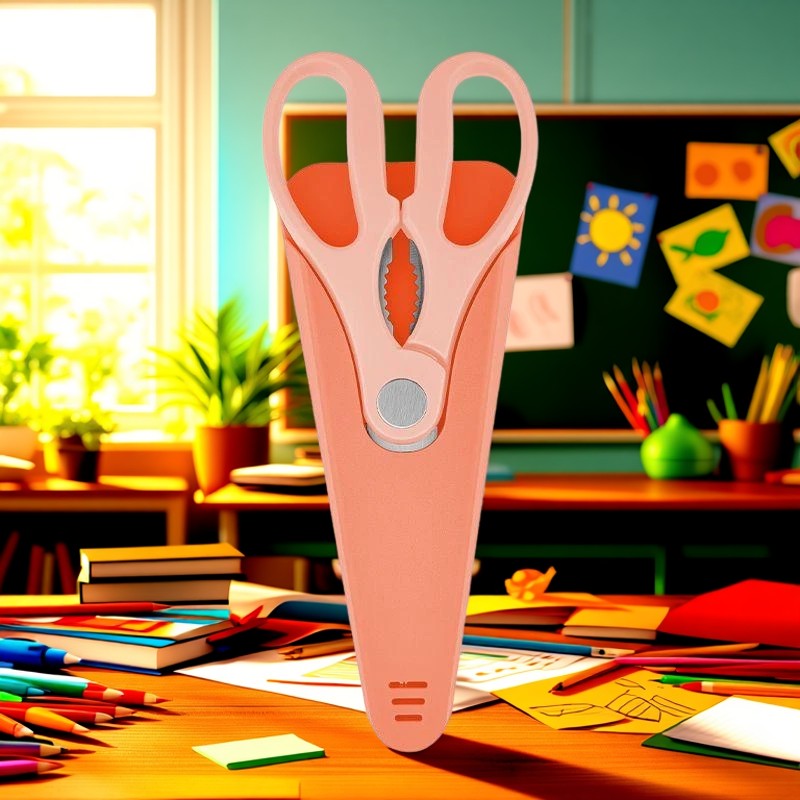
Magnetic Kitchen Scissors: Practical Uses, Storage, and Buying Tips
Kitchen scissors are one of the most frequently reached-for tools in a busy kitchen. They trim herbs, cut packaging, portion poultry, snip vegetables, and reduce the need to move ingredients between a knife and cutting board. Magnetic kitchen scissors add a simple storage advantage: the scissors or their protective sheath can attach to a refrigerator, metal rack, or other suitable metal surface, keeping the tool visible and close at hand.
The original article highlights several useful ideas: magnetic storage, a sheath for safer handling, stainless steel blades, and integrated functions such as a serrated edge, nutcracker, and bottle opener. This guide expands those points into practical selection advice for home users, retailers, and wholesale buyers comparing kitchen scissors with sheath options.
Key Takeaways
- Magnetic kitchen scissors are mainly valued for convenient storage and faster access during food preparation.
- A sheath helps protect the blades, reduce accidental contact, and keep drawers or work areas more organized.
- Integrated kitchen scissors may include useful extras such as a serrated edge, nutcracker, or bottle opener, but buyers should check whether each feature is well built.
- Stainless steel blades are mentioned in the source, but buyers should ask suppliers for the exact steel type, care instructions, and corrosion-resistance details.
- For wholesale or OEM sourcing, confirm packaging, magnet strength, blade finish, safety testing, and after-sales support before placing a larger order.
What Are Magnetic Kitchen Scissors?
Magnetic kitchen scissors are kitchen shears designed for accessible storage. In many designs, the magnetic element is built into the sheath rather than the blades themselves. This allows the covered scissors to attach to a suitable metal surface, which can be useful when drawer space is limited or when cooks want a dedicated place for frequently used tools.
The practical benefit is not only convenience. When scissors have a regular storage position, they are less likely to be misplaced, mixed with sharp knives, or left loose on a countertop. For households, this can improve daily kitchen organization. For commercial buyers, the magnetic sheath can also be a clear selling point because it is easy to explain on product pages, packaging, and retail displays.
Where Integrated Kitchen Scissors Are Most Useful
Integrated kitchen scissors combine cutting with other small tasks. According to the source article, these may include stainless steel blades, a serrated edge, a built-in nutcracker, and a bottle opener. These features are most useful when they solve common preparation problems without making the tool bulky or difficult to clean.
For example, a serrated section can help grip slippery food surfaces or tougher packaging. A nutcracker feature may be helpful for occasional shell cracking, while a bottle opener can reduce the need to search for another small tool. However, more functions do not automatically mean better performance. The most important question is whether the scissors still cut cleanly, feel balanced in the hand, and can be cleaned properly after use.
Why a Sheath Matters for Safety and Hygiene
Kitchen scissors with a sheath are easier to store safely than uncovered blades. A sheath helps prevent accidental cuts when the scissors are placed in a drawer, carried to an outdoor cooking area, or stored near other utensils. It also protects the cutting edges from unnecessary contact with hard objects, which may help maintain sharpness for longer.
Hygiene is another reason to consider a sheath, but it should not be misunderstood. A sheath does not replace cleaning. Scissors should still be washed and dried according to the supplier's care guidance before they are stored. If food residue is trapped near the hinge, handle, or sheath opening, it can create cleaning problems. Buyers should look for smooth surfaces, accessible joints, and instructions that clearly explain whether the scissors are dishwasher-safe or hand-wash only.
Comparison Checklist for Buyers
| Feature to Check | Why It Matters | Question to Ask |
|---|---|---|
| Magnetic sheath | Keeps scissors visible and easy to store on suitable metal surfaces | How strong is the magnet, and what surfaces is it designed for? |
| Blade material | Affects cutting performance, care, and corrosion resistance | What exact stainless steel type is used? |
| Serrated edge | Can improve grip on slippery or tough items | Is the serration on one blade or a specific cutting section? |
| Nutcracker function | Adds occasional multi-use value | What shell sizes or use cases is it intended to handle? |
| Bottle opener | Useful for casual kitchen and serving tasks | Is the opener integrated into the handle or blade area? |
| Cleaning design | Reduces trapped food residue and maintenance issues | Can the scissors be separated for cleaning, or are they fixed? |
| Packaging | Important for retail, gifting, and e-commerce protection | What packaging options are available for wholesale or OEM orders? |
How to Choose Magnetic Kitchen Scissors for Home Use
For a home kitchen, start with the tasks you perform most often. If you cut herbs, open food bags, trim cooked meat, and snip parchment paper, a comfortable handle and sharp blades will matter more than extra functions. If you frequently prepare poultry or tougher ingredients, look closely at blade thickness, hinge strength, and whether the handle gives enough leverage.
Storage habits should also guide your choice. A magnetic sheath is most useful if you have a safe metal surface away from heat, steam, and children's reach. Avoid placing any sharp tool where it can be knocked down easily. If your kitchen has limited metal surfaces, the sheath can still protect the blades in a drawer, but the magnetic feature may be less important.
- Confirm that the scissors feel comfortable for your hand size.
- Check that the blades open and close smoothly without wobbling.
- Review the supplier's cleaning instructions before first use.
- Store the scissors dry to reduce the chance of stains or corrosion.
- Use the sheath consistently rather than leaving blades uncovered.
B2B Sourcing Guidance for Wholesale and OEM Buyers
For distributors, retailers, and OEM buyers, magnetic kitchen scissors should be evaluated as both a cutting tool and a packaged consumer product. Product photos may show the overall design, but they rarely answer important sourcing questions. Before confirming an order, request samples and inspect cutting performance, magnet placement, sheath fit, handle comfort, and finish consistency.
Because the source does not provide Bonet-specific manufacturing capacity, minimum order quantity, certifications, testing results, or material grade, buyers should not assume those details. Instead, ask the supplier directly. Useful questions include: What stainless steel grade is used? Can the product be supplied with private-label packaging? What quality checks are performed before shipment? Are instructions and warnings available in the target market's language? What carton packing is recommended for e-commerce delivery?
Retail positioning should remain realistic. A magnetic sheath and integrated functions are easy to communicate, but the product still needs reliable cutting performance. For repeat orders, track customer feedback on blade sharpness, magnet strength, rust complaints, hinge durability, and packaging damage.
Use and Care Tips
Good care helps kitchen scissors last longer and work more safely. After cutting food, wash the blades promptly and dry them fully before returning them to the sheath. If the scissors have a nutcracker or bottle opener area, check those grooves or edges for food residue. Avoid using kitchen scissors on materials they were not designed for, such as hard wire, bones that exceed the intended use, or non-food workshop tasks.
If the blades begin to feel dull, follow the supplier's sharpening guidance or consult a suitable sharpening service. Do not place wet scissors into a closed sheath for long periods. Even stainless steel can develop stains if moisture, salt, or acidic food residue remains on the surface.
FAQ
Are magnetic kitchen scissors safe to store on a refrigerator?
They can be convenient on a refrigerator or other suitable metal surface if the magnet holds securely and the location is away from children, heat, and accidental bumps. Always keep the blades covered by the sheath.
Does a magnetic sheath make the scissors harder to clean?
Not necessarily. The sheath is separate from the cutting edges in many designs, but both the scissors and sheath should be kept clean and dry. Ask the supplier for specific cleaning instructions.
Are integrated kitchen scissors better than standard kitchen scissors?
They are better only if the added functions match your needs and do not reduce cutting comfort. A serrated edge, nutcracker, or bottle opener can be useful, but blade quality and handle comfort remain essential.
What should wholesale buyers verify before ordering?
Buyers should verify material details, sample quality, magnet strength, sheath fit, packaging options, care instructions, labeling requirements, and any testing or documentation needed for the target market.
Can these scissors replace a chef's knife?
No. Kitchen scissors are best for snipping, trimming, and quick cutting tasks. A chef's knife and cutting board are still better for precise slicing, chopping, and larger preparation work.
