




Multi-Functional Kitchen Scissors: Practical Buying and Use Guide
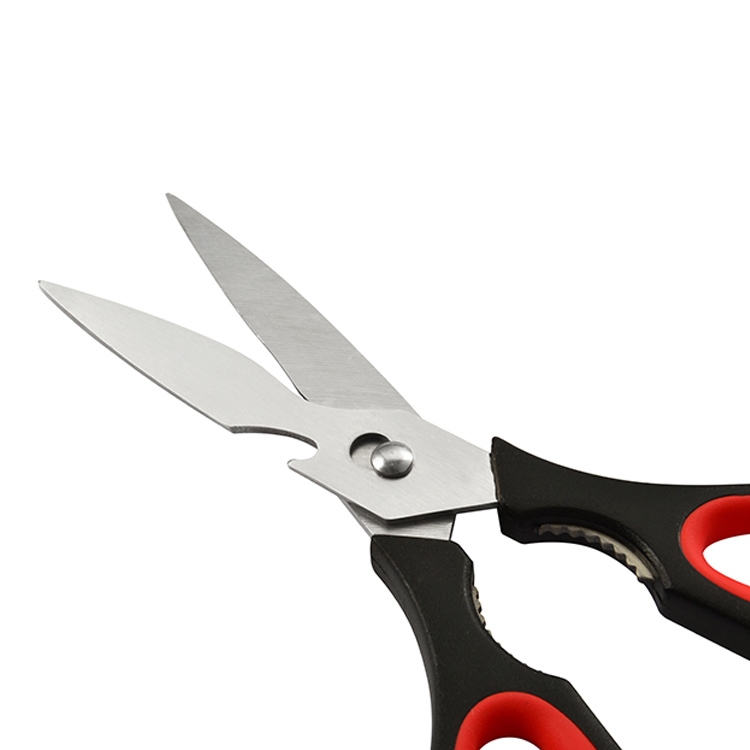
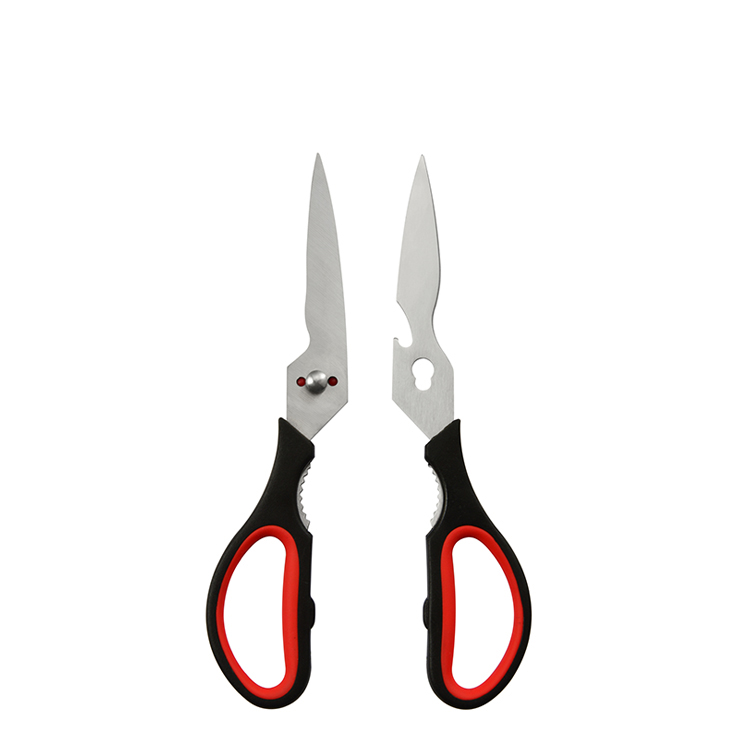
Multi-functional kitchen scissors are useful because they combine several everyday kitchen tasks in one compact tool. A good pair can cut herbs, trim vegetables, portion cooked foods, open packaging, and help with small utility jobs around the kitchen. The original product description highlights stainless steel blades, finely serrated edges, a blade notch for cracking nuts and opening bottle caps, inner grip teeth for tight lids, non-slip handles, a black and red color palette, and options such as a protective cover or OEM kitchen scissors solutions. Those are helpful starting points, but buyers should still evaluate performance, safety, cleaning, and sourcing details before placing an order.
Key Takeaways
- Choose kitchen scissors based on blade control, handle comfort, cleaning access, and the specific tasks your customers perform most often.
- Multi-function features such as a bottle opener, nut-cracking notch, and inner grip teeth are useful only when they are comfortable and safe to use.
- For wholesale or OEM sourcing, ask suppliers clear questions about materials, packaging, quality checks, customization limits, and documentation.
- A protective cover can improve storage safety and help keep the cutting edge protected when the scissors are kept in a drawer.
What Multi-Functional Kitchen Scissors Are Designed to Do
Unlike office scissors, kitchen scissors are built for food preparation and kitchen utility work. The serrated cutting edge mentioned in the source can help grip slippery foods more securely than a smooth edge, which is useful when cutting herbs, leafy vegetables, cooked meat, or thin packaging. The blade notch can add value for small tasks such as cracking nuts or opening bottle caps, while inner grip teeth may help twist tight lids or remove stubborn bottle tops.
However, multi-function does not mean every feature will be equally important for every buyer. A restaurant prep team may care most about repeat cutting comfort and easy cleaning. A retail buyer may care about safe packaging, clear instructions, and attractive shelf presentation. An OEM buyer may focus on handle color, cover design, branding area, and consistent quality between production batches.
How to Evaluate Blade Performance
The original article describes the scissors as made with stainless steel and finely serrated edges. Stainless steel is commonly used for kitchen tools because it is practical for a food-prep environment, but buyers should not assume a specific grade unless the supplier confirms it. If material grade matters for your market, ask for the exact stainless steel grade, blade hardness range if available, and any relevant test reports or internal inspection standards.
For hands-on evaluation, test the scissors on the foods or packaging your customers actually use. Try cutting leafy herbs, thin plastic packaging, cooked poultry, scallions, and parchment or food bags. The blades should meet cleanly, cut without excessive crushing, and return smoothly after each squeeze. Check whether the serration helps grip material without making the cut feel rough or requiring too much hand pressure.
Handle Comfort, Control, and Safety
Handle design is just as important as blade sharpness. The source notes non-slip ergonomic handles and suitability for both right- and left-handed users. In practice, buyers should still test the handle with different hand sizes. A handle that feels comfortable for a short product photo session may become tiring during repeated cutting.
Look for rounded edges around the finger loops, a stable grip when hands are slightly wet, and enough clearance so fingers do not rub against hard plastic points. If the scissors include inner grip teeth, make sure they do not interfere with normal cutting. For retail and household use, consider whether a cover is included, how securely it fits, and whether it is easy to remove without touching the cutting edge.
Feature Checklist for Buyers
| Feature to Check | Why It Matters | Questions to Ask |
|---|---|---|
| Serrated stainless steel blades | Helps grip food and packaging during cutting | What stainless steel grade is used, and how is sharpness inspected? |
| Blade notch | Adds utility for cracking nuts or opening bottle caps | Is the notch comfortable to use without stressing the hinge? |
| Inner grip teeth | Can help with tight lids or bottle tops | Does the grip work safely with common cap sizes? |
| Non-slip handles | Improves control during wet or repetitive tasks | What handle material is used, and can colors be customized? |
| Protective cover | Supports safer drawer storage and blade protection | Is a cover included, optional, or available for OEM packaging? |
| Packaging and instructions | Important for retail clarity and safe use | Can the supplier provide warning labels, care guidance, and branded packaging? |
Cleaning and Care Guidance
Kitchen scissors touch food directly, so cleaning should be simple. After use, rinse away food residue promptly, especially around the hinge, notch, and grip teeth. Wash with warm water and mild dish soap, then dry thoroughly before storage. If a supplier says the scissors are dishwasher safe, ask for confirmation and care instructions, because dishwasher heat and detergents can affect some handle materials or finishes over time.
Do not use kitchen scissors on bones, frozen foods, wire, or hard non-food materials unless the supplier specifically states that the product is designed for those uses. Misuse can damage the blades, loosen the pivot, or create safety risks. For household users, storing the scissors with a cover is a practical way to reduce accidental contact with the blade and protect the edge from rubbing against other utensils.
OEM and Wholesale Sourcing Considerations
Because the original article mentions OEM kitchen scissors solutions, B2B buyers should approach the product as a sourcing project rather than a finished decision based only on appearance. Start by defining the target channel: supermarket retail, online marketplace, promotional gift, restaurant supply, or private-label kitchenware. Each channel may require different packaging, user instructions, barcode needs, and durability expectations.
Before confirming an order, ask the supplier about available handle colors, logo placement, cover options, packaging formats, sample lead time, production lead time, minimum order quantity, inspection process, and export documentation. Do not assume certifications, compliance status, or test results. Request documents that match your destination market and product category. If you plan to sell in multiple countries, confirm labeling language, safety warnings, and any applicable import requirements with your compliance advisor.
How to Match the Scissors to the User
For home cooks, the best choice is usually a comfortable pair that handles common prep tasks and is easy to clean. For professional kitchens, durability, repeatable cutting action, and hygiene access may be more important than decorative color. For retailers, the black and red design described in the source can help the product stand out visually, but packaging should also explain the functions clearly so shoppers understand the value without overpromising.
- List the top five tasks the scissors must perform.
- Test samples with real foods, packaging, and hand sizes.
- Check comfort after repeated cuts, not only on the first use.
- Review cleaning access around the hinge and multi-function areas.
- Confirm packaging, cover, logo, and documentation details before bulk ordering.
Practical FAQ
Are multi-functional kitchen scissors only for food preparation?
They are mainly intended for kitchen tasks such as cutting herbs, vegetables, cooked foods, and packaging. Extra functions may help with bottle caps, nuts, or tight lids, depending on the design.
Should buyers choose scissors with a protective cover?
A cover is useful for drawer storage, shipping presentation, and reducing accidental contact with the blades. If sourcing wholesale, ask whether the cover is included or optional.
Can kitchen scissors be customized for OEM projects?
Some suppliers offer OEM options, but details vary. Ask about logo method, handle color, packaging design, cover style, MOQ, sample timing, and approval process.
What should I verify before buying in bulk?
Verify material information, sample performance, handle comfort, cleaning guidance, packaging details, inspection standards, and any compliance documents required for your sales market.
How should users maintain the scissors?
Wash after use, remove residue from the hinge and grip areas, dry thoroughly, and store safely. Avoid cutting materials beyond the supplier’s recommended use.
