




OEM Kitchen Scissors: Practical Sourcing Guide for Kitchen Shears
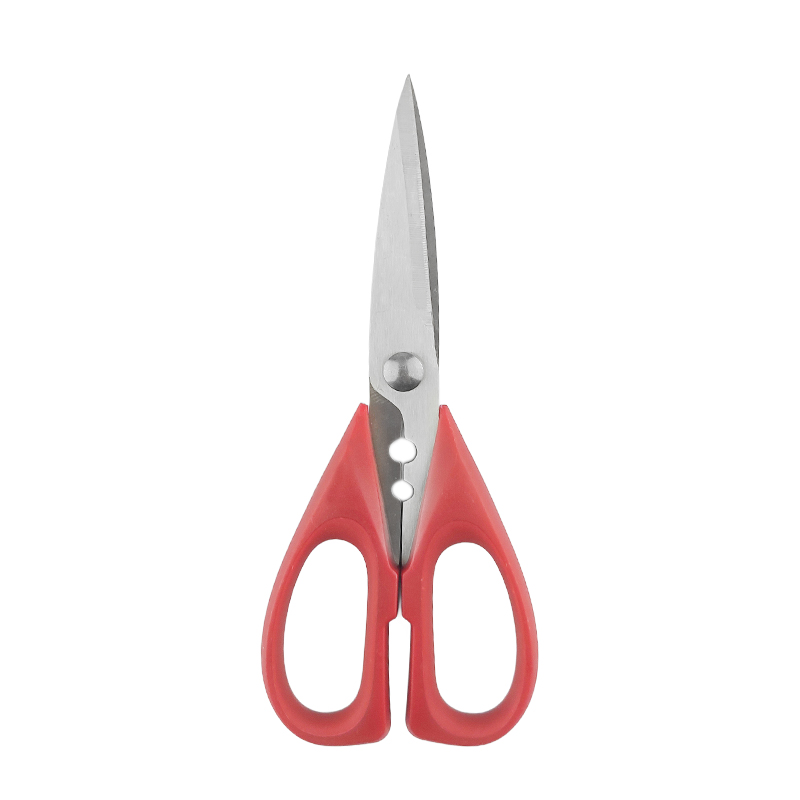
OEM kitchen scissors are a small product category with a surprisingly wide range of sourcing decisions. For wholesalers, private label brands, distributors, and kitchenware retailers, the right scissors need to cut cleanly, feel secure in the hand, and match the expectations of the target market. The original product description highlights kitchen scissors with stainless steel blades, ergonomic handles, non-slip grips, a red handle design, and multi-use functions such as opening bottles and cracking nuts. Those details provide a useful starting point, but B2B buyers should go further before placing an OEM or wholesale order.
This guide explains how to assess kitchen scissors from a factory or supplier, what questions to ask during development, and how to compare samples for practical performance. It is written for sourcing teams that need clear evaluation criteria rather than broad marketing claims.
Key Takeaways
- OEM kitchen scissors should be evaluated by cutting performance, handle comfort, cleaning convenience, and consistency between samples.
- Do not rely only on product photos; request samples and test them on the materials your customers are likely to cut.
- Useful features may include stainless steel blades, non-slip handles, nut-cracking areas, and bottle-opening functions, but each should be verified with the supplier.
- Before ordering, ask about packaging options, customization limits, inspection process, replacement policy, and documentation available for your market.
What OEM Kitchen Scissors Need to Do Well
Kitchen scissors are often expected to handle more than one task. In daily use, a customer may cut herbs, trim food packaging, portion poultry, snip vegetables, or open a sealed bag. Some utility scissors also include extra functions for cracking nuts or opening bottles. For OEM buyers, the goal is not simply to add more functions, but to make sure each function is safe, understandable, and durable enough for repeated use.
The source article describes finely honed stainless steel blades and corrosion-resistant properties. These are important points to confirm because kitchen tools are exposed to moisture, food acids, cleaning detergents, and frequent hand washing. Ask the supplier what type of stainless steel is used, how the blade edge is finished, and whether the scissors are intended for dishwashing or hand washing only. If the supplier cannot confirm details, treat the sample as the primary basis for evaluation.
Blade Material, Sharpness, and Cutting Performance
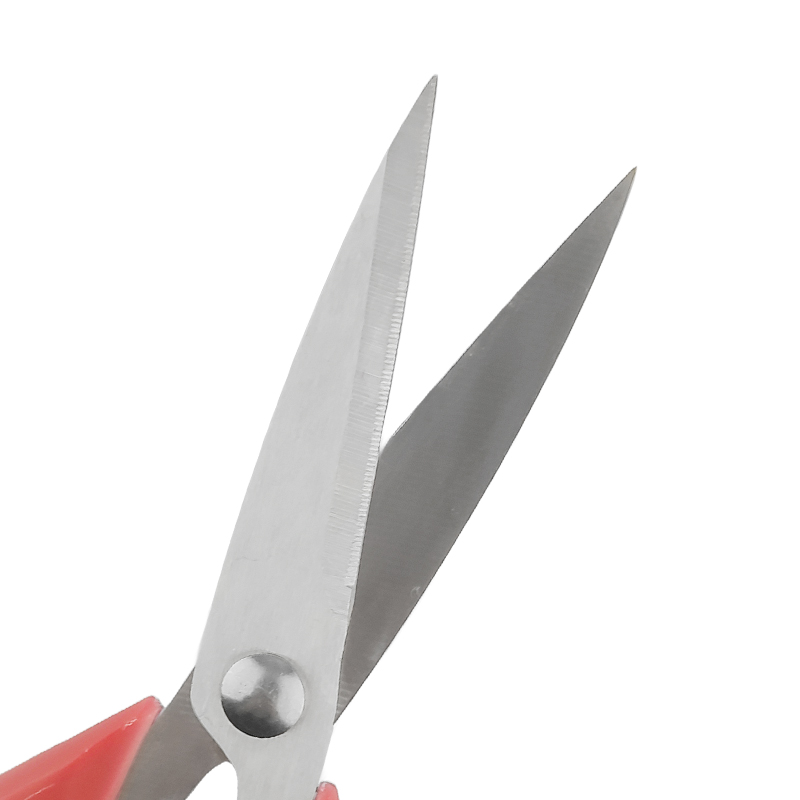
The blade is the main performance feature of any kitchen scissors. Stainless steel is widely used because it can offer a useful balance of edge retention and resistance to rust, but not all stainless steel performs the same. Since the original information does not state a specific grade, buyers should avoid assuming one. Instead, request the material grade from the supplier and ask whether it can be shown on a specification sheet, packaging, or commercial invoice if required.
Sample testing should include realistic cutting tasks. Test fresh herbs to see whether the blades cut cleanly or crush the leaves. Try food packaging to check whether the scissors bite into flexible plastic or slip. If the product is positioned for heavier kitchen work, test poultry skin, thin bones only if the supplier says it is suitable, and thick cardboard packaging. Record how much force is needed and whether the two blades remain aligned after repeated cuts.
Buyers should also inspect the blade tips and inner edges. Rough finishing can make scissors harder to clean and may create an unpleasant cutting feel. A smooth blade surface and consistent sharpening angle are signs worth checking during sample review, even when no formal testing report is provided.
Handle Comfort and Safety Considerations
The original article mentions ergonomic handles, a vibrant red hue, and non-slip grips. These details matter because kitchen scissors are often used with wet hands or oily ingredients nearby. A handle should feel stable without forcing the user into an awkward grip. For an OEM project, the handle shape should also fit the target customer. A compact handle may suit small kitchens and light prep tasks, while a larger grip may be better for users wearing gloves or cutting tougher materials.
Color is not only a visual decision. A red handle can make the tool easy to locate in a drawer or commercial prep area. If private label buyers want a different color, they should ask whether color matching is available, whether there is a minimum quantity for custom colors, and whether the supplier can keep color consistency across production batches.
Non-slip grip claims should be tested. Wet the handle lightly, then cut a few common materials. Check whether the grip remains secure and whether any seam or edge causes discomfort. For products intended for frequent use, even small pressure points can lead to negative customer feedback.
Multi-Use Features: Useful or Unnecessary?
The source article states that the scissors include three strategically placed pivot points for multi-use functionality and can be used for tasks such as cracking nuts and opening bottles. Multi-use features can improve perceived value, especially in retail channels where customers compare products quickly. However, B2B buyers should confirm exactly how these features are built and how they are intended to be used.
A bottle opener should be positioned so the user can apply force safely without the blades moving unexpectedly. A nut-cracking section should grip the shell without damaging the handle or loosening the pivot. If the product has multiple pivot points or functional areas, ask the supplier to explain the design and provide clear product use instructions for packaging or manuals.
More features are not always better. A simple, durable pair of kitchen shears may be more suitable for food-service buyers, while a feature-rich design may appeal to retail consumers. The best choice depends on sales channel, price level, and expected use case.
Comparison Checklist for OEM Buyers
| Evaluation Area | What to Check | Questions to Ask the Supplier |
|---|---|---|
| Blade material | Stainless steel type, edge finish, corrosion resistance in normal kitchen use | What blade material is used, and can it be documented? |
| Cutting performance | Herbs, packaging, soft foods, and any heavier tasks the product is marketed for | What materials is this model designed to cut? |
| Handle design | Comfort, non-slip feel, grip size, color consistency | Can handle color or logo placement be customized? |
| Multi-use functions | Bottle opener, nut cracker, pivot stability, user safety | Are instructions or diagrams available for these features? |
| Cleaning and care | Food traps, separable design if applicable, washing recommendations | Is hand washing recommended, or is dishwasher use allowed? |
| Packaging | Retail card, box, barcode, instruction insert, private label options | What packaging formats are available for OEM orders? |
| Quality control | Batch consistency, sharpness checks, handle fit, visual defects | What inspections are performed before shipment? |
OEM Customization and Private Label Planning
For a kitchen scissors factory project, customization can involve logo printing, handle color, packaging design, instruction sheets, or bundled sets. Before discussing price, buyers should prepare a clear brief. Include target market, sales channel, expected retail positioning, packaging language, barcode needs, and any restrictions from the destination market.
Ask the supplier which parts of the product are standard and which can be modified. A standard mold with customized packaging may be faster and lower risk than changing the handle shape or blade structure. If the product is intended for a promotion, seasonal line, or first test order, a standard model may help buyers evaluate market demand before investing in deeper customization.
Commercial details should be confirmed directly. Ask about minimum order quantity, lead time, sample cost, tooling requirements if any, payment terms, and how changes are approved. Do not assume that a supplier can meet a specific MOQ or delivery date unless it is stated in a current quotation.
Quality Checks Before Placing a Wholesale Order
Kitchen scissors should be checked both as tools and as retail products. For function, compare several samples from the same supplier rather than relying on one perfect sample. Open and close each pair repeatedly, listen for scraping, and check whether the pivot feels too loose or too tight. Cut the same test materials with each sample and record differences.
For appearance, inspect blade polish, handle finish, logo placement, packaging print quality, and barcode readability if applicable. If the scissors have a red handle, compare samples under similar lighting to see whether the color is consistent. If the supplier offers non-slip grips, check whether the grip material is firmly attached and free from defects.
For shipment control, buyers may want to request a pre-shipment inspection plan. The plan can include visual inspection, functional cutting tests, packaging checks, carton labeling, and quantity verification. The exact inspection method should match the order value and buyer risk tolerance.
Care Guidance to Include for End Users
Even when the article is written for B2B sourcing, end-user care instructions are important because they reduce complaints and returns. Unless the supplier confirms dishwasher suitability, hand washing is a safer recommendation for many kitchen scissors. Users should clean the blades after cutting sticky, salty, or acidic foods and dry the scissors before storing them.
Suggested care guidance for packaging or product pages can include:
- Wash before first use.
- Clean blades promptly after cutting food.
- Dry fully before placing in a drawer or knife block.
- Use the scissors only for tasks described by the manufacturer or supplier.
- Keep out of reach of children when not in use.
If the scissors include bottle-opening or nut-cracking functions, include simple instructions so customers understand the correct grip and direction of force.
Practical FAQ
What should buyers ask a kitchen scissors factory first?
Start with the blade material, handle material, available customization, packaging options, MOQ, lead time, and sample availability. Also ask what quality checks are performed before shipment.
Are stainless steel kitchen scissors always rust-proof?
No. Stainless steel can resist corrosion, but performance depends on the grade, surface finish, care, and usage conditions. Buyers should ask for material details and provide clear care instructions to users.
Can OEM kitchen scissors be used for poultry?
Only if the supplier states that the model is suitable for that task. Test samples with realistic materials and avoid marketing heavy-duty uses that have not been confirmed.
Is a multi-function design better for wholesale kitchen shears?
It depends on the sales channel. Retail consumers may value added functions such as a bottle opener or nut cracker, while professional users may prefer simpler scissors with strong cutting performance and easy cleaning.
How can buyers reduce quality risk?
Order and test samples, confirm specifications in writing, approve packaging artwork carefully, and use a pre-shipment inspection checklist that includes cutting performance, appearance, labeling, and carton checks.
