




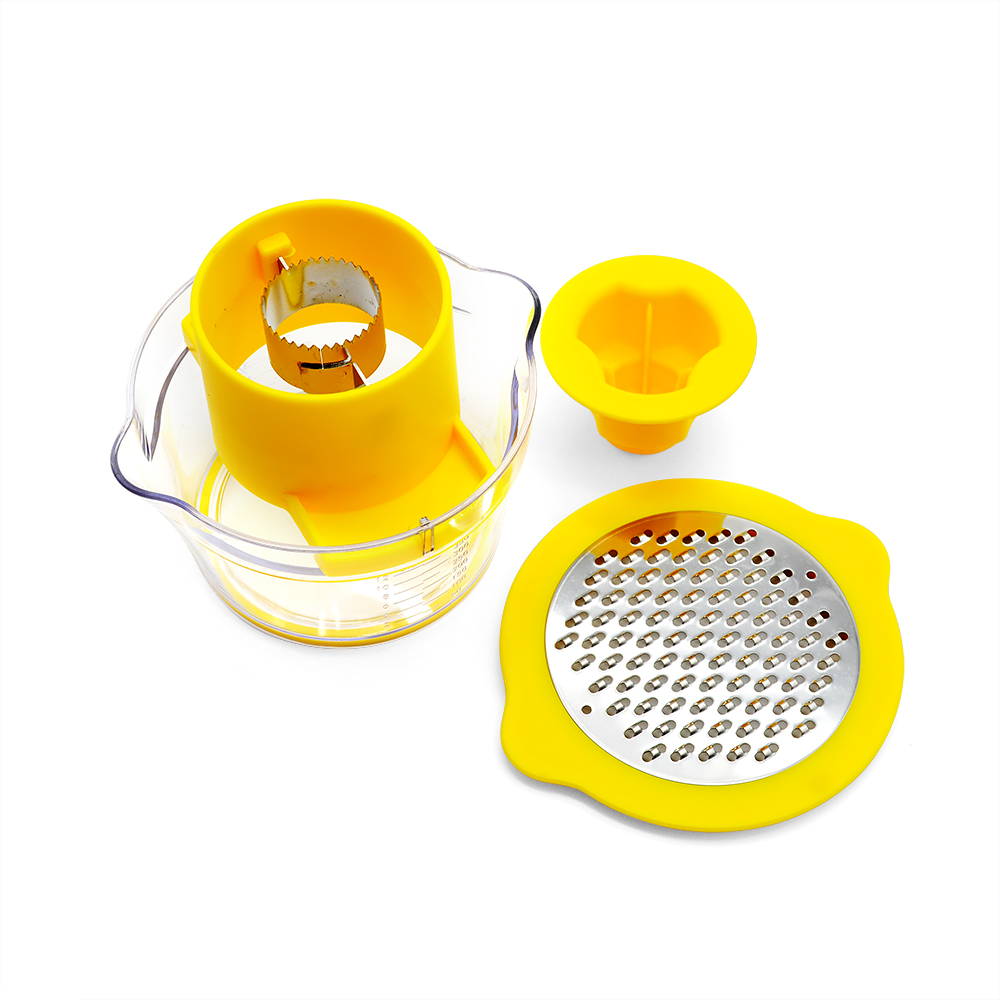
Choosing the Best Corn Sheller for Efficient Corn Processing
A corn sheller, also called a corn thresher in many markets, is used to remove kernels from the cob after harvest. The job can be done by hand, but manual shelling is slow, tiring, and difficult to keep consistent when the volume increases. A suitable corn sheller can shorten processing time, reduce physical labor, and help prepare kernels for storage, feeding, milling, or further processing.
The best corn sheller is not always the largest or most automated option. It is the machine that matches your corn volume, work environment, budget, maintenance ability, and expected kernel quality. This guide explains the main types of corn shellers, how to compare them, what to ask a supplier, and how to care for the equipment after purchase.
Key Takeaways
- Manual corn shellers are simple and portable, but best for small batches.
- Electric or motorized shellers suit users who need higher output with less labor.
- Industrial models are intended for larger operations and should be evaluated carefully for safety, service, and compatibility.
- Before buying, ask suppliers about suitable cob sizes, maintenance, spare parts, power requirements, and cleaning instructions.
What a Corn Sheller Does
A corn sheller separates dry or suitably prepared corn kernels from the cob. The basic purpose is the same across different designs: feed the cob into the shelling area, apply mechanical pressure or friction, and discharge the kernels and cob residue separately or semi-separately depending on the model.
This process matters because kernel condition affects storage and downstream use. Excessive breakage can create more fines and dust, which may influence drying, bagging, transport, or feed preparation. A well-chosen sheller helps make the process more predictable, especially when harvests are repeated season after season.
Main Types of Corn Shellers
Corn shellers are commonly grouped into manual, electric or motorized, and larger industrial-style machines. Each type has a practical place.
Manual corn shellers are usually compact and do not require electricity. They are suitable for households, small farms, demonstration use, or occasional shelling. Their advantages are simplicity, portability, and low dependence on utilities. The trade-off is lower throughput and more operator effort.
Electric or motorized corn shellers are designed to reduce labor and increase speed. They can be useful for small to medium farming operations, cooperatives, local processors, or buyers who process corn regularly. Before choosing this type, confirm the required power supply, safe operating procedure, and whether the machine is suitable for the moisture level and cob size you expect.
Industrial or high-capacity corn shellers are intended for larger commercial operations. These machines may offer higher throughput, but they also require more careful planning around installation space, feeding method, operator training, maintenance, spare parts, and after-sales support. Bulk buyers should compare documentation and supplier responsiveness before placing large orders.
Comparison Checklist for Selecting a Corn Sheller
| Selection Point | Why It Matters | Questions to Ask |
|---|---|---|
| Processing volume | Determines whether manual, electric, or larger equipment is appropriate. | How much corn can the machine reasonably process in typical working conditions? |
| Cob size compatibility | Different harvests may include varied cob diameters and lengths. | What cob size range is recommended by the supplier? |
| Kernel breakage | Lower damage can improve storage and reduce waste. | How should the machine be adjusted or operated to minimize broken kernels? |
| Cleaning access | Residue buildup can affect hygiene and performance. | Which parts should be cleaned after use, and are tools required? |
| Power and installation | Motorized machines must match the local work environment. | What power source, wiring, ventilation, and space are needed? |
| Spare parts | Wear parts affect long-term operating cost. | Which parts wear most often, and how are replacements ordered? |
| Safety features | Rotating parts require safe handling and operator training. | What guards, instructions, and safety precautions are provided? |
How to Match a Sheller to Your Use Case
Start by estimating your actual workload. If you only shell corn occasionally, a manual sheller may be enough. If shelling is part of regular farm work, an electric unit may save significant time. If you buy or process corn in bulk, focus on throughput, durability, maintenance access, and the supplier’s ability to provide consistent support.
Next, consider where the machine will be used. A machine that performs well in a fixed processing room may not be suitable for field-side use. Check available power, working surface, dust control, operator space, and storage conditions. Also consider who will operate it. Simple controls, clear instructions, and easy cleaning can be more valuable than unnecessary complexity.
Finally, think about the corn itself. Very wet, irregular, or poorly dried cobs may not shell cleanly. If your harvest conditions vary, ask the supplier how the machine handles different cob sizes and moisture conditions. Do not assume one model will handle every situation without adjustment.
Care, Cleaning, and Maintenance Tips
Proper care extends service life and keeps shelling results more consistent. Always follow the supplier’s instructions, especially for motorized equipment. Disconnect power before cleaning or inspecting any electric machine.
- Remove remaining kernels, cob pieces, husks, and dust after each use.
- Check moving parts for signs of wear, looseness, or blockage.
- Keep the machine dry during storage to reduce corrosion risk.
- Do not force cobs that are too large or unsuitable for the feed opening.
- Use trained operators and keep hands away from moving shelling parts.
- Ask the supplier which parts need lubrication, adjustment, or periodic replacement.
For farms and small processors, it is useful to keep a simple maintenance log. Record cleaning dates, unusual noise, replaced parts, and operating issues. This makes troubleshooting easier and helps you decide when spare parts should be ordered.
Supplier Questions for Wholesale and OEM Buyers
If you are sourcing corn shellers for resale, agricultural projects, or private-label supply, treat the purchase as a technical sourcing decision rather than only a price comparison. Commercial buyers should ask clear questions before confirming an order.
- What models are available for manual, electric, or larger-scale use?
- Can the supplier provide operating instructions, packing details, and maintenance guidance?
- What commercial terms, minimum order quantity, lead time, and sample policy apply?
- Which spare parts are available, and how long are they typically supported?
- Can product labeling, packaging, or documentation be discussed for OEM requirements?
- What inspection process should buyers use before shipment?
A reliable supplier should be able to explain the intended use of each model and its limitations. Avoid relying only on photos. Request videos, dimensions, operating guidance, and packaging information when these details are important to your market.
Common Buying Mistakes to Avoid
One common mistake is choosing a corn sheller based only on advertised output. Actual performance can depend on cob dryness, operator skill, feeding speed, power stability, and cleaning condition. Another mistake is ignoring spare parts. Even a simple machine can become inconvenient if a wear part is not available when needed.
Buyers should also avoid selecting a model that is too complex for the user. A small farm may benefit more from a durable, easy-to-clean unit than from a high-capacity machine that requires more setup and maintenance than the operation can support. For bulk orders, confirm packaging strength and after-sales communication before scaling up.
FAQ
Is a corn sheller the same as a corn thresher?
In many markets, the terms are used interchangeably for equipment that removes kernels from cobs. Some suppliers may use different wording, so confirm the exact function before buying.
Should I choose a manual or electric corn sheller?
Choose manual for small batches, portability, and simple use without power. Choose electric or motorized equipment when you process larger quantities and want to reduce labor time.
Can one sheller handle all corn sizes?
Not always. Cob size, dryness, and variety can affect performance. Ask the supplier for the recommended cob size range and whether adjustments are available.
How can I reduce broken kernels?
Use corn that is properly prepared for shelling, avoid forcing unsuitable cobs, keep the shelling area clean, and follow the supplier’s adjustment and operating instructions.
What should wholesale buyers check before ordering?
Check model suitability, documentation, spare parts, packaging, commercial terms, quality inspection options, and whether OEM or labeling needs can be discussed with the supplier.
