




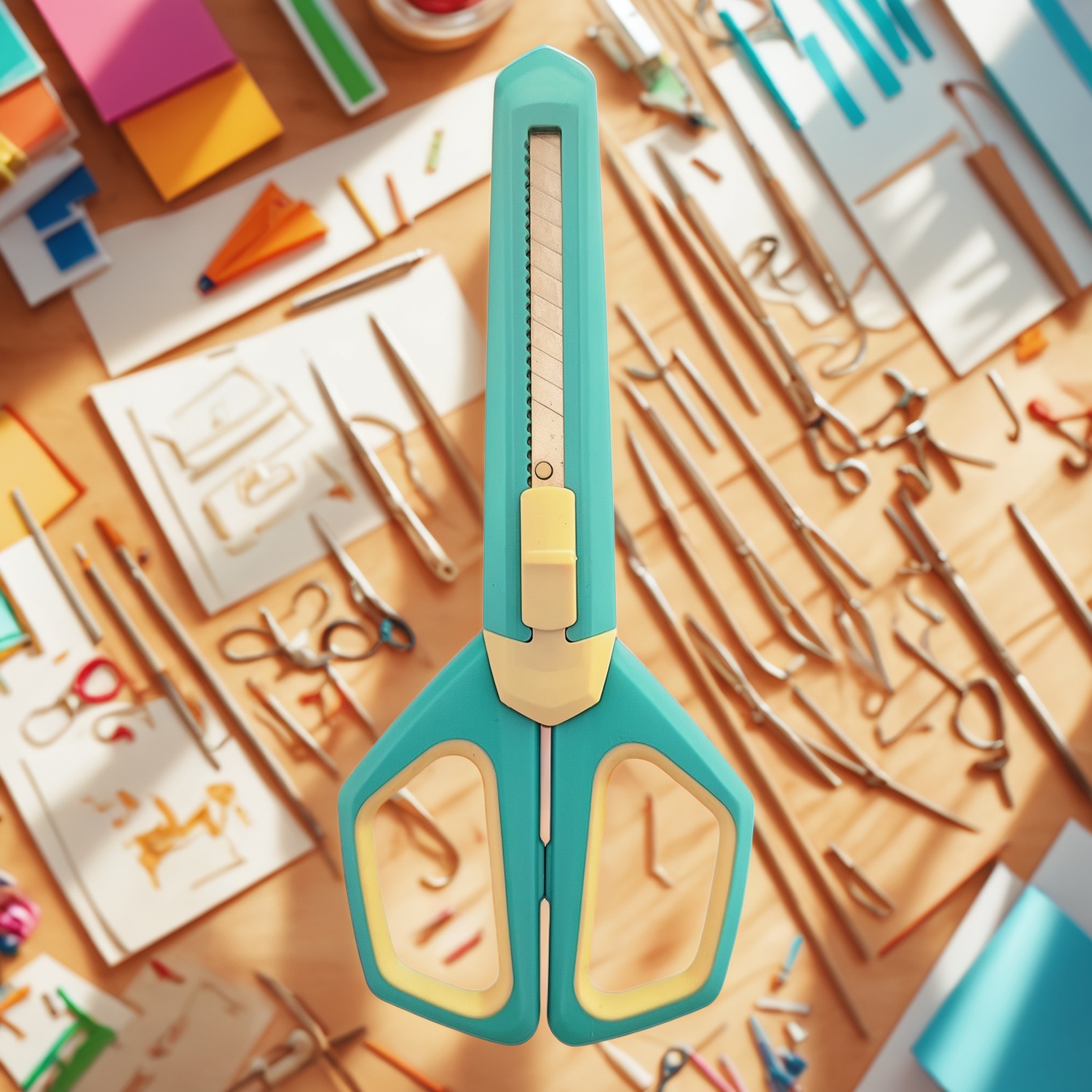
Stationery Scissors and Cutter: Practical Guide for Office and Home Use
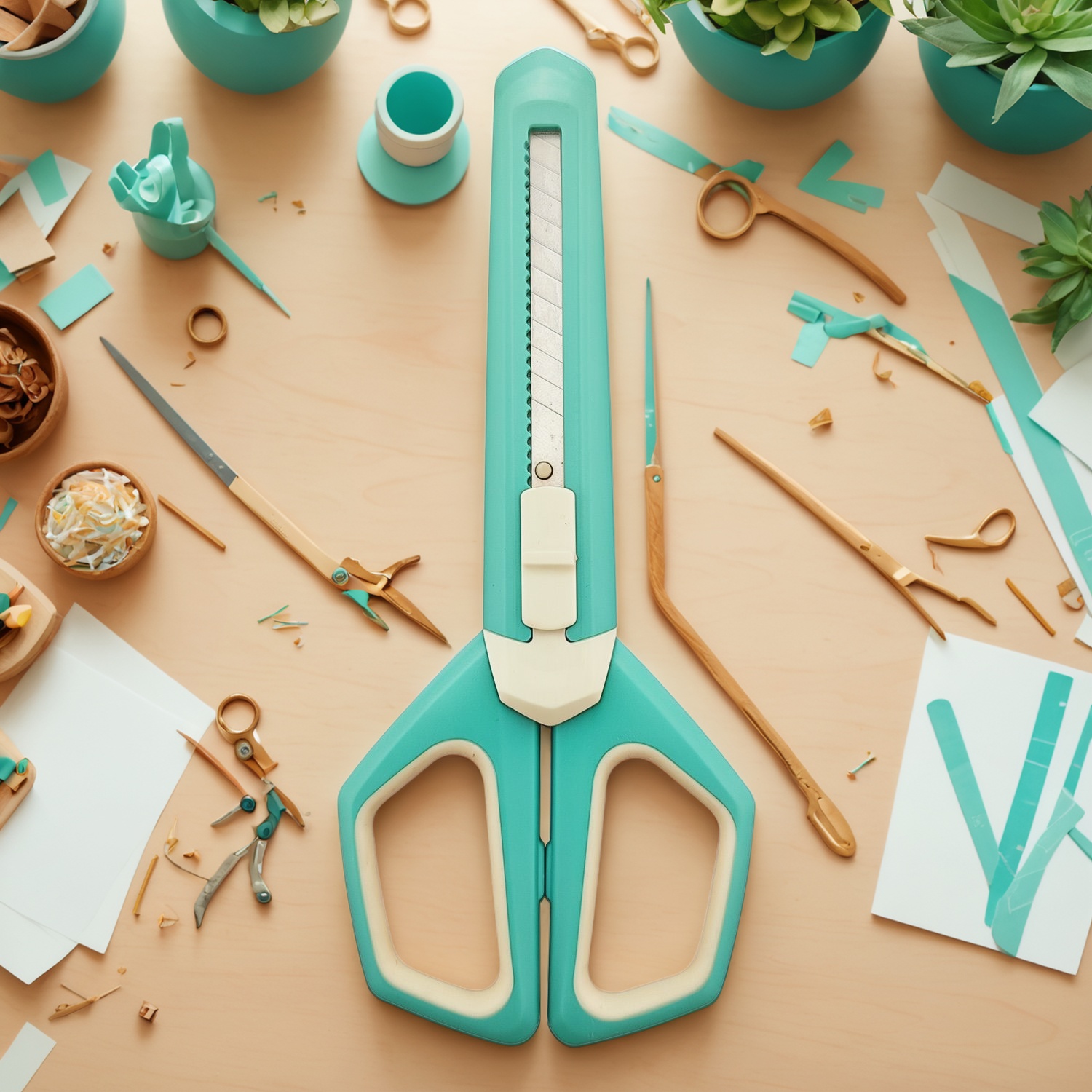
Stationery scissors are one of the most frequently used tools in an office drawer, school kit, craft box, or home workspace. They are expected to cut paper cleanly, open packaging safely, trim labels, support small repairs, and handle daily organizational tasks without becoming uncomfortable or difficult to control. The Ultimate All-in-One Scissor and Cutter described in the original product article combines a pair of stationery scissors with a retractable blade, ergonomic handles, a secure lock mechanism, and a teal and white finish. That makes it a useful example of how multifunctional cutting tools can reduce desk clutter while still supporting a wide range of routine jobs.
This guide explains how to evaluate this type of scissor and cutter tool, where it is most useful, what to check before purchase, and how to care for it so it remains safe and practical for everyday use.
Key Takeaways
- A multifunctional stationery scissor with a retractable blade can replace two separate tools for many light office and home tasks.
- Ergonomic handles matter if the tool will be used for repeated cutting, craft work, or packaging preparation.
- A secure lock mechanism is important because the cutter blade should not extend accidentally during storage or handling.
- Buyers should match the tool to the material being cut rather than assuming one scissor can handle every heavy-duty job.
- For team or workplace purchasing, ask the supplier clear questions about materials, blade replacement, packaging, and quality checks.
What Makes Multifunctional Stationery Scissors Useful?
Traditional office scissors are simple and familiar, but they are not always the best tool for every task. Scissors work well for paper, thin card, labels, envelopes, and light craft materials. A cutter blade, however, can be more convenient for opening cartons, slicing tape, trimming packaging film, or making a straight cut along an edge. A combined scissor and cutter tool is designed for users who regularly switch between these tasks.
The original product description highlights a retractable blade integrated into the scissors. This feature can reduce the number of loose tools on a desk and may help prevent the common problem of searching for a knife when opening parcels. The secure lock mechanism is also important because any cutter feature should remain controlled when not in use.
Best Uses in Offices, Schools, and Home Workspaces
In an office environment, stationery scissors are often used for document preparation, mailroom tasks, packaging samples, desk organization, and simple presentation work. A compact tool that includes both scissors and a cutter can be helpful for employees who open shipments, prepare displays, or trim printed materials throughout the day.
For home use, scissors are needed for gift wrapping, food packaging, delivery boxes, labels, coupons, children’s projects, and minor repairs. The cutter function can be especially useful for tape, thin cardboard, and sealed parcels. For craft users, the ergonomic handle mentioned in the original article may help during repeated cuts, although the user should still take breaks when working for long periods.
It is also worth setting realistic expectations. A stationery scissor and cutter is not the same as a heavy industrial knife, tailor’s shears, pruning shears, or metal-cutting tool. It should be selected for daily light to medium household and office tasks unless the supplier confirms otherwise.
Feature Checklist Before You Buy
When comparing stationery scissors for home use or office supply purchasing, focus on features that affect safety, comfort, and daily performance. The table below can be used as a practical checklist.
| Feature to Check | Why It Matters | Questions to Ask |
|---|---|---|
| Ergonomic handle | Improves comfort during repeated cutting and helps with control. | Is the handle suitable for right-handed, left-handed, or general use? |
| Retractable blade | Adds utility knife functionality for tape, packaging, and straight cuts. | How does the blade retract, and is it easy to operate safely? |
| Secure lock mechanism | Helps prevent accidental blade movement during storage or transport. | Can the lock be tested before bulk purchase? |
| Blade and scissor sharpness | Affects cutting accuracy and reduces tearing or extra force. | What materials are recommended for cutting? |
| Compact storage | Reduces drawer clutter and makes the tool easier to keep nearby. | Does the product include any sleeve, cover, or storage guidance? |
| Finish and color | Can help identify the tool in a shared workspace. | Are color options available, or only teal and white? |
How to Use the Scissor and Cutter Safely
Because this type of product combines two cutting methods, users should treat it with more care than standard scissors. Before cutting, check whether the scissor blades or the retractable blade are better suited to the job. Use the scissors for flexible materials such as paper, envelopes, and light card. Use the cutter only when a controlled slicing motion is safer and cleaner, such as opening packing tape on a box.
- Place the material on a stable surface before cutting.
- Keep fingers away from the cutting path, especially when using the retractable blade.
- Retract and lock the cutter blade immediately after use.
- Do not force the tool through materials that feel too thick or hard.
- Store it in a drawer, organizer, or tool area where children cannot access it unsupervised.
For shared offices, it may be useful to add a simple label or storage location so the tool does not get misplaced. In schools or craft rooms, supervision and age-appropriate use are essential.
Care and Maintenance Tips
Good care helps stationery scissors stay reliable. After cutting tape or adhesive labels, wipe the blades with a dry or slightly damp cloth to remove residue. Sticky buildup can make the scissors drag, create uneven cuts, or require extra hand pressure. If the tool becomes wet, dry it before storage to reduce the chance of surface damage.
Avoid using the scissors on materials they were not designed for, such as wire, thick plastic, metal sheet, or very dense cardboard. These can dull the cutting edges or damage the alignment. If the cutter blade becomes dull and the product allows blade replacement, follow the supplier’s instructions. If replacement is not supported, ask the supplier how the blade should be maintained or when the tool should be replaced.
Buying Guidance for Office and Wholesale Purchasers
For individual home use, one good multifunctional tool may be enough. For offices, retailers, promotional buyers, or wholesale sourcing teams, evaluation should be more structured. The original article mentions comfort, a retractable blade, a secure lock, and a compact design, but it does not provide commercial details such as material grade, MOQ, packaging, certifications, or test results. Buyers should ask for these directly rather than assuming them.
Useful supplier questions include: What materials are used for the blades and handles? Is the retractable cutter blade replaceable? What packaging options are available for retail or office supply distribution? Are samples available for checking handle comfort and lock reliability? What quality inspection steps are used before shipment? Are there instructions or warnings included with the product? Can the supplier support barcode labels, neutral packaging, or OEM branding if required?
For B2B purchasing, a small sample review can prevent problems later. Test the scissors with the actual materials your team handles most often: printer paper, envelopes, packing tape, thin cardboard, labels, and craft sheets. Ask several users to comment on comfort, grip, lock operation, and storage convenience before placing a larger order.
FAQ
Can these stationery scissors replace a utility knife?
They may replace a separate utility knife for many light packaging and office tasks because the design includes a retractable blade. For heavy-duty cutting, confirm the recommended materials with the supplier.
Are they suitable as scissors for home use?
Yes, they are suitable for many home tasks such as opening parcels, trimming paper, gift wrapping, and small craft jobs. They should still be stored safely because of the cutter function.
What makes them different from a standard office scissors set?
The main difference is the all-in-one design. Instead of only scissor blades, this tool also includes a retractable blade and lock mechanism, which can reduce the need for multiple tools.
How should I clean adhesive from the blades?
Wipe residue after use with a soft cloth. For stubborn adhesive, use a suitable mild cleaner according to the supplier’s care guidance, then dry the tool before storage.
What should B2B buyers verify before ordering?
Ask about materials, blade replacement, safety instructions, packaging, sample availability, quality checks, lead time, MOQ, and whether OEM or wholesale requirements can be supported.
