




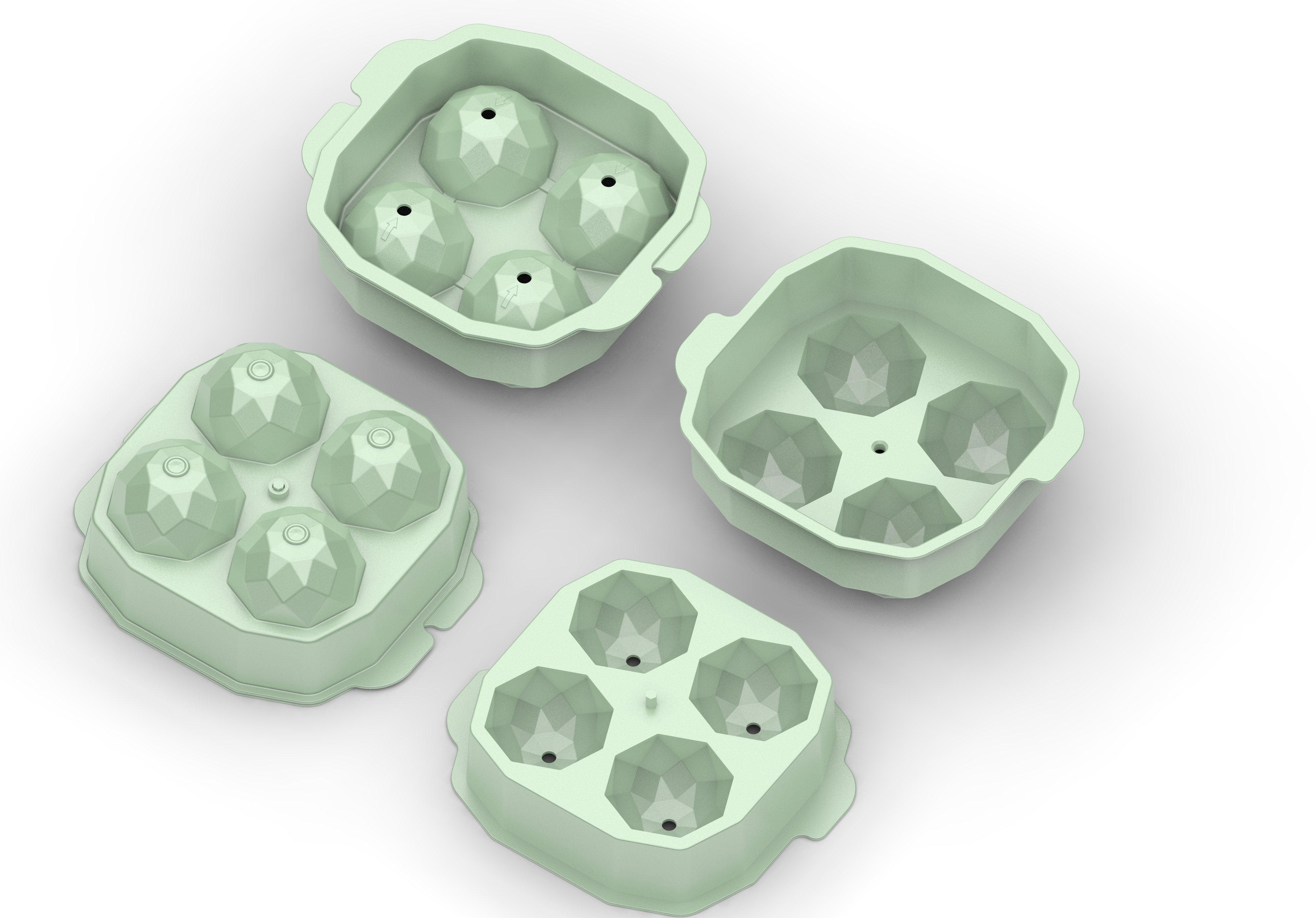
Custom Silicone Ice Trays: Sourcing and Selection Guide
Custom silicone ice trays are used far beyond the home freezer. Bars, hotels, beverage brands, event planners, gift companies, and retailers use them to create ice in distinctive shapes, control presentation, and support branded drink experiences. Compared with traditional rigid molds, silicone trays are valued for flexibility, easy release, and the ability to support creative shapes such as cubes, spheres, themed forms, or geometric designs.
For B2B buyers, the main question is not simply whether a tray looks attractive. A good sourcing decision should consider material documentation, mold accuracy, lid design, packaging, cleaning guidance, production consistency, and whether the supplier can support the level of customization required. This guide explains how to evaluate custom silicone ice trays and what to ask before placing a wholesale or OEM order.
Key Takeaways
- Custom silicone ice trays are useful for branded beverages, hospitality service, retail assortments, promotional gifts, and home entertaining products.
- Buyers should verify material details, customization limits, packaging options, lead times, and quality control procedures directly with the supplier.
- Shape, cavity size, lid fit, stackability, and ice release performance all affect the user experience.
- Do not rely on appearance alone; request samples before approving a bulk or OEM order.
Why Custom Silicone Ice Trays Are Popular
The appeal of custom silicone ice trays comes from their combination of practical use and visual impact. Silicone can be formed into many cavity shapes, allowing buyers to develop trays for square cubes, round ice balls, hexagonal forms, themed designs, or logo-inspired shapes. Large ice pieces may melt more slowly than small cubes because they expose less surface area relative to volume, which is why many cocktail programs prefer larger cubes or spheres.
Customization can also help businesses create a memorable service detail. A hotel bar may want a tray that produces a signature ice shape. A beverage brand may use a custom tray as a gift-with-purchase item. A retailer may develop seasonal designs for summer drinks, parties, or holiday entertaining. However, detailed shapes can be harder to fill, freeze, or release, so design should balance appearance with everyday usability.
Common B2B Use Cases
Before contacting a silicone ice tray manufacturer or supplier, define the commercial purpose of the product. The best tray for a cocktail bar may not be the best tray for a promotional giveaway or retail kitchenware line.
- Hospitality: Bars, restaurants, and hotels often prioritize consistent ice shape, easy release, stackable storage, and lids that help protect ice in shared freezer spaces.
- Retail: Retail buyers need attractive packaging, clear use instructions, reliable shelf presentation, and designs that are easy for consumers to understand.
- Brand promotion: Promotional trays may require logo cavities, custom colors, or gift packaging. Buyers should confirm what level of detail can be molded clearly.
- Events and gifting: Event planners may prefer themed trays for weddings, corporate events, or seasonal beverage programs.
- Home entertaining: Consumer-facing assortments often focus on flexible release, easy cleaning, and fun shapes for cocktails, iced tea, coffee, fruit infusions, or herb cubes.
How to Compare Silicone Ice Tray Options
The table below can help buyers compare possible specifications when discussing a project with a silicone ice cube trays supplier. These are not fixed product claims; they are practical points to confirm during sourcing.
| Selection Point | Why It Matters | Questions to Ask the Supplier |
|---|---|---|
| Material information | Buyers need confidence that the tray is suitable for intended food-contact use. | What material documentation can be provided? Are there applicable test reports for the target market? |
| Cavity shape and size | Shape affects freezing time, release, drink fit, and melting behavior. | Can you provide drawings, sample dimensions, and photos of finished ice? |
| Customization | Logos, themed cavities, and colors may require tooling or design changes. | What is the minimum detail size for a logo? Is custom tooling required? |
| Lid design | Lids can support stacking and help reduce freezer odor exposure. | Is the lid flexible or rigid? How securely does it fit after filling? |
| Ease of release | Poor release can damage detailed ice shapes and frustrate users. | Can samples be tested after full freezing? Are there use instructions? |
| Packaging | Retail and gift channels need clear, protective, and brand-appropriate packaging. | What packaging formats are available? Can instructions and barcodes be added? |
| Bulk supply | Wholesale buyers need consistency across orders. | What are the MOQ, lead time, inspection process, and reorder terms? |
Design Details That Affect User Experience
A custom ice tray should be easy to use from filling to serving. Deep cavities may create impressive ice but can be harder to fill without spilling. Very detailed molds may look good in a rendering but lose definition if the ice cracks or traps air. Thin connecting walls may make the tray flexible, but they can also affect stability when moving a filled tray into the freezer.
For beverage service, consider the glassware. A large sphere or hexagonal ice piece needs to fit the intended rocks glass, tumbler, or pitcher. If the tray is for retail customers, the packaging should show the approximate ice size and recommend suitable uses. For infused ice, such as fruit, herbs, coffee, or tea cubes, the cavity should be large enough to hold ingredients while still releasing cleanly.
Supplier and Manufacturer Questions to Ask
When a topic involves OEM or wholesale sourcing, documentation and communication are as important as design. A reliable silicone ice tray supplier should be able to explain what is standard, what is customizable, and what requires new tooling. Avoid assuming that every color, logo, lid, or package can be produced at the same cost or timeline.
- What customization options are available for shape, cavity count, color, logo, lid, and packaging?
- Can the supplier provide pre-production samples before mass production?
- What are the MOQ, sample cost, tooling cost, production lead time, and payment terms?
- What material and food-contact documentation can be provided for the destination market?
- How are defects defined and inspected before shipment?
- Can the supplier support carton labeling, retail packaging, or instruction inserts?
- How should the trays be cleaned, stored, and used to avoid damage or odor retention?
Sample Testing Before Bulk Orders
Samples should be tested in real conditions, not only reviewed on a desk. Fill the tray to the recommended level, place it in a freezer, stack it if the design includes a lid, and release the ice after full freezing. Check whether the tray bends too much when carried, whether the lid stays in place, and whether the ice shape is clear enough for the intended use.
For hospitality buyers, ask bartenders or service staff to test the tray during normal workflow. For retail buyers, review whether a first-time consumer would understand how to fill, freeze, release, and clean the product. For promotional buyers, confirm that the logo or shape is recognizable after freezing, not only in the mold cavity.
Use and Care Guidance for End Users
Clear user instructions reduce complaints and improve product satisfaction. General guidance may include washing the tray before first use, placing it on a flat surface while filling, leaving room for water expansion, and allowing the tray to sit briefly at room temperature before releasing complex shapes. If a lid is included, users should understand whether it is meant for stacking, odor protection, spill reduction, or all of these purposes.
Silicone can sometimes hold odors if stored near strong-smelling foods, so users should keep trays clean and dry between uses. For infused cubes with fruit, herbs, coffee, or juice, recommend prompt cleaning after use. Buyers should ask the supplier for specific cleaning instructions suitable for the exact product design.
FAQ
Are custom silicone ice trays suitable for wholesale programs?
Yes, they can be suitable for wholesale, retail, hospitality, and promotional programs. Buyers should confirm MOQ, packaging, quality inspection, and documentation with the supplier.
Can a logo be molded into the ice?
Often, logo-style cavities are possible, but the result depends on logo complexity, cavity depth, and freezing conditions. Request a sample and test the finished ice before approval.
Do larger ice cubes always melt slowly?
Larger ice pieces generally melt more slowly than small pieces because of lower surface area relative to volume, but drink temperature, glass type, and room conditions also matter.
What should buyers check before placing an OEM order?
Check sample quality, material documentation, tooling requirements, packaging artwork, lead time, inspection standards, and shipping carton details.
Is a lid necessary?
A lid is not always necessary, but it can help with stacking and reduce exposure to freezer odors. Buyers should test lid fit when the tray is filled and frozen.
