




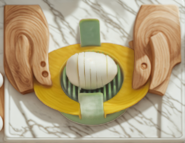
Best Tool for Cutting Eggs: Egg Cutter and Egg Slicer Guide
Cutting a hard-boiled egg sounds simple until presentation matters. A kitchen knife can crush the yolk, drag crumbs across the white, or leave slices with different thicknesses. For home cooks, cafes, salad bars, and meal-prep kitchens, a dedicated egg cutter or egg slicer tool can make the job faster and more consistent.
The original idea behind tools sometimes referred to internationally as a 彩蛋刀 or 鸡蛋切片机工具 is straightforward: hold the cooked egg in place and press it through a set of wires or blades. In one motion, the egg becomes even slices, wedges, or diced pieces, depending on the design. This guide explains when an egg slicer is useful, how to compare common styles, and how to use and clean one without damaging the tool.
Key Takeaways
- An egg cutter is most useful for hard-boiled eggs that need neat, repeatable shapes.
- Wire-style and blade-style slicers can both work well, but the best choice depends on the food texture and cut type.
- Look for stable support, comfortable pressing action, and easy cleaning before choosing a model.
- Many egg slicers can also handle soft foods such as mushrooms, strawberries, or soft cheese, but results depend on the tool and the food firmness.
Why Cutting Eggs Evenly Can Be Difficult
Hard-boiled eggs are delicate. The white is smooth and springy, while the yolk is soft and crumbly. When a knife is dull or the egg is not fully cooled, the pressure can flatten the egg instead of cutting cleanly. Even a sharp knife requires a steady hand to produce matching slices.
Uniform cutting matters for more than appearance. In a salad, even pieces distribute better through the bowl. In a sandwich, flat slices stack more neatly and reduce slipping. For garnishes, consistent shapes create a cleaner plate. A dedicated egg slicer reduces the need for knife skill and helps make repeated prep more predictable.
What Is an Egg Cutter or Egg Slicer Tool?
An egg cutter is a small kitchen gadget designed to portion cooked eggs quickly. The typical design includes a shallow base that holds the egg and a hinged top fitted with taut wires or cutting blades. When the top is pressed down, the cutting elements pass through the egg and create equal pieces.
Some versions focus on straight slices, while others are made for wedges or diced cuts. A simple slicer is enough for toast, sandwiches, and layered salads. A wedge cutter may be better for lunch plates or garnish trays. A dicing option is helpful when preparing egg salad, potato salad, or toppings where smaller pieces are preferred.
Comparison: Choosing the Right Egg Cutting Tool
| Tool type | Best for | Strengths | Questions to check before buying |
|---|---|---|---|
| Wire egg slicer | Hard-boiled egg slices and some soft foods | Creates thin, even slices with a simple pressing motion | Are the wires taut, aligned, and easy to rinse after use? |
| Blade egg cutter | Egg wedges or chunkier cuts | Can feel more direct when cutting larger sections | Are the blades protected during storage and easy to clean safely? |
| Multi-cut egg slicer | Slices, wedges, or dice from one tool | More flexible for salads, sandwiches, and garnishes | Does the hinge feel stable through all cutting positions? |
| Basic knife | Occasional use and irregular cuts | No extra tool required | Is consistency important enough to justify a slicer? |
How to Use an Egg Slicer for Better Results
For best results, start with a properly cooked hard-boiled egg. Let it cool before slicing; warm eggs are more likely to tear or crumble. Peel the shell fully and remove small shell fragments that could interfere with the wires or blades.
- Place the egg lengthwise in the base if you want long oval slices.
- Place it crosswise if you want smaller round slices.
- Lower the hinged cutter in one smooth motion instead of forcing it suddenly.
- Lift the top and remove the slices carefully with a fork or spoon.
- For diced egg, rotate the sliced egg and press again only if the tool design supports this use.
Avoid using an egg slicer on very hard foods. The wires or blades are usually designed for soft ingredients, not raw carrots, frozen foods, or tough cheese. Forcing the tool beyond its intended use can bend wires, misalign the hinge, or shorten the product life.
Beyond Eggs: Other Soft Foods to Try
One reason egg slicers remain popular is their versatility. Many designs can slice other soft foods with minimal effort. Mushrooms can be cut into even pieces for stir-fries or omelets. Strawberries can be sliced for desserts, yogurt bowls, or fruit plates. Some soft cheeses may also be portioned for platters, provided they are not too sticky or firm.
Texture is the key. If the food compresses easily but still holds its shape, the slicer is more likely to work. If it is fibrous, slippery, or dense, a knife may be the better tool. When trying a new ingredient, press gently and stop if you feel too much resistance.
Selection Tips for Home and Food-Prep Use
When choosing an egg cutter, focus on handling and cleaning rather than appearance alone. A stable base helps keep the egg centered. A smooth hinge reduces uneven pressure. If the tool uses wires, they should appear evenly spaced and firmly held. If it uses blades, consider how safely they can be washed and stored.
For frequent use, ask practical questions before purchase: Is the handle comfortable for repeated pressing? Can food particles be removed from the hinge area? Does the tool sit flat on the work surface? Is it suitable for the cut shape you use most often? If buying for a cafe, catering station, or institutional kitchen, also ask the supplier about available product specifications, cleaning instructions, replacement policy, and packaging details instead of assuming they are standard.
Cleaning and Care Tips
Egg residue can dry quickly on wires and hinges, so clean the slicer soon after use. Rinse it under running water to remove yolk and white before they harden. Use a soft brush around the cutting elements and hinge if needed. If the supplier provides dishwasher guidance, follow that instruction; otherwise, hand washing is the safer default for many small kitchen gadgets.
Dry the tool before storage, especially around metal wires or blades. Store it where the cutting elements will not be bent by heavier utensils. A little care helps keep the tool aligned, which is essential for consistent slices.
Practical FAQ
Can an egg slicer cut raw eggs?
No. Egg slicers are intended for peeled hard-boiled eggs. Raw eggs do not hold their shape and should not be placed in this type of tool.
Why does my egg crumble when I slice it?
The egg may be overcooked, too warm, or pressed too quickly. Cool the egg first, peel it cleanly, and lower the cutter in a smooth motion.
Can I use an egg slicer for mushrooms and strawberries?
Often, yes. Many egg slicers can handle soft foods such as mushrooms and strawberries. Use gentle pressure and avoid pieces that are too large or firm for the tool.
Which is better: wires or blades?
Neither is always better. Wires are common for thin, even slices, while blades may be used for wedges or chunkier cuts. Choose based on the shapes you prepare most often.
What should bulk buyers ask a supplier?
Ask for exact materials, dimensions, cleaning guidance, packaging options, sample availability, and any relevant test or compliance documents. Do not assume these details unless the supplier provides them in writing.
Final Thoughts
An egg cutter is a simple tool, but it solves a real kitchen problem: turning delicate hard-boiled eggs into neat, even pieces with less effort. Whether you prepare egg salad, sandwich fillings, garnish trays, or breakfast plates, the right slicer can save time and improve consistency. Choose a design that matches your preferred cut, use it only on suitable soft foods, and clean it promptly after each use.
