




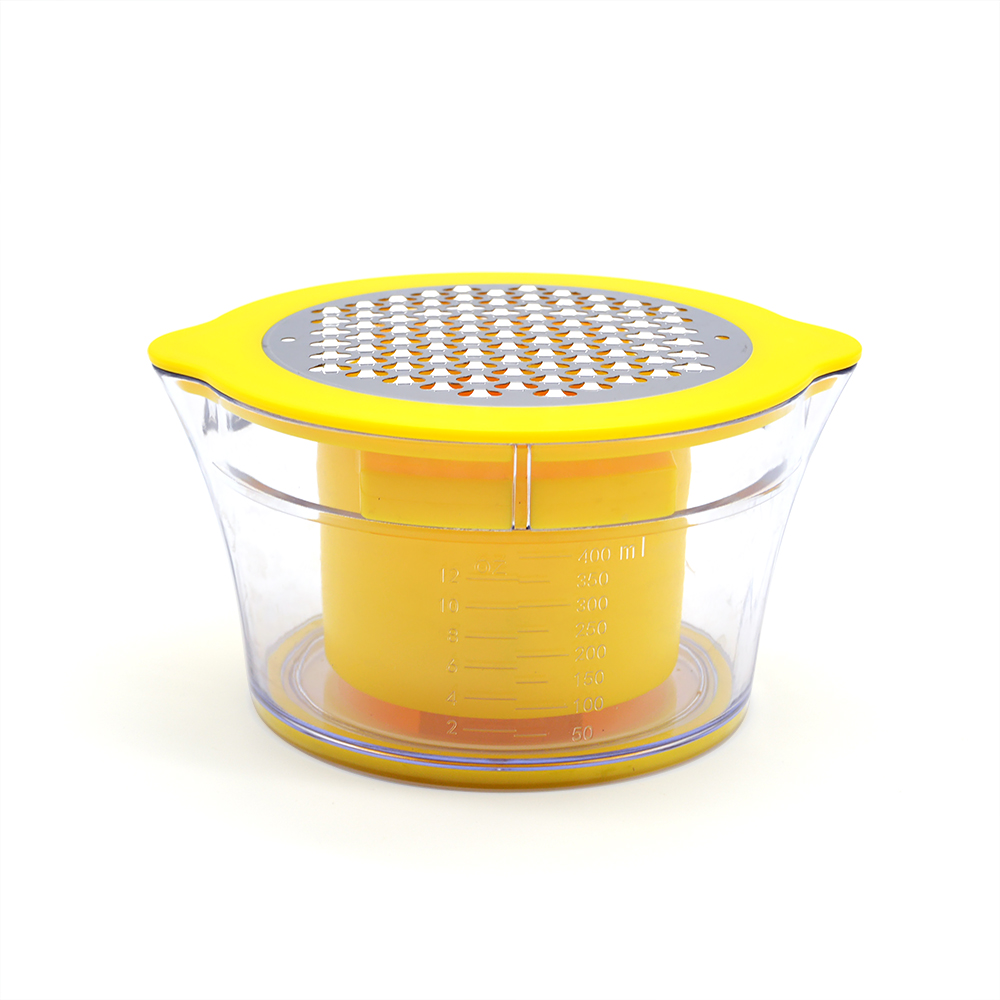
Corn Threshing Boat: Practical Farm Sourcing Guide
A corn threshing boat is a supporting container or vessel used in the corn threshing process, helping farmers manage the separation and collection of kernels after they are removed from the cob. In practical farm operations, threshing equipment matters because it can reduce manual labor, speed up post-harvest handling, and make large batches of corn easier to process. For farms, cooperatives, agricultural retailers, and wholesale buyers, the key question is not simply whether a corn threshing boat is available. The better question is whether the equipment fits the intended crop volume, workflow, operator skill level, cleaning routine, and sourcing requirements.
The original purpose of corn threshing equipment is straightforward: separate grain from the cob effectively. However, the buying decision can become complicated when comparing suppliers, equipment formats, and commercial terms. This guide explains how to evaluate a corn threshing boat from a B2B sourcing perspective without relying on unsupported performance claims.
What Is a Corn Threshing Boat?
In agricultural use, a corn threshing boat generally refers to the receiving or working vessel associated with corn threshing. It supports the handling of corn during or after kernel separation. Depending on the system, it may be part of a larger corn thresher setup or used alongside threshing machinery to keep material organized and reduce unnecessary manual movement.
The function is simple but important. Corn is processed so that kernels are separated from the cob. A suitable vessel helps collect, guide, or contain the material during this step. When the setup is planned well, operators can work faster and keep the threshing area cleaner and more orderly.
Why Farms Use Threshing Equipment
Manual corn shelling is labor-intensive, especially when harvest volumes increase. Corn threshing equipment can help farms process larger quantities with less repetitive hand work. It may also make harvest management more predictable because teams can plan labor, collection, storage, and transport around a more efficient post-harvest process.
Useful benefits may include:
- Faster separation of corn kernels from cobs compared with manual work.
- Reduced physical strain on farm workers during peak harvest periods.
- More organized collection of kernels for drying, storage, or transport.
- Improved workflow when processing large volumes of corn.
- Cleaner operation when the vessel and threshing process are well matched.
These benefits depend on the complete system, operator practices, crop condition, and equipment quality. Buyers should ask suppliers for realistic use guidance rather than accepting broad claims without supporting details.
Comparison Checklist for Buyers
Before sourcing a corn threshing boat or related threshing equipment, compare options using practical operating criteria. The table below can help procurement teams and farm managers structure supplier discussions.
| Selection factor | Why it matters | Questions to ask a supplier |
|---|---|---|
| Intended crop volume | The vessel and equipment should match daily or seasonal processing needs. | What corn volume is this product designed to support, and under what conditions? |
| Compatibility | A threshing boat may need to work with a specific machine or workflow. | Is it designed for a particular corn thresher, or can it be used with different setups? |
| Material and construction | Durability, cleaning, and handling depend on construction details. | What materials are used, and how should the product be cleaned and maintained? |
| Ease of operation | Simple handling reduces training time and operator errors. | What steps should operators follow for safe and efficient use? |
| Maintenance needs | Maintenance affects downtime during harvest season. | Which parts require inspection, cleaning, adjustment, or replacement? |
| Commercial terms | B2B buyers need clarity before placing wholesale or OEM orders. | What are the MOQ, lead time, packaging options, spare parts policy, and after-sales process? |
How to Evaluate a Supplier or Factory
For wholesale buyers, distributors, and farm equipment resellers, supplier evaluation should be as important as the product itself. A reliable conversation with a manufacturer or trading supplier should cover specifications, order terms, packaging, quality control, and after-sales support. If details are missing, ask for written confirmation before committing to a purchase.
Useful sourcing questions include:
- Can the supplier provide a clear product description, drawings, photos, or operating instructions?
- What materials and finishes are used, and are they suitable for the buyer’s intended agricultural environment?
- Is the product sold alone, as part of a corn thresher, or as an accessory to another system?
- What packaging is used for bulk shipment, and how is damage during transport reduced?
- Are spare parts or replacement components available if the product is part of a machine system?
- What inspection steps are performed before shipment?
- Can the supplier support OEM labeling or customized packaging, and what information is required?
Do not assume capacity, certifications, test results, or compliance status unless the supplier provides documentation. For regulated markets, buyers should confirm import requirements and safety obligations with qualified professionals or local authorities.
Use and Workflow Considerations
Even well-selected threshing equipment can perform poorly if the farm workflow is not planned. Corn condition, operator technique, collection method, and cleaning routine all influence results. Farms should consider where the corn arrives from the field, where kernels will be collected, how cobs and residue will be removed, and how the work area will be kept clear.
A practical workflow may include sorting or preparing corn before threshing, feeding it consistently, collecting kernels in a controlled area, separating waste material, and moving processed kernels to drying or storage. The corn threshing boat should support this movement rather than create bottlenecks.
Maintenance and Cleaning Guidance
Cleaning is essential because crop residue, dust, and moisture can affect performance and storage life. Buyers should ask the supplier for product-specific cleaning instructions. If the corn threshing boat is used with mechanical equipment, operators should also follow the machine manufacturer’s maintenance guidance.
General good practice includes inspecting the vessel before use, removing leftover kernels and husks after each session, keeping the product dry before storage, and checking for wear, cracks, loose parts, or sharp edges. If a component appears damaged, it should be reviewed before continued use. Farms with multiple operators should keep instructions visible and train staff on proper handling.
Key Takeaways
- A corn threshing boat supports the separation and collection process in corn post-harvest handling.
- The main value is practical efficiency: less manual labor, faster handling, and cleaner workflow.
- B2B buyers should verify compatibility, materials, maintenance needs, packaging, MOQ, lead time, and after-sales support.
- Do not rely on unsupported claims about capacity, certification, or performance; request documentation from the supplier.
Practical FAQ
Is a corn threshing boat the same as a corn thresher?
Not necessarily. A corn thresher is the machine or tool that separates kernels from cobs. A corn threshing boat is best understood as a supporting vessel or container used in the threshing process. Buyers should ask the supplier exactly what is included.
Can it process other grains?
The original concept relates to separating grain from corn cobs, and some threshing equipment may be used for other crops. However, suitability depends on the design. Confirm crop compatibility with the supplier before ordering.
What details should wholesale buyers confirm first?
Confirm the product scope, dimensions if available, material, compatible equipment, packaging, minimum order quantity, lead time, inspection process, and whether spare parts or after-sales support are available.
How can farms improve threshing efficiency?
Plan the work area, feed corn consistently, keep collection containers organized, remove residue regularly, and clean the equipment after use. Efficiency depends on both the product and the operating method.
Should buyers request samples?
For a new supplier or customized order, a sample or small trial order can reduce sourcing risk. Buyers should clarify sample cost, shipping method, evaluation criteria, and whether sample approval will be used for future bulk orders.
