




Vegetable Slicer Set: Practical Prep Guide for Everyday Kitchens
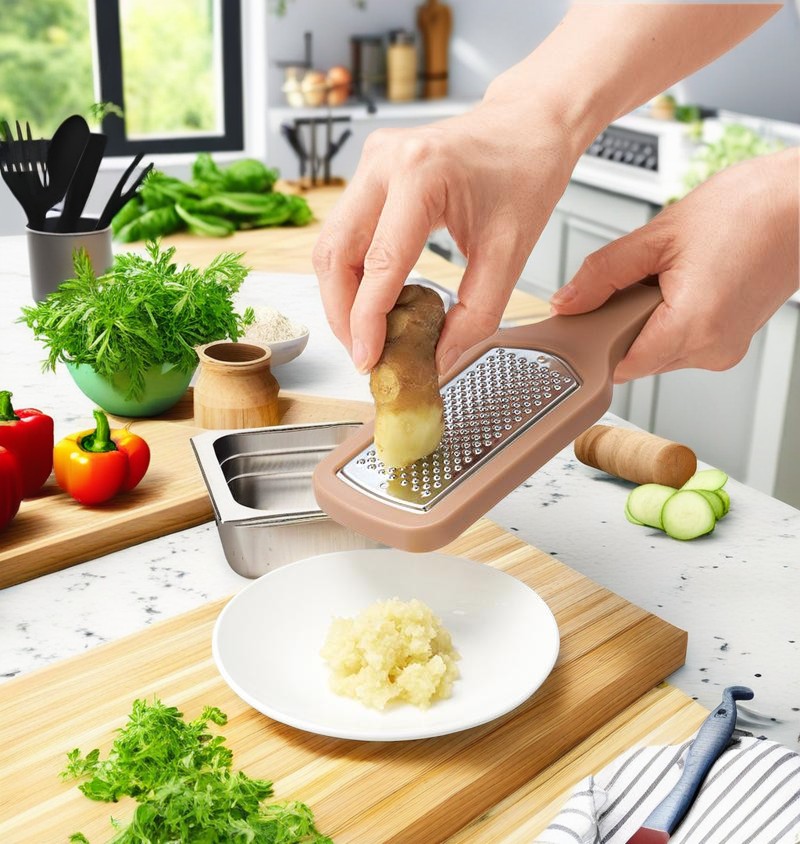
A vegetable slicer set is a simple kitchen tool, but it can change how efficiently you prepare salads, garnishes, snacks, stir-fry ingredients, and fresh toppings. Unlike bulky equipment, a compact handheld slicer or grater can stay within easy reach and handle small daily tasks without complicated setup. The original product shown features a soft green handle, stainless steel blade, and a lightweight, compact form intended for slicing vegetables with control.
This guide explains how to select and use a vegetable slicer set for real kitchen work. It focuses on practical performance: consistent cuts, comfortable handling, safe cleaning, and choosing the right blade for slicing, shredding, or zesting.
Key Takeaways
- A handheld vegetable slicer is best for quick prep, small batches, and ingredients that need consistent thin cuts.
- A 3-in-1 slicer, shredder, and zester set can reduce the number of separate prep tools in a drawer.
- Stainless steel blades are useful for sharpness and cleaning, but buyers should confirm the exact material grade and care instructions with the supplier.
- Comfortable handles, stable grip, and easy storage matter as much as blade sharpness.
- Safe use depends on controlled pressure, proper ingredient size, and careful cleaning after every use.
What a Vegetable Slicer Set Is Used For
A vegetable slicer set usually includes handheld tools designed for specific cutting tasks. The source article describes a set with slicing, shredding, and zesting functions, with green, yellow, and lime-colored ergonomic handles. In everyday use, this kind of set can support a range of recipes without requiring a countertop machine.
The slicer is suitable for preparing thin pieces of cucumber, carrot, zucchini, radish, or similar vegetables. A shredder can turn firm vegetables into strips for slaws, fritters, dumpling fillings, sandwich toppings, or quick sautés. A zester can create fine citrus zest for dressings, marinades, baking, or finishing dishes. The benefit is not only speed; it is the ability to make repeatable cuts so ingredients cook or mix more evenly.
How to Choose the Right Slicer, Shredder, or Zester
Before buying a vegetable slicer set, consider how you actually cook. A household that prepares raw salads may prioritize thin, even slicing. Someone who cooks vegetable pancakes or stir-fries may need a better shredder. Bakers and sauce makers may use a zester more often than expected.
| Tool type | Best for | What to check before buying |
|---|---|---|
| Vegetable slicer | Cucumber, carrot, zucchini, garnish slices | Blade sharpness, grip comfort, cut thickness suitability |
| Vegetable shredder | Carrot strips, cabbage mix-ins, slaw ingredients | Hole size, ease of cleaning, stability during use |
| Zester or fine grater | Lemon zest, chocolate, hard cheese in small amounts | Fine blade pattern, handle angle, residue removal |
| 3-in-1 set | Mixed daily prep with limited drawer space | Whether each tool has a distinct purpose and safe storage |
If you are sourcing for retail, hospitality, or promotional kitchenware, ask the supplier for details that are not visible from photos: blade material grade, handle material, packaging options, cleaning guidance, spare parts policy, and any applicable compliance documentation for your target market. Do not assume all stainless steel blades or plastic handles are the same.
Ergonomics and Handling: Why the Grip Matters
The original article highlights ergonomic handles, and this is important. A slicer can have a sharp blade, but if the handle is uncomfortable or slippery, the user will not feel in control. Look for a handle shape that allows a natural wrist position and enough surface area for a firm grip. Color can also help identify tools quickly in a drawer, especially when a set includes different blades.
For best handling, use steady movements rather than forcing the ingredient through the blade. Trim vegetables into manageable lengths. If an ingredient is too small to hold safely, stop before your fingers approach the cutting surface. Some slicers are compatible with food holders or guards, but if one is not included, extra care is necessary.
Using a Vegetable Slicer Set Safely
Sharp blades are useful because they require less pressure, but they also demand attention. A compact slicer should be treated with the same care as a kitchen knife. Work on a stable surface, keep the blade facing away from your body when possible, and avoid distractions during slicing.
- Wash and dry vegetables before cutting so the surface is less slippery.
- Cut long vegetables into sections that are easy to control.
- Hold the handle firmly and move the ingredient in smooth, even strokes.
- Use light pressure first; increase only if the blade and vegetable require it.
- Stop slicing when the remaining piece becomes too small to hold safely.
- Rinse the blade soon after use to prevent food from drying into the cutting edges.
For children or inexperienced cooks, supervision is recommended. A handheld slicer may look simple, but the blade edge can cut quickly.
Cleaning and Storage Tips
Easy cleaning is one reason many people prefer a handheld vegetable slicer over larger equipment. However, cleaning should be done carefully. Rinse from the back side of the blade when possible so water pushes food particles out without requiring fingers near the sharp edge. Use a soft brush for trapped fibers from carrot, zucchini, or citrus peel.
If the product instructions allow dishwasher cleaning, place the tool where it will not shift and expose the blade. If instructions are not provided, hand washing is the safer default because it gives more control and may help preserve the handle and blade edge. Dry the tool thoroughly before storage, especially around the blade and handle joint.
Store slicers where the blade is protected. A drawer divider, blade cover, or dedicated utensil container reduces accidental contact. For a set with multiple colors and functions, storing the tools together helps prevent buying duplicates or losing the tool needed for a specific recipe.
When a Compact Slicer Is Better Than a Machine
A manual vegetable slicer set is not intended to replace every appliance. For large batch processing, a food processor or commercial cutter may be more efficient. But for daily home prep, a compact slicer often wins because it is fast to grab, fast to clean, and easy to store.
It is especially useful when you need one cucumber for lunch, a small carrot for soup, lemon zest for sauce, or a quick garnish before serving. In these situations, setting up a larger appliance can take longer than the cutting itself. A handheld slicer also gives visual control over the cut as you work.
Practical FAQ
Can a vegetable slicer set cut all vegetables?
No. It works best with firm vegetables that can be held securely, such as cucumber, carrot, zucchini, and similar ingredients. Very soft, wet, or irregularly shaped foods may not slice cleanly.
Is stainless steel enough information for the blade?
Not always. Stainless steel is a broad category. If material details matter for your use, ask the supplier about the blade grade, care instructions, and any relevant documentation for your market.
How do I keep slices even?
Use consistent pressure, keep the vegetable aligned with the blade, and avoid rushing. Cutting the ingredient into a manageable length also improves control.
What should buyers ask before wholesale or OEM sourcing?
Ask about available handle colors, packaging, labeling options, material specifications, sample availability, cleaning instructions, quality inspection process, lead time, and order requirements. Confirm these details directly rather than assuming them from product photos.
How should I clean a fine zester?
Rinse it immediately after use and brush from the non-cutting side to remove citrus peel, chocolate, or cheese. Dry it fully before storing to keep the tool ready for the next use.
Final Buying Advice
A good vegetable slicer set should make routine prep easier without adding clutter. Look for comfortable handles, practical blade types, easy cleaning, and storage that protects the cutting edges. The best choice is not always the set with the most pieces; it is the one that matches the way you slice, shred, and zest most often.
