




OEM Kitchen Scissors: A Practical B2B Sourcing Guide
OEM kitchen scissors are a common product category for kitchenware brands, importers, distributors, promotional buyers, and retail private-label programs. They look simple at first glance, but the details matter: blade sharpness, serration, handle comfort, cleaning method, packaging, and multifunction design can all affect buyer satisfaction and repeat orders.
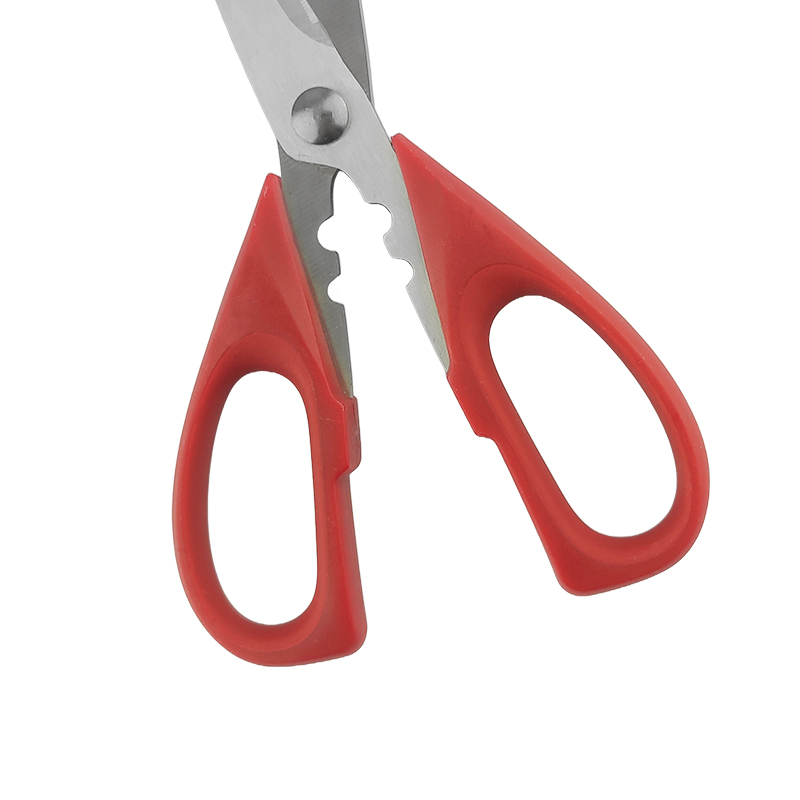
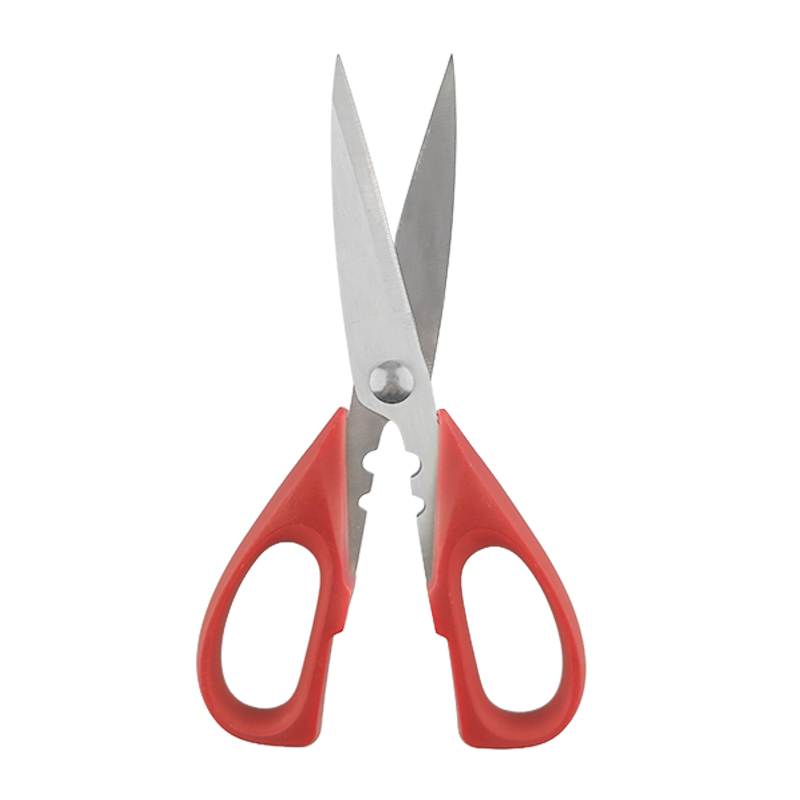
The original product description highlights kitchen scissors with high-grade stainless steel blades, a serrated edge, non-slip handles, an integrated bottle opener and nutcracker, suitability for left- and right-handed users, and dishwasher-safe cleaning. Those are useful starting points, but B2B buyers should still verify the exact specifications before placing an OEM or wholesale order. For example, if a supplier describes a blade as stainless steel, ask for the exact steel grade, hardness range, surface finish, and whether the material claim is documented.
Key Takeaways
- OEM kitchen scissors should be evaluated as a functional cutting tool, not only as a low-cost accessory.
- Confirm blade material, edge design, handle construction, cleaning instructions, and packaging before production.
- Multifunction features such as a bottle opener or nutcracker can be useful, but they should not weaken cutting comfort or safety.
- For private-label sourcing, ask suppliers clear questions about customization options, samples, inspection standards, and replacement policy.
- A Yangjiang scissors manufacturer or kitchen scissors supplier may offer strong category experience, but buyers should verify each order specification in writing.
What OEM Kitchen Scissors Are Used For
Kitchen scissors, also called kitchen shears, are used for everyday food preparation and packaging tasks. In a home kitchen, users may cut herbs, trim meat, open food bags, portion poultry, cut pizza slices, or remove product packaging. In a retail environment, the product is often sold as a practical kitchen accessory for general household use.
For B2B sourcing, the purpose of the scissors should guide the design. A general-purpose retail product may prioritize comfortable handles, easy cleaning, and attractive packaging. A food-service-oriented product may need stronger blades, a more practical grip, and clear care instructions. A promotional product may focus on branding area and gift-box presentation, but it still needs to cut reliably. OEM buyers should define the intended user before discussing price, because different users may expect different blade thickness, handle size, and packaging level.
Blade Design and Cutting Performance
The original article states that the scissors use high-grade stainless steel blades and include a serrated edge. Stainless steel is widely used in kitchen tools because it can offer corrosion resistance and a clean appearance, but the phrase “high-grade” should be clarified during sourcing. Ask the supplier to identify the steel grade and explain how the blade is sharpened, polished, and protected during packing and shipping.
A serrated edge can help grip slippery foods and reduce sliding during cutting. This can be helpful when trimming meat, cutting herbs, or slicing through tougher packaging. However, serration should be consistent and well-finished. Poorly made serrations may tear instead of cut or may be difficult to clean. Buyers should test samples on realistic materials, not only on paper. A practical sample test may include food bags, herbs, thin cardboard packaging, cooked poultry skin, and flexible plastic packaging.
Also consider whether the blades can be separated for cleaning. The source text does not state that these scissors are detachable, so buyers should not assume that feature is included. If separable blades are required for your market or consumer preference, confirm it with the supplier and request photos, drawings, or samples.
Handle Comfort, Grip, and User Fit
The original description mentions non-slip handles and suitability for both left- and right-handed users. These are important selling points, but they should be checked physically. A handle that looks comfortable in photos may feel tight, unbalanced, or slippery when used with wet hands. For wholesale or private-label orders, sample testing by several users is useful because hand sizes and grip styles vary.
When reviewing handle design, pay attention to the finger openings, edge smoothness, material feel, and balance between the blade and handle. Non-slip performance should be assessed under normal kitchen conditions, including when hands are slightly wet or oily. If the handle uses a soft-touch insert or textured grip, ask whether the material color, hardness, and finish can remain consistent across production batches.
For left- and right-handed use, buyers should confirm whether the handle shape is symmetrical and whether cutting comfort is similar for both groups. Some scissors are technically usable by either hand but still feel better in one direction. That difference may matter if the product is positioned for broad household use.
Multifunction Features: Useful or Overcomplicated?
The source article notes two extra functions: an integrated bottle opener and nutcracker. Multifunction features can help kitchen scissors stand out on a retail shelf, especially when the product is part of a kitchen gadget range. They can also reduce the need for separate small tools in a drawer.
However, buyers should evaluate whether each feature works well and whether it affects the main cutting function. A bottle opener should be positioned where it is easy to use without creating uncomfortable pressure points during cutting. A nutcracker section should have enough grip and strength for intended use, while remaining easy to clean. If the product is sold internationally, make sure packaging and instructions describe these features clearly and accurately.
Do not add too many feature claims unless they are supported by the actual product. For example, if a listing claims the scissors can scale fish, crack bones, open jars, or separate for cleaning, those claims should be verified with the supplier and tested on samples. Overclaiming can lead to customer complaints even when the basic scissors are acceptable.
Comparison Checklist for OEM Buyers
The table below can help importers, distributors, and private-label brands compare samples from different suppliers. It is not a certification standard; it is a practical checklist for sourcing conversations and internal evaluation.
| Evaluation Area | What to Check | Questions to Ask the Supplier |
|---|---|---|
| Blade material | Stainless steel description, finish, thickness, sharpness, corrosion resistance expectations | What is the exact steel grade? Can you provide material documentation for this order? |
| Edge design | Serrated edge consistency, cutting smoothness, ability to grip slippery foods | Is the serration standard or customizable? How is sharpness checked before packing? |
| Handle | Non-slip feel, comfort, finger opening size, left/right hand usability | What handle materials and colors are available for OEM production? |
| Multifunction parts | Bottle opener and nutcracker usability, comfort during normal cutting | Are these features included in the current mold? Can they be modified or removed? |
| Cleaning | Dishwasher-safe claim, gaps where food may remain, drying guidance | What cleaning instructions should be printed on packaging or the user guide? |
| Branding and packaging | Logo area, hang card, blister, color box, barcode, instruction insert | What packaging options are available, and what files do you need from the buyer? |
| Quality inspection | Appearance, blade alignment, opening and closing smoothness, cutting test | What inspection steps are used before shipment, and can buyer inspection be arranged? |
Cleaning, Care, and Consumer Instructions
The original article states that the scissors are dishwasher-safe. That is a helpful convenience feature for consumer-facing kitchenware, but care instructions should still be precise. Dishwashers vary by detergent strength, water temperature, and drying cycle. Even stainless steel kitchen tools can develop spots or discoloration if left wet or exposed to harsh conditions for long periods.
For consumer packaging, keep instructions practical. Recommend rinsing after cutting salty, acidic, or greasy foods. Suggest drying the scissors after washing, especially around joints and multifunction sections. If the product is not designed to separate into two pieces, remind users to open the blades carefully during cleaning to remove trapped food particles. If it is dishwasher-safe, state that clearly, but avoid unsupported claims such as “rust-proof forever” unless validated by the supplier and appropriate testing.
For B2B buyers, the care label is part of the product experience. Clear cleaning guidance can reduce avoidable complaints and returns. Before finalizing packaging, ask the supplier for recommended care wording that matches the exact product construction.
OEM Customization and Private-Label Planning
OEM kitchen scissors are often purchased for private-label programs, retailer assortments, promotional gift sets, or kitchen tool bundles. Customization may involve handle color, logo placement, packaging design, instruction sheets, barcode labels, or carton marks. The source article does not provide Bonet-specific MOQ, production capacity, lead time, pricing, or certification information, so buyers should request those details directly and confirm them in the purchase agreement.
When discussing OEM options with a kitchen scissors supplier, prepare a simple specification sheet. Include intended market, target retail price, preferred handle color, packaging type, logo method, order quantity estimate, inspection requirements, and shipping carton needs. If you already have compliance requirements for your market, share them early. Do not assume that a general kitchenware product automatically meets every destination-market requirement.
Useful questions include:
- What exact blade and handle materials will be used for this order?
- Can you provide pre-production samples with final logo and packaging?
- What are the available packaging formats for retail and e-commerce?
- How is blade sharpness or cutting performance checked during production?
- What visual defects are considered acceptable or unacceptable?
- Can product photos, instruction wording, and carton labels be approved before mass production?
How to Evaluate a Yangjiang Scissors Manufacturer or Supplier
The original article refers to a Yangjiang scissors manufacturer. Yangjiang is widely associated with knife and scissors production, but location alone should not be the basis for supplier selection. A qualified supplier should communicate clearly, provide consistent samples, explain materials accurately, and support reasonable inspection steps.
Start with sample comparison. Order or request samples that match your intended production version, not only a showroom item. Test cutting performance, handle comfort, surface finish, joint smoothness, cleaning convenience, and packaging durability. Then compare the sample to the supplier’s written specification. If there are differences, resolve them before confirming an order.
Next, clarify commercial terms. Ask about MOQ, lead time, payment terms, packaging costs, logo setup costs, sample fees, replacement policy, and shipment arrangements. These details are not provided in the original article, and they should not be guessed. Good sourcing depends on written confirmation, not assumptions.
Practical FAQ
What should buyers confirm before ordering OEM kitchen scissors?
Confirm the exact blade material, handle material, edge type, multifunction features, cleaning instructions, packaging format, logo method, MOQ, lead time, and inspection process. Request samples that match the final production plan.
Are serrated kitchen scissors better than straight-edge scissors?
Serrated edges can help grip slippery foods and packaging, while straight edges may feel smoother on some materials. The better choice depends on the intended use. For general kitchen tasks, a well-made serrated section can be practical.
Can kitchen scissors be dishwasher-safe?
The source product description states dishwasher-safe cleaning. Buyers should still confirm the final care instructions with the supplier and recommend drying after washing to reduce water spots and residue around joints.
What OEM features can usually be customized?
Common customization areas may include handle color, logo, packaging, instructions, barcode labels, and carton marks. Exact options depend on the supplier’s existing molds, materials, and order requirements, so they should be confirmed before quoting.
How can importers avoid quality problems?
Use a written specification sheet, approve pre-production samples, define inspection criteria, test cutting performance, and confirm packaging before shipment. Avoid relying only on product photos or broad descriptions such as “premium” or “high quality.”
Final Thoughts
OEM kitchen scissors can be a practical addition to a kitchenware line when the product is specified clearly and tested realistically. The highlighted features in the source article—stainless steel blades, serrated cutting edge, non-slip handles, bottle opener, nutcracker, left- and right-hand usability, and dishwasher-safe cleaning—are all relevant to buyers. The next step is verification: ask detailed supplier questions, compare samples, and document the final standard before production. That approach helps turn a simple kitchen tool into a reliable wholesale or private-label product.
